

Brighton Gay Men's Chorus turns back the clock for Pride show celebrating 300 years of queer history


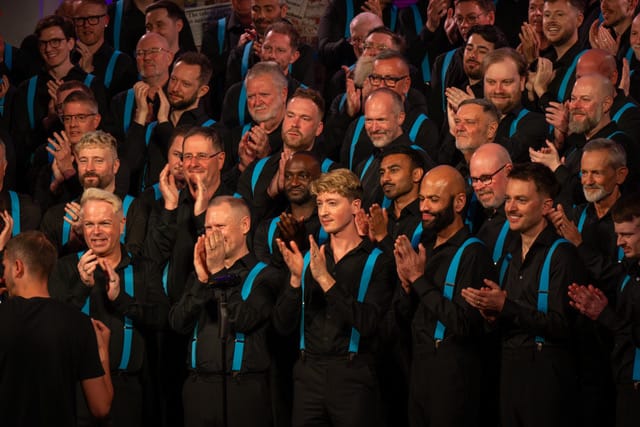
Brighton Gay Men's Chorus (BGMC) is set to transport audiences back to Georgian England this Pride season with a new show celebrating the resilience, joy and hidden history of queer lives.
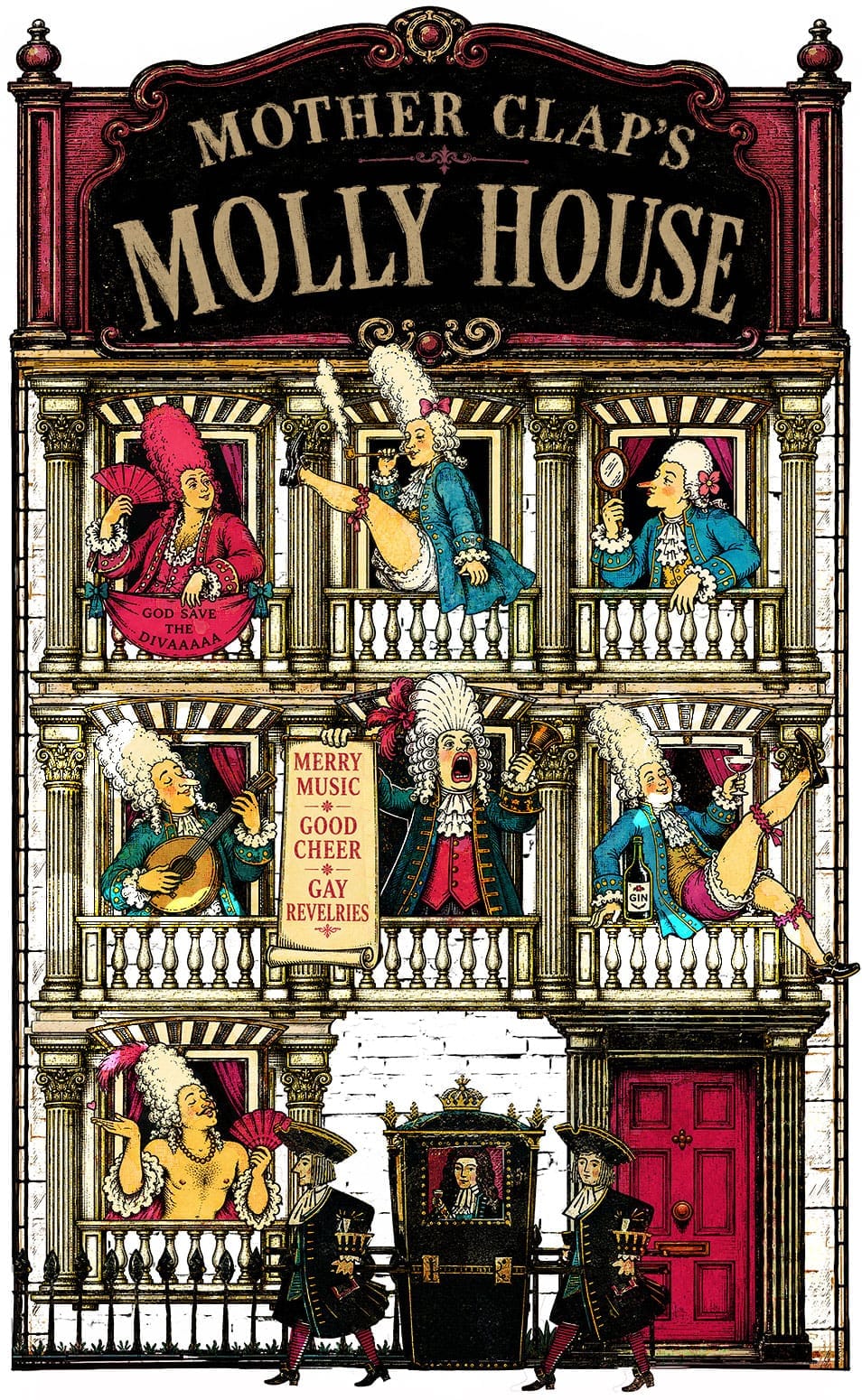
The award-winning choir's latest production, Mother Clap's Molly House, will take to the stage at St George's Church in Kemptown on 24 & 25 July, marking 300 years since the infamous raid on one of London's best-known meeting places for gay men.
Blending music, storytelling and plenty of glitter, the show tells the story of Mother Clap's molly house - a secret gathering place where gay men in the early 18th century could meet, socialise and find community at a time when same-sex relationships were criminalised.
BGMC Chair John McPherson said the production aims to shine a light on a chapter of LGBTQ+ history that is often overlooked.
"This year marks the 300th anniversary of the raid on Mother Clap's molly house, which saw many of its patrons arrested, tried and even put to death for sodomy," he said.
"While not shying away from that, our new show is joyful and celebratory, reminding audiences that queer people have always existed, and that the freedoms enjoyed now are built not just on the work of the Stonewall generation, but on centuries of resistance and persistence.
"It's a story with a serious history - but we're telling it with warmth, wit and no shortage of glitter."
The production comes as Brighton prepares for another busy Pride season, with thousands expected to descend on the city for one of the UK's largest LGBTQ+ celebrations. While Pride is often associated with colourful parades and headline performances, organisers and community groups continue to emphasise its roots in protest, visibility and the ongoing fight for equality.
Against that backdrop, Mother Clap's Molly House explores the experiences of LGBTQ+ people long before the modern rights movement emerged, highlighting the dangers faced by queer communities in Georgian Britain while celebrating their determination to find joy and connection.
Audiences can expect a soundtrack packed with familiar favourites and unexpected musical choices as the choir brings the hidden world of the molly house to life.
Artistic Director Joe Paxton said the show combines the Chorus's trademark entertainment with an important historical story. "I'm always thrilled by the audience reaction to our shows, and Mother Clap's promises to be even more special," he said.
"Of course we'll be bringing our trademark variety of camp hits and heart-touching melodies, but this month we're also really excited to bring the true story of Mother Clap and her rag-tag group of 18th-century gay men to the audiences of Brighton."
The announcement caps a busy and successful period for the Chorus. Earlier this year, BGMC sold out its Heroes show during Brighton Fringe and recently returned from Brussels, where members performed at Various Voices, the international LGBTQ+ choral festival.
The choir is also preparing to welcome the festival to Brighton in 2030 as co-hosts, further cementing the city's reputation as a major centre for LGBTQ+ culture and community.
Founded more than two decades ago, Brighton Gay Men's Chorus has grown into one of Europe's largest LGBTQ+ choirs, with around 150 members. Known for its ambitious arrangements, powerful harmonies and crowd-pleasing repertoire, the group has become a fixture of Brighton's cultural and Pride calendar.
From contemporary pop and musical theatre favourites to classic disco and anthems by artists such as David Bowie, Queen and ABBA, the Chorus has built a reputation for delivering high-energy performances alongside more emotional moments.
With Mother Clap's Molly House, however, the choir hopes to offer audiences something more than entertainment.
By telling the story of a community forced underground three centuries ago, BGMC hopes to remind audiences that LGBTQ+ people have always existed - and that today's freedoms were hard won by generations who came before.
Scene was founded in Brighton in 1993, at a time when news stories about Pride protests were considered radical.
Since then, Scene has remained proudly independent, building a platform for queer voices. Every subscription helps us to report on the stories that matter to LGBTQ+ people across the UK and beyond.
Your support funds our journalists and contributes to Pride Community Foundation’s grant-making and policy work.


Member discussion