

REVIEW: Toomorrow (1970)
Banned from general release by its own director over unpaid wages and mothballed for over four decades. Its finally surfacing on BFI Blu-ray. A long lost camp classic that deserves its moment in the spotlight.


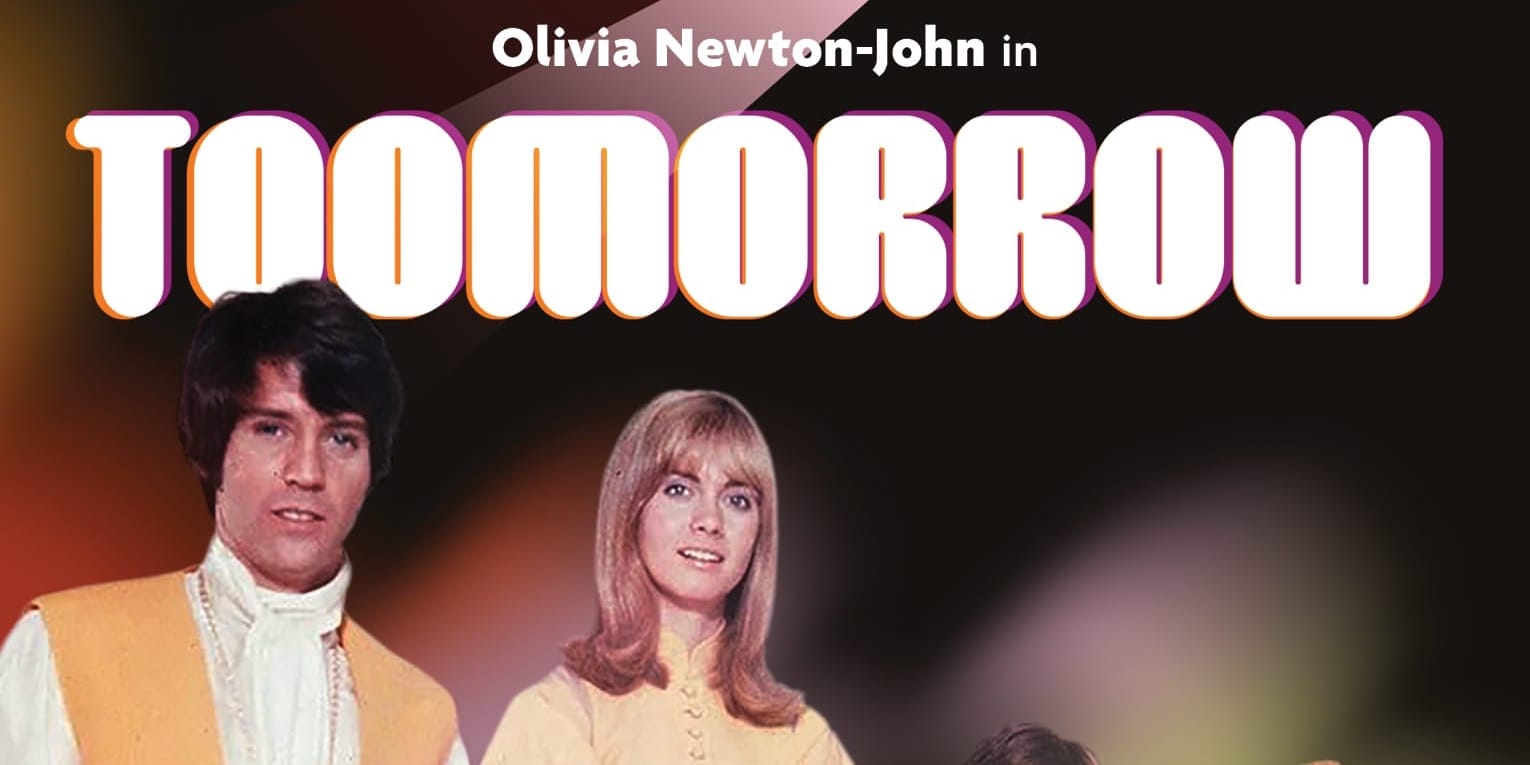
Hello cinema lovers. Some films get rediscovered because they're brilliant. Some get rediscovered because they're a court injunction away from never being seen at all. Toomorrow is the second kind. Banned from general release by its own director over unpaid wages and mothballed for over four decades. It's finally surfacing on BFI Blu-ray. A long-lost camp classic that deserves its moment in the spotlight.
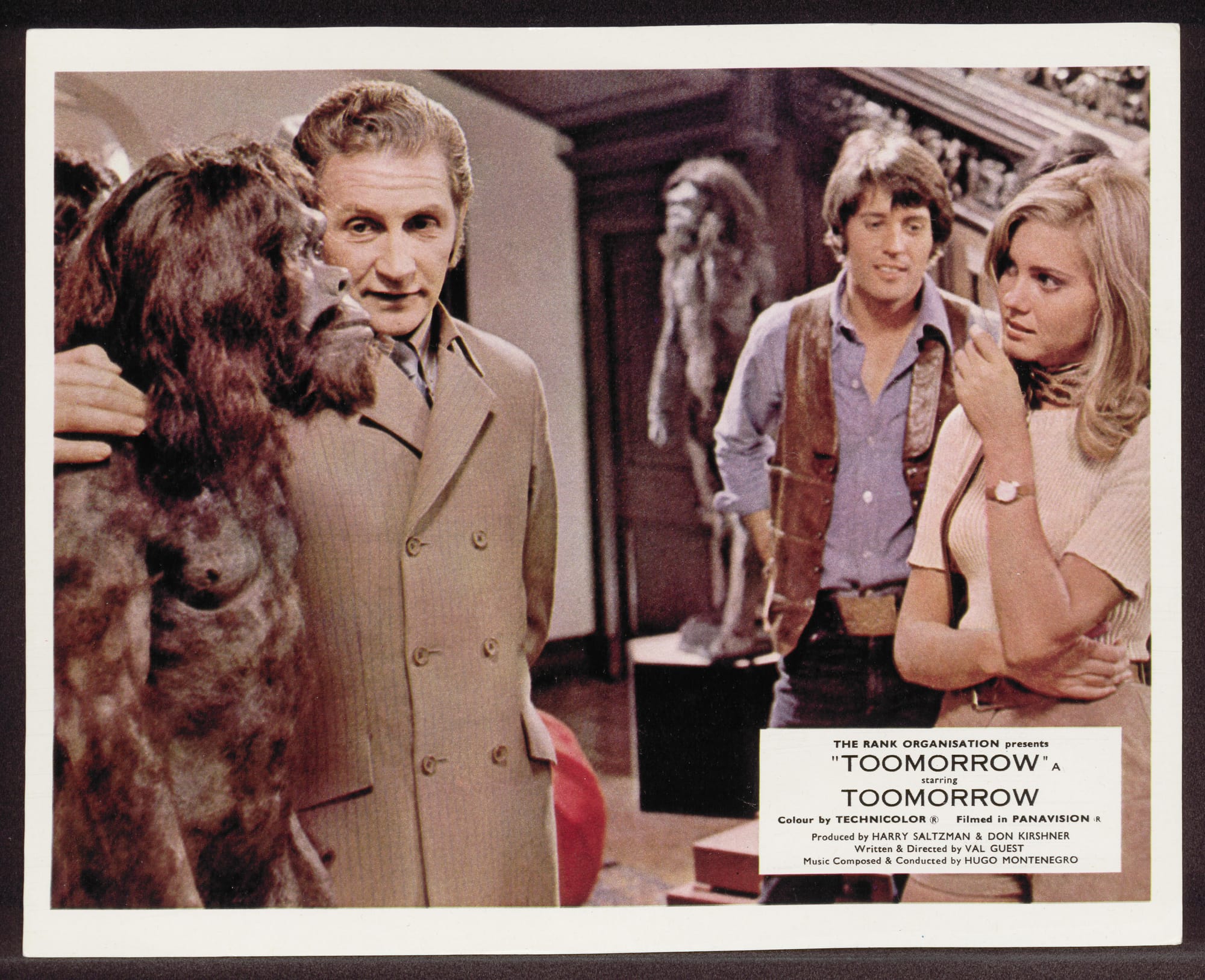
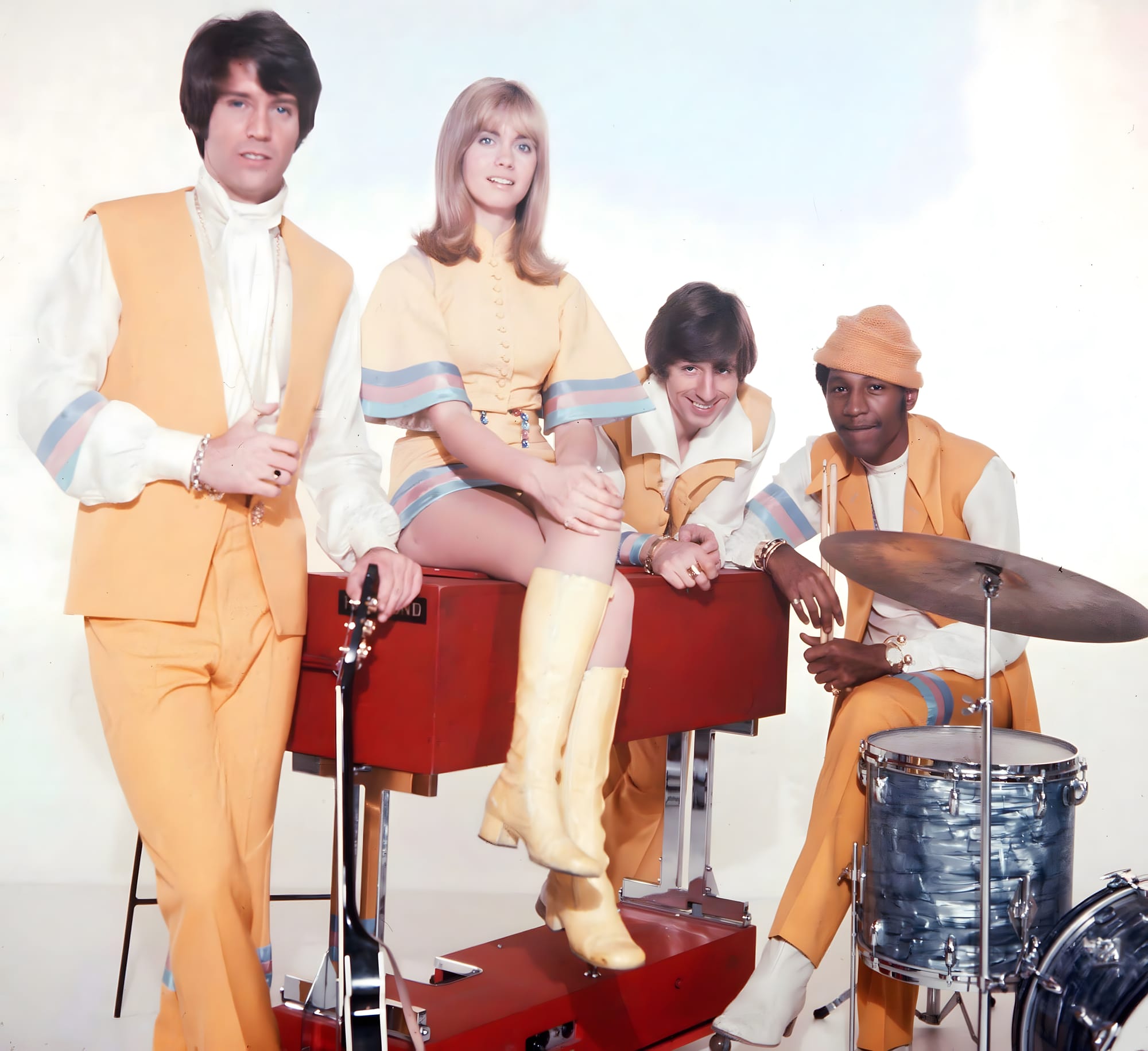
The plot is deliberately pretty thin. An alien named John Williams (Roy Dotrice) has lived on Earth disguised as a human for three thousand years. His superiors at Galactic Control detect a strange vibration. It's coming from a pop band. Future Gay Icon Olivia Newton-John, then twenty-two years old and all teeth and legs, fronts a college band called Toomorrow. Her bandmates are Benny Thomas, Vic Cooper, and Karl Chambers, a bunch of very cute boys in a sort of 1970s way. Williams kidnaps them. They play a gig in outer space. They come home. Olivia wakes up wondering if it was a dream. Director Val Guest also made The Quatermass Xperiment. This is not that film.
Newton-John carries the picture. She's not yet the screen presence she'd become in Grease and Xanadu, but the ingredients are already in place. She has warmth, an easy comic touch and the sense that the camera loves her more than the script deserves. The rest of the cast is serviceable. Dotrice plays the alien with a dry, urbane charm that's the closest thing the film has to a nodding wink.
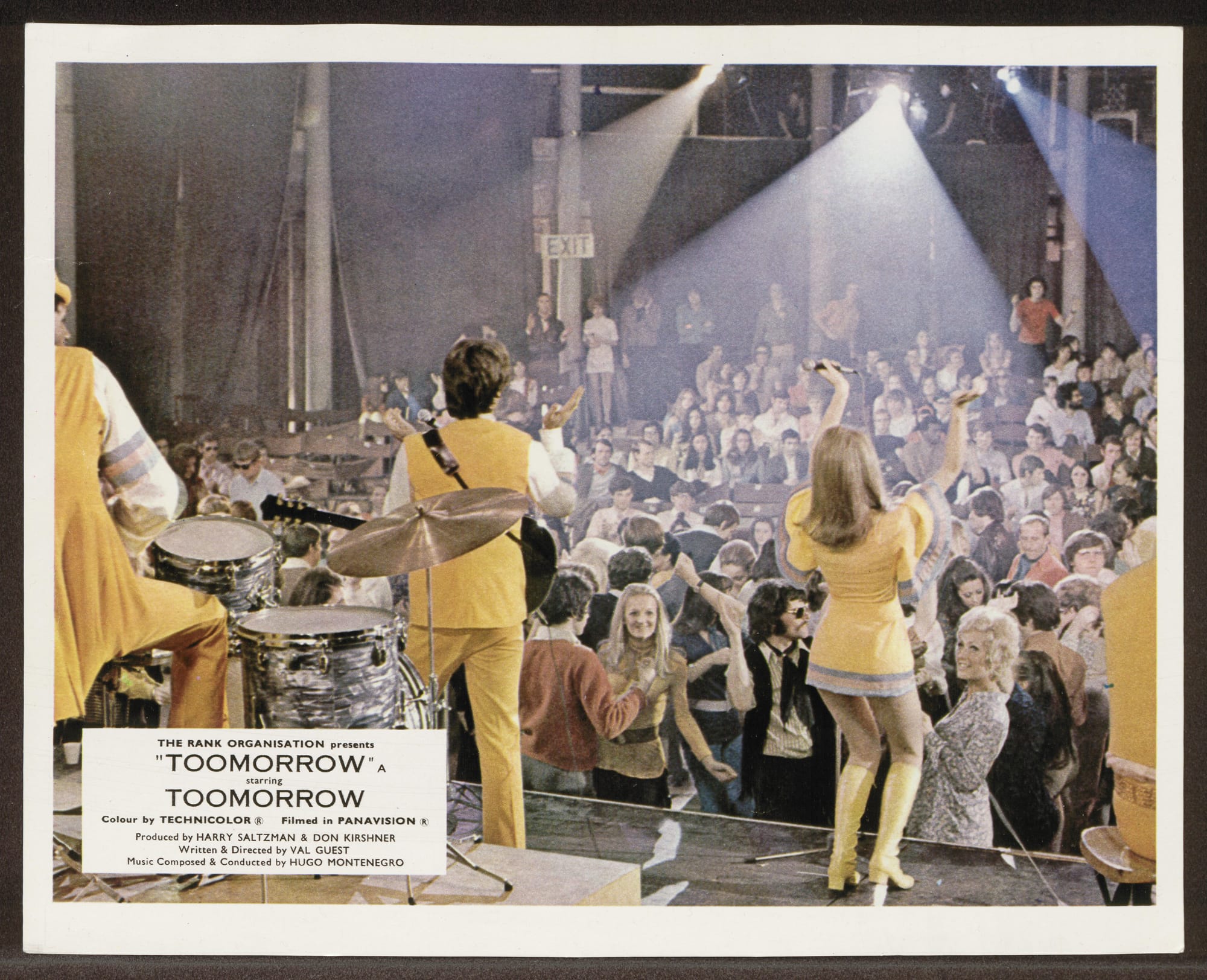
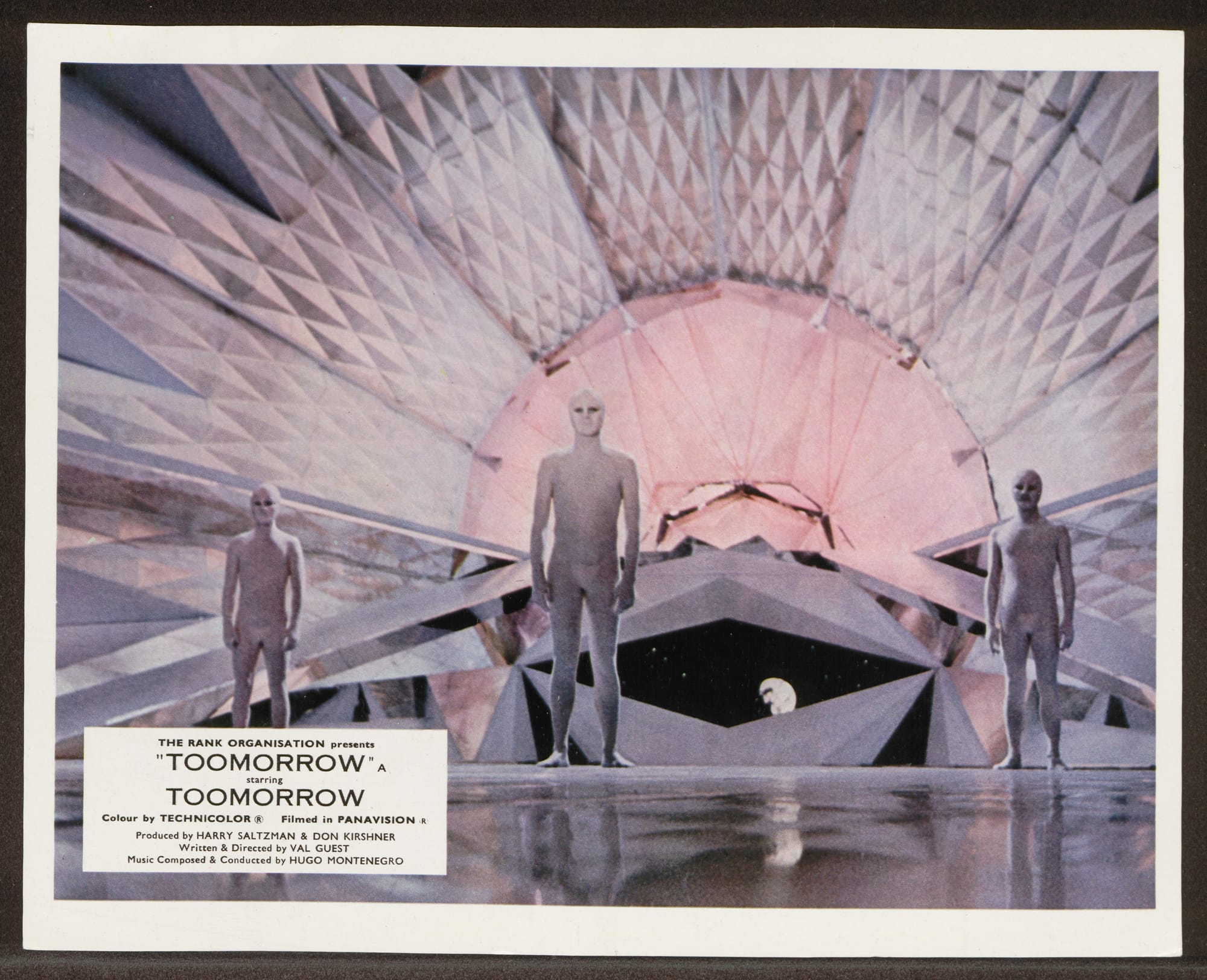
There's real money on screen here when it comes to its special effects, and it's where the project earns major brownie points. The spaceship interior scenes are stunning. The production's effects work holds up far better than the story around it, and the BFI's restoration is totally gorgeous. Lots of saturated colours fill the screen. I'm reminded of movies such as Logan's Run and Superman that came along several years later. The Roundhouse festival sequence, shot at the genuine Camden venue, is a wonderful time capsule and a real treat to see on screen.
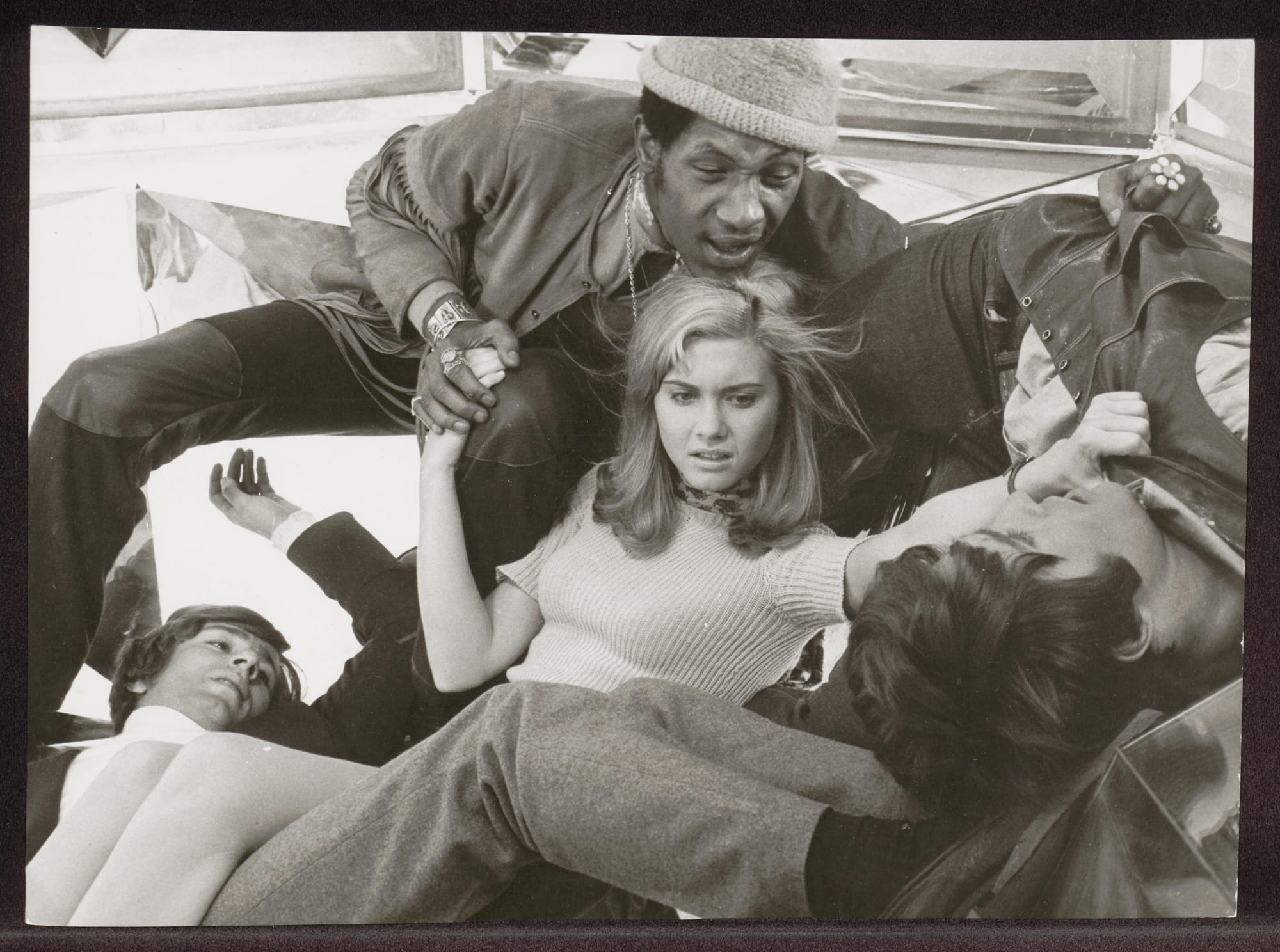
Now. Queerness. There isn't any, not really. No queer characters, no coded romances. What the film does have is camp. Real camp, the unadulterated kind, which is always more interesting than the deliberate sort. Glittering jumpsuits. A space-trap built with a bonkers, disco-like fortress-of-solitude sensibility. An alien woman plunged into a head-turning green dress is sent to seduce a band member in a sequence that tips into a sex farce. None of this was made with a queer audience in mind. All of it should be claimed by one anyway, the way Barbarella has been. That's not representation. It's reception and intent. Queer viewers know the difference, and this camp romp should be welcomed with open arms.
There's also a quieter plot point if you care to notice it. An alien who has spent three thousand years passing as human, hiding what he is from everyone around him, performing an identity that isn't his. Unintentionally, this character may resonate with gay men of a certain age, and his interest in the cute boys in the band does suggest a possible sexuality. It's a characterisation that is not implicit, and it may be completely accidental, but it's there on screen to be observed
So, is it good? Yes and no. Is it worth fifty years in the wilderness and a careful restoration? I would argue yes. It's a likeable curiosity of a movie. Generous with its budget and its silliness, and Newton-John is genuinely worth watching as always. Camp value is high. plot and substance are an absolute minimum. Go in knowing which one you're getting, a possible future cult classic to be enjoyed with a bunch of pals and a cocktail. Recommended camp splendour.
Recommended
Toomorrow is out now on BFI Blu-ray.
Scene was founded in Brighton in 1993, at a time when news stories about Pride protests were considered radical.
Since then, Scene has remained proudly independent, building a platform for queer voices. Every subscription helps us to report on the stories that matter to LGBTQ+ people across the UK and beyond.
Your support funds our journalists and contributes to Pride Community Foundation’s grant-making and policy work.


Member discussion