



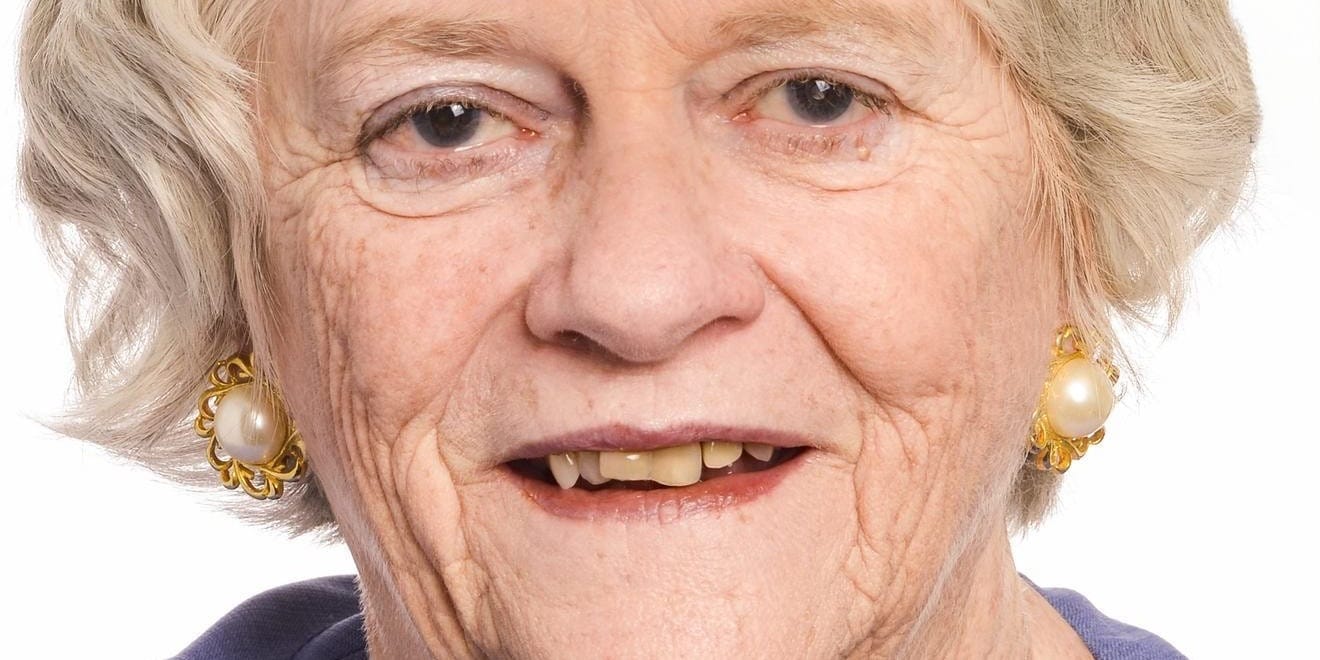
Former Conservative MP and Reform UK figure Ann Widdecombe has died aged 78, bringing to a close one of the most controversial careers in modern British politics. Widdecombe, who served as a Tory MP for 23 years before later joining the Brexit Party and Reform UK, was known for her uncompromising social conservatism, outspoken Catholic faith and enduring opposition to LGBTQ+ equality.
The ex-Tory minister is believed to have been attacked at her remote bungalow in Haytor, on Dartmoor, at around 12.30pm on Wednesday.
But the alarm was not raised until 11.40am the next day when her gardener discovered the former MP and MEP in a pool of blood with serious injuries in the kitchen of her home.
While political allies have remembered her as a prominent Eurosceptic and Brexit campaigner, many LGBTQ+ people will view her legacy through a different lens. For decades, Widdecombe was among the most recognisable public opponents of expanding LGBTQ+ rights in Britain, frequently using her media profile to challenge legal and social progress for queer communities.
Widdecombe's opposition to LGBTQ+ equality stretched across some of the defining battles of modern British social history. During her parliamentary career, she defended Section 28, the controversial law that prohibited local authorities from "promoting homosexuality", and was a vocal critic of attempts to expand legal recognition and protections for LGBTQ+ people. She opposed moves towards greater equality for same-sex couples and remained critical of marriage equality long after it became law.
As Britain moved from the era of Section 28 to one in which same-sex marriage was celebrated and LGBTQ+ representation became part of mainstream public life, Widdecombe remained one of the most prominent political voices arguing against that change. For many LGBTQ+ people, her career came to symbolise not simply a difference of opinion, but organised resistance to rights that are now widely regarded as fundamental.
One of her most infamous interventions came in 2012, when she suggested that if people could seek counselling to "become gay", they should equally be free to seek help to become heterosexual. The comments sparked outrage from LGBTQ+ organisations and mental health experts, who argued that they lent credibility to so-called conversion practices.
Throughout her parliamentary and post-parliamentary career, she opposed a range of measures aimed at improving equality for LGBTQ+ people. Even as public opinion shifted dramatically and same-sex marriage became legal, Widdecombe remained steadfast in her socially conservative views, arguing that traditional religious values should guide public policy. Her critics said those positions contributed to stigma and exclusion, while supporters praised her willingness to stand by unpopular convictions.
In 2010 she reinvented herself as an unlikely television star on Strictly Come Dancing, where her performances with professional partner Anton Du Beke became a national talking point. Despite consistently low scores from judges, she survived week after week thanks to public support and eventually reached the latter stages of the competition.
After Strictly Come Dancing featured a same-sex routine by professional dancers Johannes Radebe and Graziano Di Prima in 2019, Widdecombe argued that the BBC was "trying to make a political statement". While praising the performance itself, she said she did not believe same-sex pairings should become a regular feature of the programme.
Widdecombe remained unapologetic about her views until the end of her life. For many LGBTQ+ people, those views caused real hurt and represented barriers to equality that had to be overcome.
Scene was founded in Brighton in 1993, at a time when news stories about Pride protests were considered radical.
Since then, Scene has remained proudly independent, building a platform for queer voices. Every subscription helps us to report on the stories that matter to LGBTQ+ people across the UK and beyond.
Your support funds our journalists and contributes to Pride Community Foundation’s grant-making and policy work.




Member discussion