



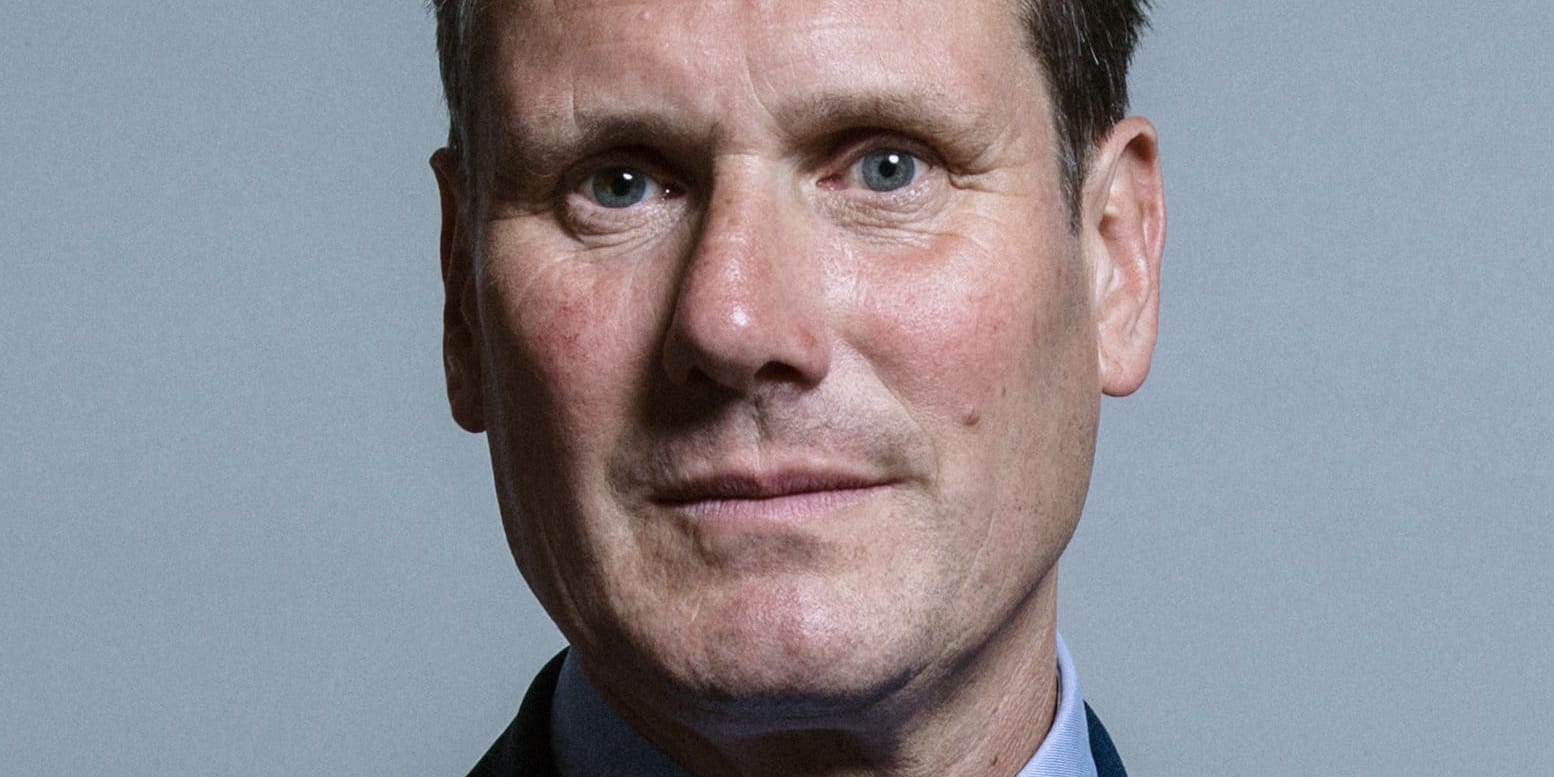
Outgoing prime minister Sir Keir Starmer has insisted his government will “defend” LGBTQ+ rights, as he used a Downing Street Pride reception to highlight policy achievements - but his remarks come at a time of growing scepticism towards Labour among parts of the LGBTQ+ community.
Speaking on Monday, 29 June the Prime Minister struck a defiant tone, seeking to reaffirm his commitment to equality while acknowledging that “a huge amount of work” remains.
“I want to be clear that all lesbians, all gay, all bi and trans people - that this government will defend your rights,” he said. “We have to stand against the politics of division.”
Starmer pointed to what he described as the UK’s global leadership on LGBTQ+ representation, praising Westminster as “the gayest parliament… anywhere in the world” and urging people to “celebrate that”.
Yet for many LGBTQ+ campaigners, such rhetoric sits uneasily alongside ongoing criticism of Labour’s approach to issues such as trans rights and the pace - and scope - of reforms promised in government.
While the Prime Minister highlighted a “full trans-inclusive ban on abusive conversion practices”, campaigners have previously raised concerns about delays and the detail of proposed legislation. Starmer described conversion therapy as “a very sinister idea… trying to suggest that identities aren’t legitimate”, adding that banning such practices was central to tackling abuse.
He also pointed to measures including the HIV Action Plan, which aims to end new transmissions by 2030, and legislative changes to “equalise all existing strands of hate crime and make them aggravated offences”.
However, critics argue that progress has been uneven, and that announcements have not always translated into clear or timely action - a key frustration reflected in declining trust among some LGBTQ+ groups.
In his speech, Starmer also highlighted efforts to address historic injustices faced by LGBTQ+ veterans, recalling how, earlier in his legal career, he was “really, really shocked” by evidence of service personnel being dismissed simply for being gay.
“All of their record… was as nothing compared with the fact that they were gay,” he said. “They were summarily dismissed… notwithstanding whatever they’d done for the country.”
While acknowledging “there’s still bits to do”, he said the government was working to “right that historic wrong”.
On the international stage, Starmer announced £21 million in funding to support LGBTQ+ rights globally and confirmed the appointment of a new UK Special Envoy, arguing that “the fight is a global fight”.
He also used the event to draw a contrast with his predecessors, claiming the UK’s reputation had been damaged and was now being rebuilt. “We are here to restore it,” he said.
But the broader political context remains complex. Labour’s positioning on LGBTQ+ issues — particularly around trans inclusion — has been under scrutiny, and trust has been strained following a series of policy debates and perceived shifts in tone.
Starmer closed his remarks by emphasising that his support for LGBTQ+ rights would continue beyond his time as Prime Minister.
“I will always fight for respect and dignity,” he said. “It didn’t start when I became Prime Minister. It won’t end when I don’t.”
Scene was founded in Brighton in 1993, at a time when news stories about Pride protests were considered radical.
Since then, Scene has remained proudly independent, building a platform for queer voices. Every subscription helps us to report on the stories that matter to LGBTQ+ people across the UK and beyond.
Your support funds our journalists and contributes to Pride Community Foundation’s grant-making and policy work.


Member discussion