




A Labour MP has warned that trans people face "enforced segregation" if controversial new guidance on single-sex services comes into force this week, as campaigners raise concerns about its impact on everyday life.
The Equality and Human Rights Commission's (EHRC) revised Code of Practice for service providers, associations and public bodies is expected to clear parliamentary scrutiny on 9 July, paving the way for ministers to bring it into force.
The guidance follows last year's Supreme Court ruling that the terms "woman" and "sex" in the Equality Act refer to biological sex. It advises service providers not to admit trans people to single-sex spaces that align with their gender identity and warns that organisations could face legal challenges if they do so.
Critics say the guidance could leave many trans people effectively excluded from public life, with some potentially unable to access services that match either their gender identity or their sex assigned at birth.
Labour MP Nadia Whittome, who sits on Parliament's Women and Equalities Committee, has been among the most vocal opponents of the changes. She tabled a motion seeking to block the code, which attracted support from 164 MPs across five political parties.
However, the motion is unlikely to be debated before the parliamentary deadline expires.
"If it is debated and passed within the 40-day scrutiny window, it would prevent the code from coming into force," Whittome told ITV News. "Unfortunately, there is no mechanism by which backbench MPs can force a vote to be held, so one is unlikely to take place."
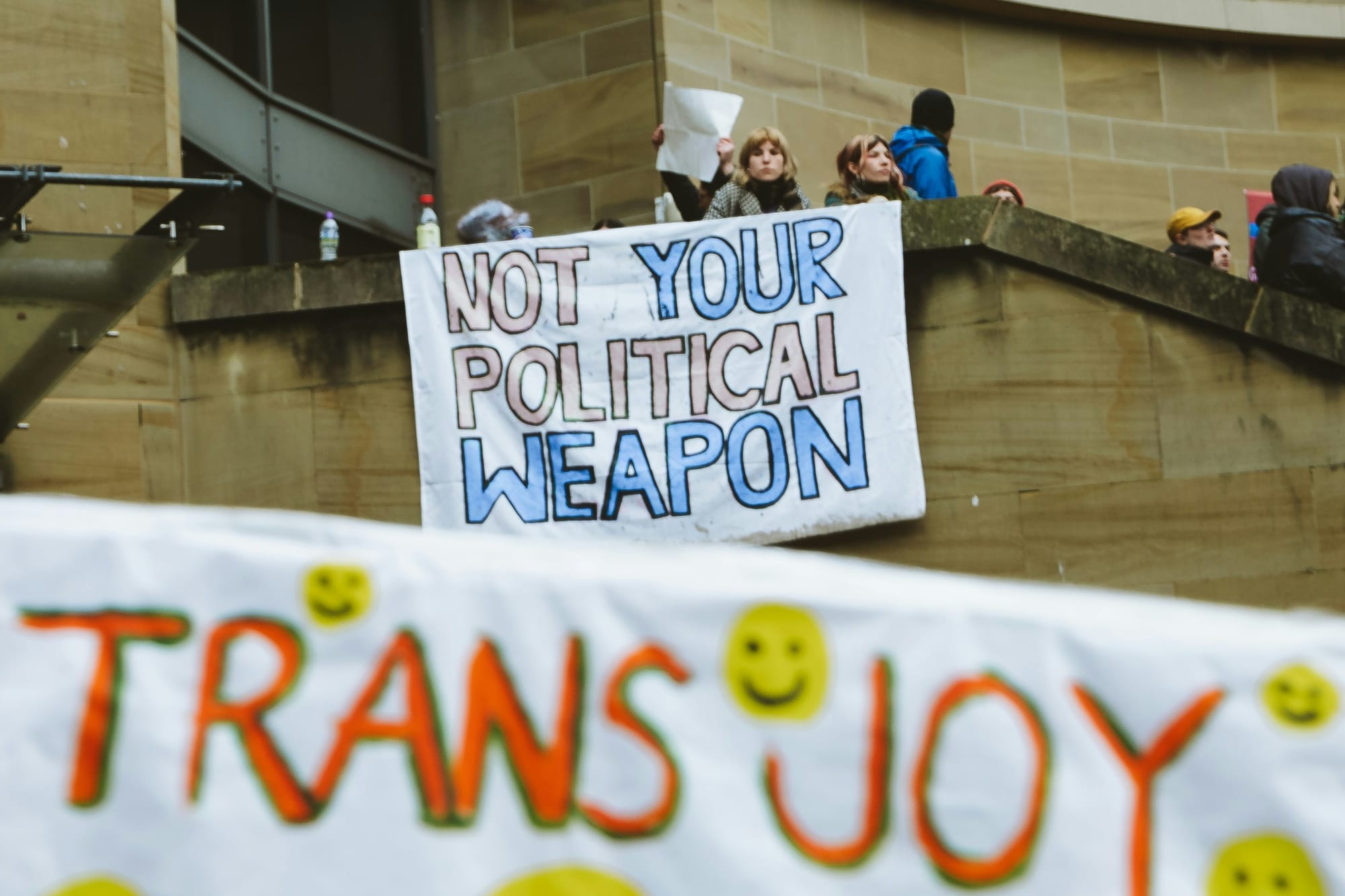
Whittome said the guidance would have serious consequences for trans people. "The code will mean enforced segregation for trans people, with services, businesses and charities expected to exclude them from spaces they have long used," she said.
"I'm worried it also increases the risk of harassment and abuse, particularly for trans women forced into male-only spaces."
She also warned that the guidance could affect people beyond the transgender community.
"The code also suggests trans people's exclusion should be enforced based on physical appearance. That will affect anyone who doesn't conform to gender stereotypes, not just trans people."
LGBTQ+ organisations say the impact is already being felt. Galop, a charity supporting LGBTQ+ victims of abuse and violence, said it had been unable to place any trans women in domestic abuse refuges during 2026 despite receiving more than 240 referrals.
Campaigners argue that the guidance creates uncertainty around access to everyday facilities and services, including toilets, changing rooms, support groups and healthcare settings.
Rachel Taylor, co-chair of the LGBT+ Parliamentary Labour Party, said she feared the changes represented a step backwards for trans rights. "I don't want women to feel unsafe about using single-sex spaces. I absolutely don't," she told ITV News.
"But there has to be proportionality about this, and there also has to be respect for trans people to live their lives as they have done for years. It seems like we're going backwards."
Meanwhile, advocacy groups say growing uncertainty is having a damaging effect on the mental health and wellbeing of trans people.
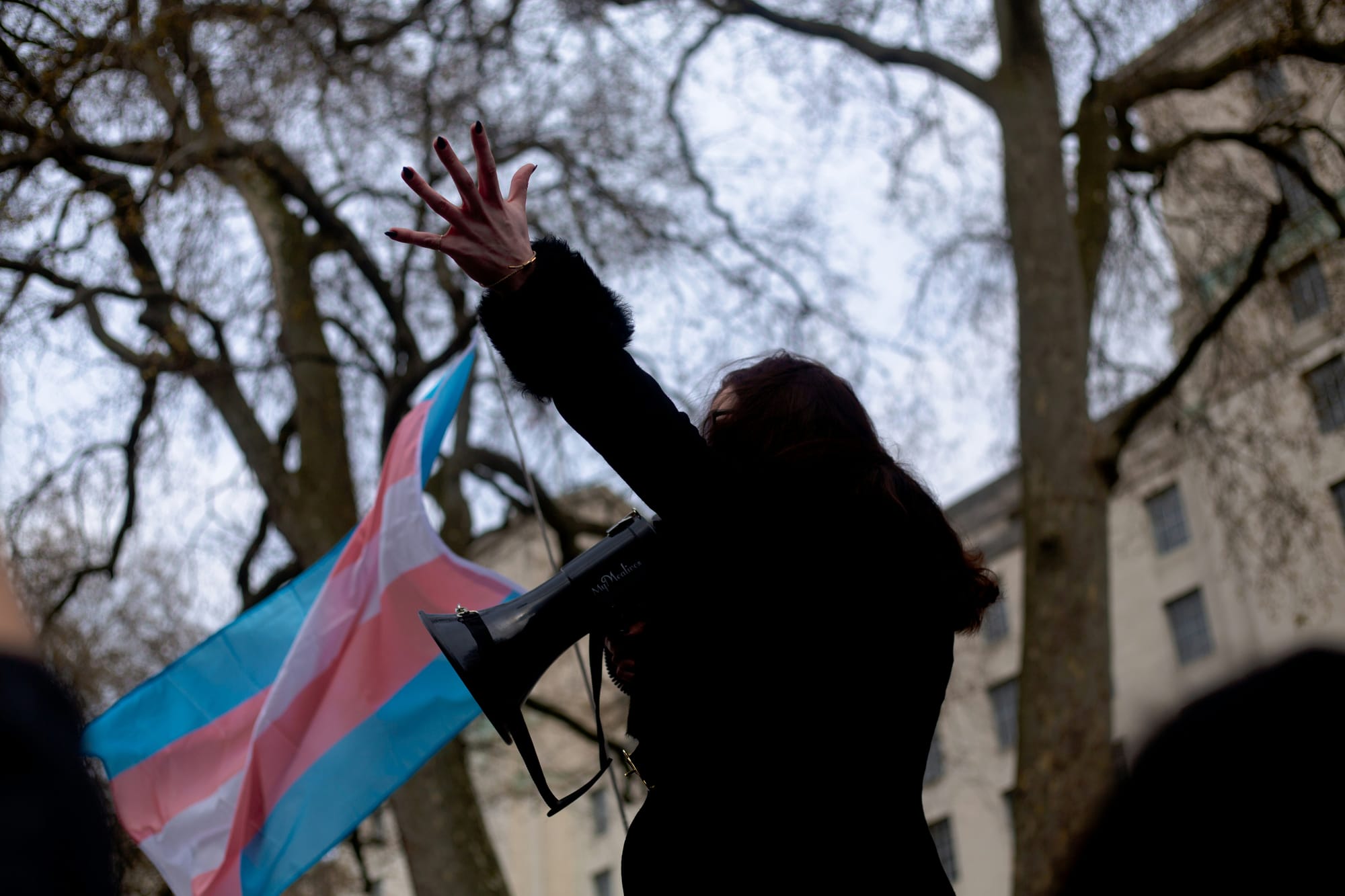
Alfie Bailey-Bearfield, advocacy lead at the Trans+ Solidarity Alliance, said many people now feel "scared and betrayed" and are unsure how to navigate everyday situations.
"If you don't know if you can use a pub toilet without either breaking a policy or being put in danger, or whether you can be admitted to hospital in a safe and dignified way, then so many people will sadly self-exclude to all our detriment," he said.
He urged the government to intervene, warning that failure to clarify the law could lead to years of costly legal disputes.
"The EHRC's guidance is bad but it's also a symptom of a broader problem, that the legal position is now cruel and untenable," he said.
The EHRC has similarly rejected claims that transgender people could be excluded from services altogether.
A spokesperson said: "Trans people cannot be left without access to services, and nobody should face harassment."
The watchdog said the code provides guidance on balancing the rights of different groups and pointed to examples such as the provision of self-contained, lockable facilities that can be used by anyone.
Scene was founded in Brighton in 1993, at a time when news stories about Pride protests were considered radical.
Since then, Scene has remained proudly independent, building a platform for queer voices. Every subscription helps us to report on the stories that matter to LGBTQ+ people across the UK and beyond.
Your support funds our journalists and contributes to Pride Community Foundation’s grant-making and policy work.


Member discussion