



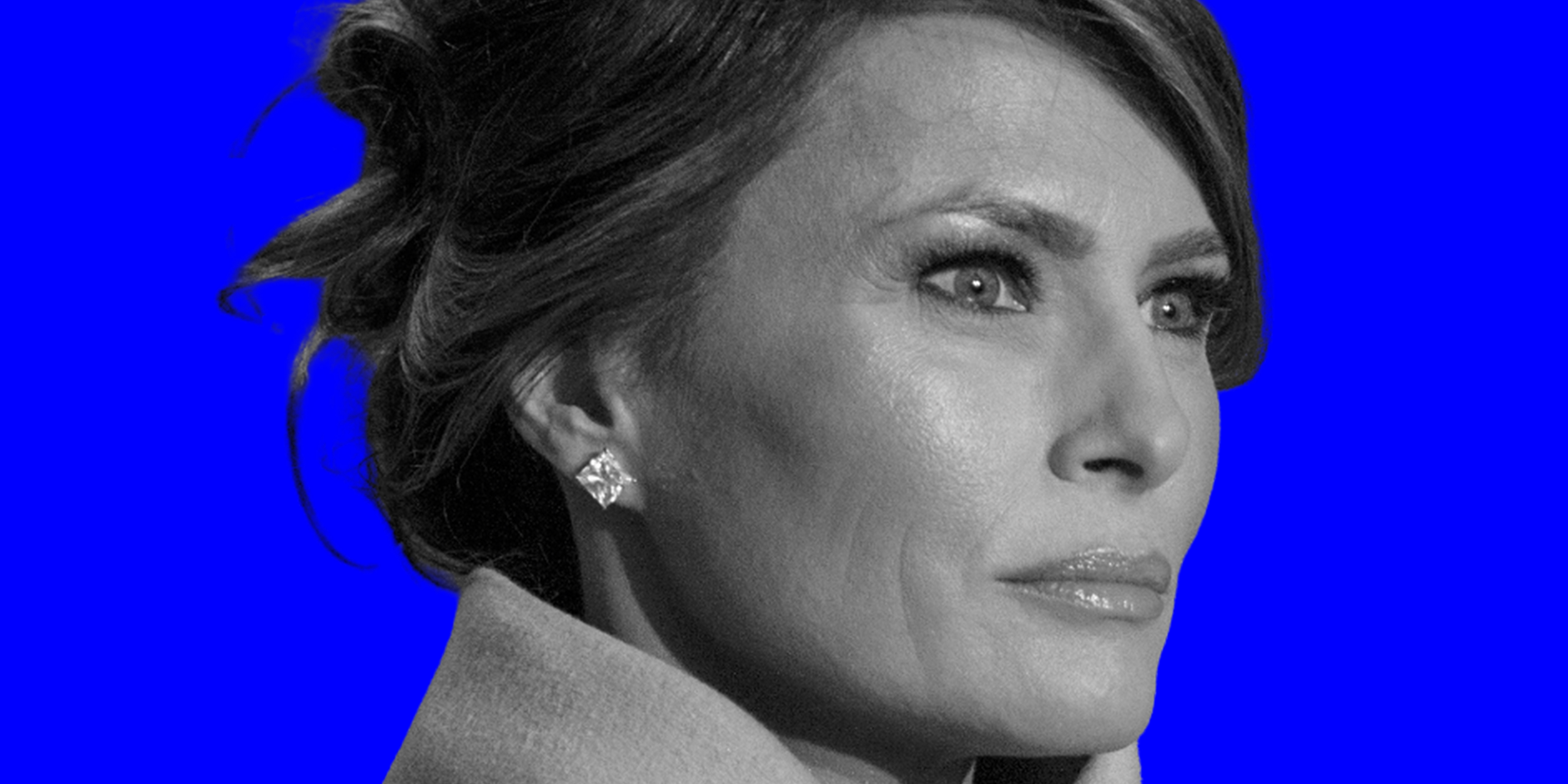
Melania Trump has endorsed restrictions on trans athletes in women’s sport, following a landmark US Supreme Court decision that has drawn strong reaction from civil rights groups.
In a public statement shared on social media, the First Lady said she “fully supports the LGBTQIA+ community” and called for respect and inclusion, even as she backed measures aimed at limiting transgender participation in girls’ and women’s sports.
“America, we can support the rights of the LGBTQIA+ community and also protect opportunities for female athletes,” she wrote. “Respect everyone and keep girls’ sports fair. Both ideals are essential.”
“As many of you may know, I fully support the LGBTQIA+ community. But we must also ensure that our female athletes are protected and respected." - MELANIA, #1 NYT Bestseller, (p. 156)
— MELANIA TRUMP (@MELANIATRUMP) June 30, 2026
The U.S. Supreme Court has now legally confirmed this opinion:
“Under Title IX and the Equal…
Her remarks came hours after the US Supreme Court ruled by a 6–3 majority that individual states may ban trans girls from competing in school sports teams aligned with their gender identity. The decision allows existing restrictions in states including Idaho and West Virginia to remain in place.
The ruling has been widely criticised by LGBTQ+ advocates, who warn it could deepen discrimination against trans young people. Campaigners argue that access to sport is a key part of inclusion, wellbeing and equality for LGBTQ+ communities, particularly for students already facing marginalisation.
Mrs Trump’s attempt to strike a middle ground reflects the increasingly polarised nature of the debate in the United States. While she framed her position as one of balance, emphasising both inclusion and fairness, critics say policies restricting transgender participation risk undermining broader civil rights protections.
The court’s majority opinion, written by Justice Brett Kavanaugh, held that schools may determine eligibility for women’s sport based on biological sex, concluding that such policies are compatible with existing federal law.
However, opponents of the ruling say it sends a damaging message to trans people, particularly young athletes seeking acceptance and equal opportunities. Civil rights groups have warned that similar measures across more than two dozen states could now be further entrenched.
Scene was founded in Brighton in 1993, at a time when news stories about Pride protests were considered radical.
Since then, Scene has remained proudly independent, building a platform for queer voices. Every subscription helps us to report on the stories that matter to LGBTQ+ people across the UK and beyond.
Your support funds our journalists and contributes to Pride Community Foundation’s grant-making and policy work.


Member discussion