



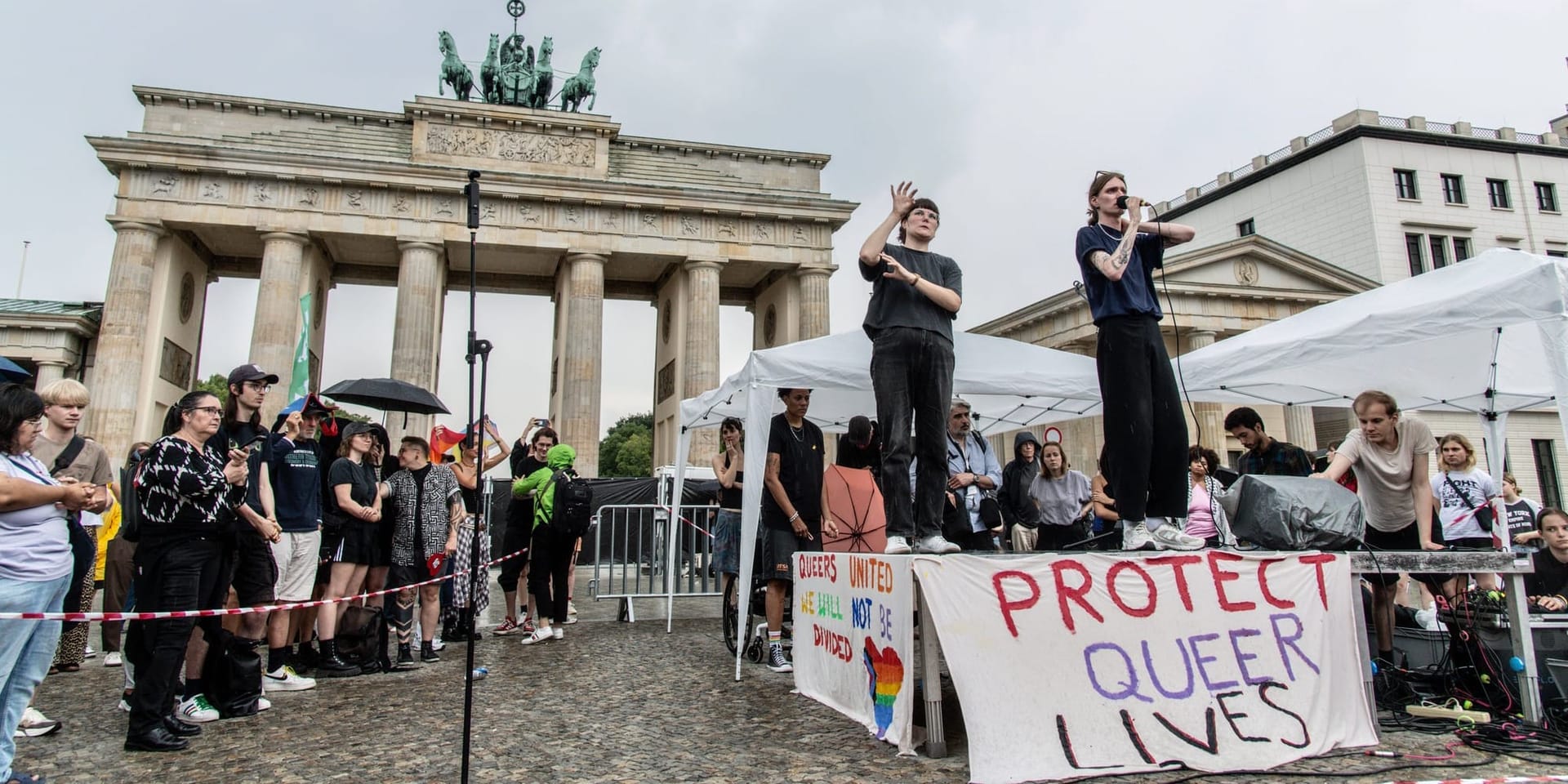
Just hours after tens of thousands of people marched through Berlin for Christopher Street Day, one of Europe's biggest Pride celebrations became the scene of tragedy.
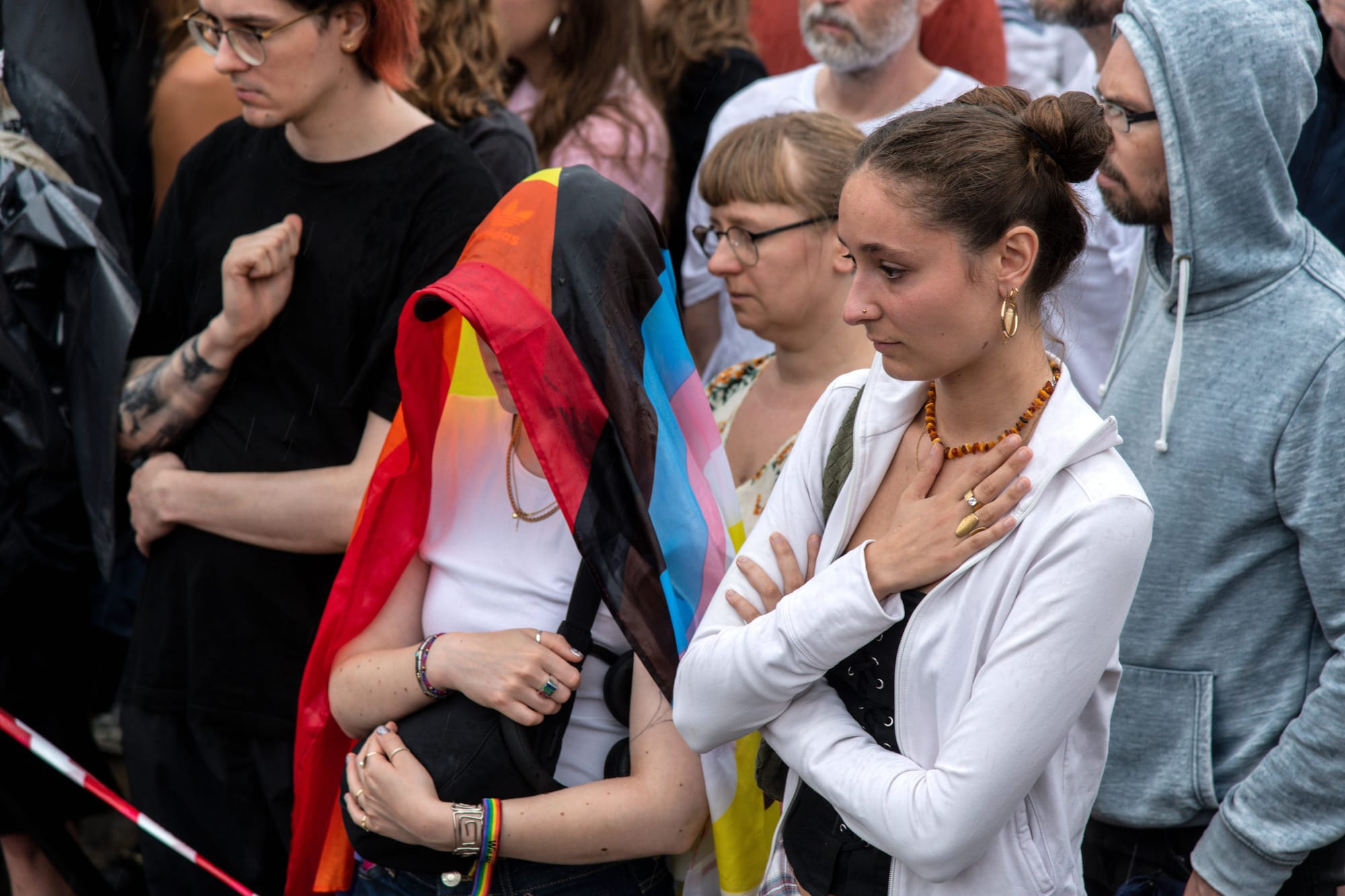
A vehicle was driven into crowds near the Pride festival, killing one person and injuring dozens more. Organisers cancelled planned events, while thousands gathered the following day for a vigil near the Brandenburg Gate. Pride flags flew at half-mast, flowers were laid in tribute, and a celebration of LGBTQ+ visibility became a moment of collective grief.
For those who argue that Pride has outlived its purpose, Berlin provides a devastating answer.
Pride remains necessary because hatred has not disappeared.
The attack struck at an event built around visibility, acceptance and freedom. One Berlin police officer, Ali Darwich, described it as an attack not just on LGBTQ+ people but on the values the city represents: "its diversity, its tolerance and its belief in freedom". Speaking as a gay man, a Muslim and a police officer, he said the incident touched "so many aspects of who I am".
The aftermath revealed something else too: fear. Alfonso Pantisano, Berlin's LGBTQ affairs commissioner, spoke directly to a shaken community in the hours after the attack. "To you, my dear community: I know that many of you are afraid right now. I won't sugarcoat it. I am, too. But you are not alone in this fear, in your grief, and in your anger."
Those words matter because they cut through one of the most persistent myths about Pride. The idea that LGBTQ+ equality has been won. The suggestion that Pride is now simply a colourful annual festival with little political relevance.
If equality were complete, Pride events would not require extensive security operations. If equality were complete, LGBTQ+ people would not continue to experience hate crime, discrimination and abuse. If equality were complete, a community gathering in one of Europe's most liberal cities would not end with mourners laying flowers and lighting candles.
Pride has always existed in the space between celebration and protest.
The roots of the movement lie in resistance to discrimination and violence. The modern Pride march emerged from the Stonewall uprising in New York, when LGBTQ+ people fought back against police harassment and persecution. Berlin's Christopher Street Day itself takes its name from the street where those events took place in 1969.
That history is why Pride cannot simply become a party. The joy matters. The music matters. The rainbow flags matter. But they matter because they exist alongside a demand for dignity and equality. As Amsterdam hosts WorldPride and London Trans+ Pride records its largest-ever turnout, those events are not celebrations despite the challenges facing LGBTQ+ communities. They are celebrations in defiance of them.
Berlin demonstrated that reality in the starkest possible way. Yet the response to the attack was not silence. It was solidarity.
Thousands attended vigils. Community groups continued to organise. Pride supporters gathered in remembrance of those affected. One sign displayed at the vigil captured the mood perfectly: "From grief, to anger to resistance."
Every generation faces a temptation to believe progress is inevitable. History tells a different story. Rights can be challenged. Visibility can provoke backlash. Communities can become targets precisely because they are becoming more visible and more accepted.
That is why Pride remains essential. It tells LGBTQ+ people they are not alone. It reminds governments and institutions that equality requires constant protection. It creates spaces where people can live openly, often for the first time. And when hatred seeks to intimidate communities into retreating, Pride offers a powerful collective response.
The scenes in Berlin this weekend were heartbreaking. But they also demonstrated why Pride endures. Because when fear appears, solidarity becomes more important. When hatred emerges, visibility becomes more powerful. And when a community is attacked, showing up for one another becomes an act of resistance.
Scene was founded in Brighton in 1993, at a time when news stories about Pride protests were considered radical.
Since then, Scene has remained proudly independent, building a platform for queer voices. Every subscription helps us to report on the stories that matter to LGBTQ+ people across the UK and beyond.
Your support funds our journalists and contributes to Pride Community Foundation’s grant-making and policy work.



Member discussion