



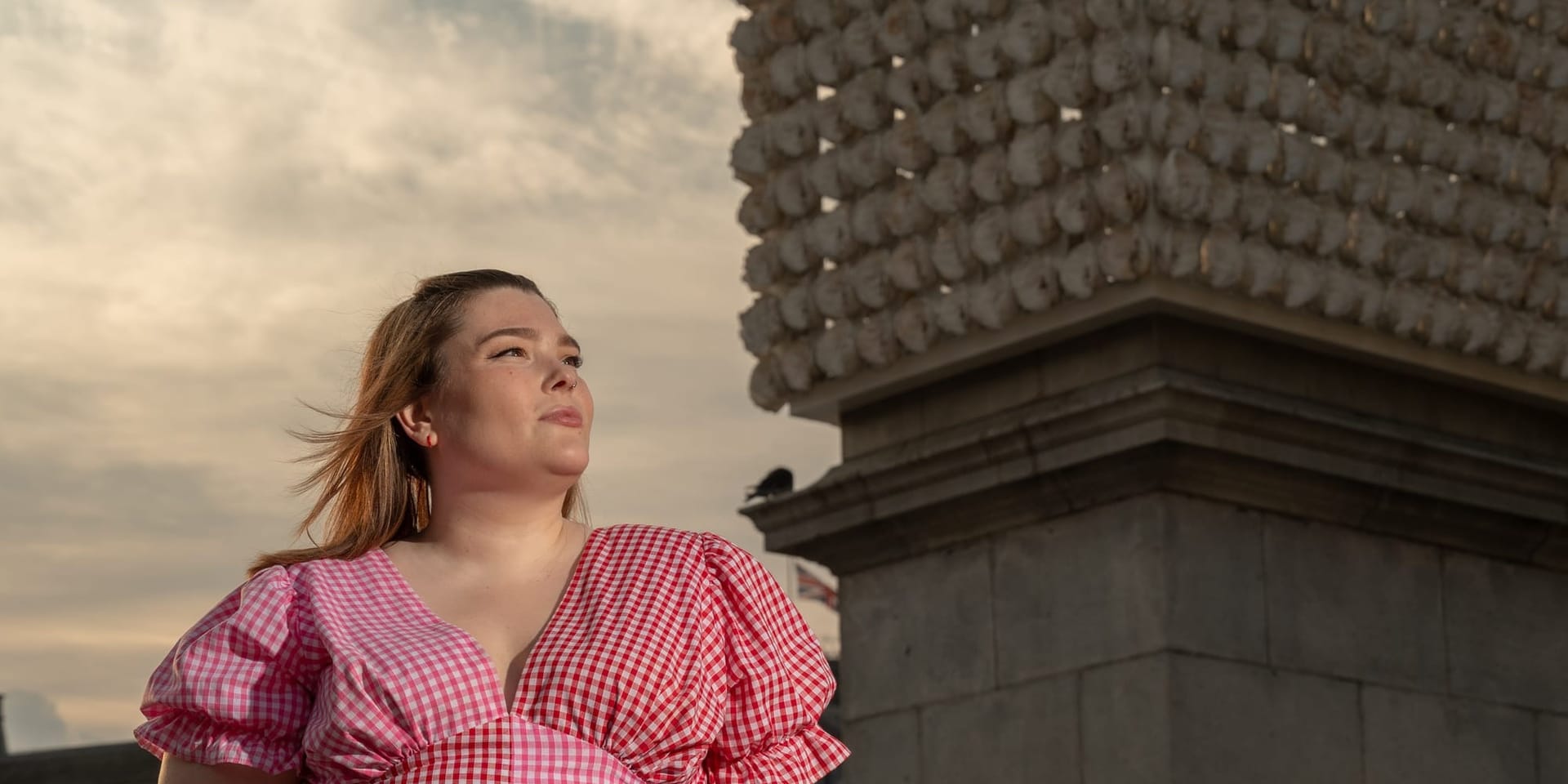
Having my testicles removed was always going to change my relationship with my body. I just didn’t expect getting fat to be one of the best bits.
The post-operative pounds that followed threw everything I thought I knew about beauty, desirability and my own body out of the window, challenging every preconceived notion and socially learned expectation I had along the way. While women are often taught that gaining weight should be met with horror, something unexpected happened to me: I liked myself more.
This National Curves Day, as a self-proclaimed supersized internet transsexual, I’m here to tell you I couldn’t feel more at home in my skin.
Before gaining weight, I was tall and thin. My disordered eating saw my BMI reach new lows. My lack of breast development and sharp jawline felt like constant reminders of my masculinity. My understanding of femininity was rooted in presentation. I was engrossed in the fashion world, developing an armour of polish and heels, conforming to the polished, aspirational version of womanhood it sold me, and the world expected of me.
Then, after my gender-affirming surgery, I gained weight everywhere.
Washing away the sharpness of that harsh polish and ushering in a softness I had never seen. My chest went from a 34A to a 42DD, my dress size from a UK8 to a UK22, my jaw softened and my face began to look different in photographs. Younger, somehow.
Stretch marks began to warmly embrace my growing curves. My breast growth led to sudden sagging and overnight I found myself bonding with other women about the same bodily changes that had kept them awake at night too.
There was something affirming in those shared imperfections that I hadn’t anticipated.
For years, I had imagined womanhood as something polished and performative. Yet some of the most meaningful conversations I had with other women happened through discussions of stretch marks, sagging breasts and private insecurities. I found a deeper understanding of femininity within those supposed imperfections.
I became audaciously large, taking up more space than I ever had, but instead of wanting to shrink and craving conformity, I began to find power in it.
Unfortunately, the world around me wasn’t as enamoured with my new body as me.
My descriptors had gone from thin and “model-esque” to huge and “hilarious”. I was no longer tall, thin and palatably pretty. I was larger than life and funny. I’d lost the “pretty privilege” I hadn’t fully appreciated possessing until it disappeared, an experience that bonds many women who have lived through rapid weight gain.
I’ve always been the subject of ridicule, unreasonable expectations and objectification, but the shift was enormous.
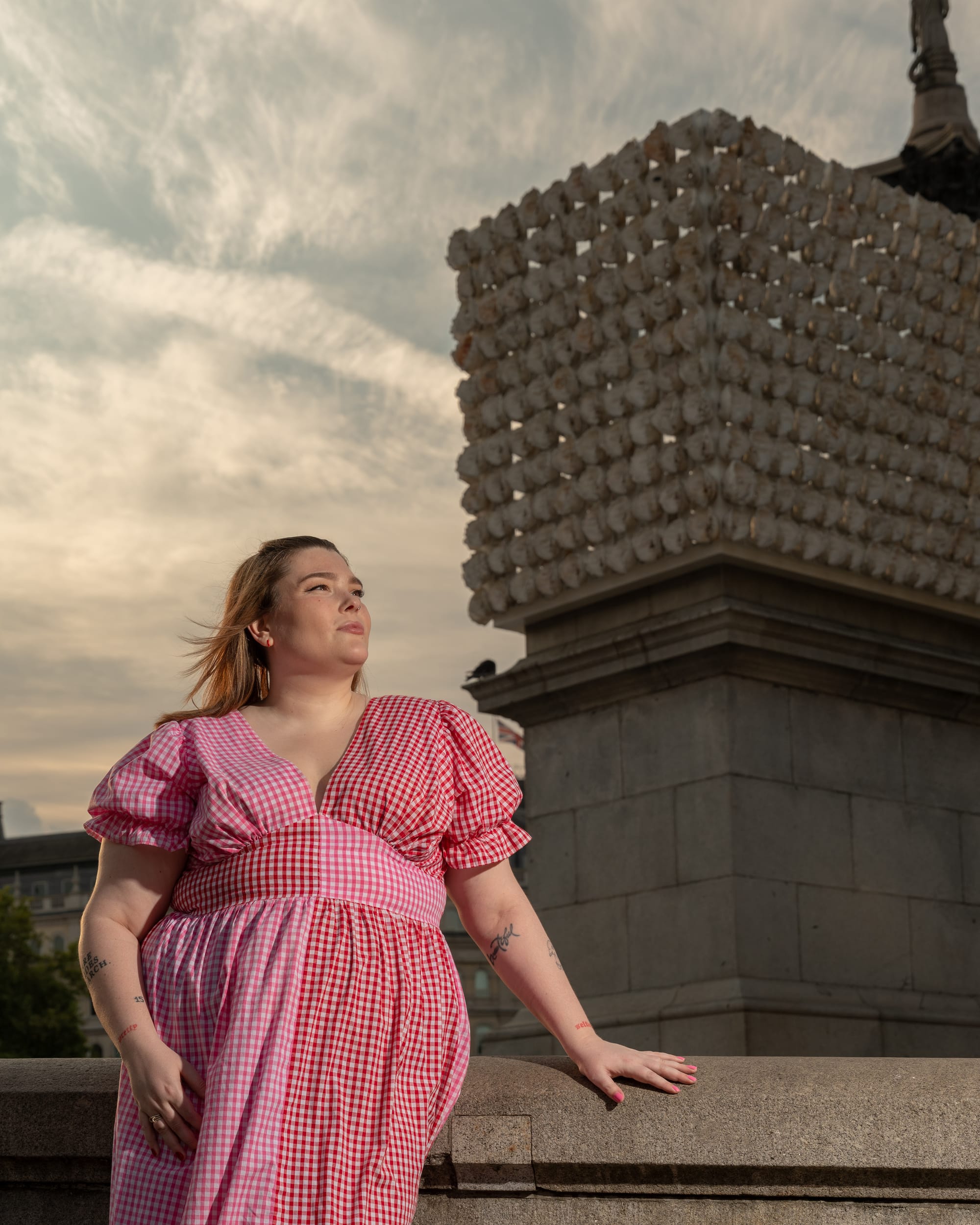
People have yelled at me from moving cars if I’ve dared to wear colour as a plus-size woman. I’ve been told certain clothes have weight limits and been reminded in my comments section that I “used to be beautiful”.
Just last week, walking through the station, a stranger assessed me and announced: “Jesus Christ, look at the state of it.”
It.
There was a time when strangers used that word because they couldn’t understand my gender identity. Hearing it again, this time in response to my size, felt very familiar.
Becoming bigger had once again turned my body into public property. As a transgender woman, having strangers scrutinising my body was hardly a new experience. Trans bodies are constantly discussed, debated and judged by people who will never inhabit one. Becoming plus-size introduced me to another set of expectations about my body.
Nothing about abuse is affirming, and I refuse to give it that power. Yet there’s been an uncomfortable affirmation in recognising something women have always understood: the entitlement the world feels towards our bodies.
Women learn early that our bodies rarely get to simply exist. They can be too big, too small, too old, too muscular, too provocative or not feminine enough. We are encouraged to alter them, then scrutinised for doing so. Our bodies become subjects for strangers, politicians and internet audiences to discuss as though the person living inside them is secondary.
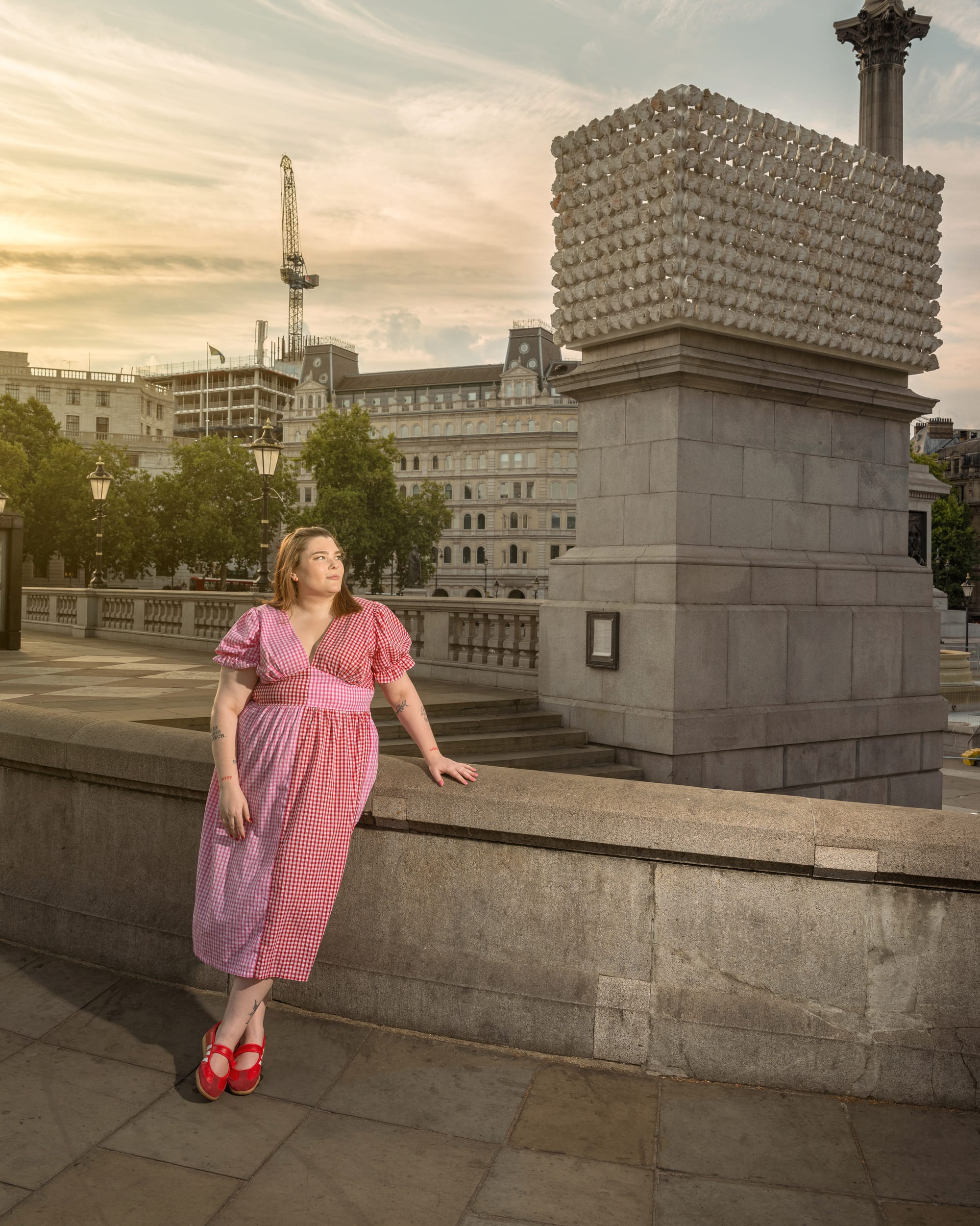
As a trans woman, my experience of that scrutiny is not identical to other women’s, but I recognise something in it.
There is a bitter irony in spending years worrying whether my body looked feminine enough, only to eventually find comfort in it and discover that now it’s the wrong kind of female form.
I was becoming more feminine to myself at exactly the same time I was becoming less acceptable to society.
My DD breasts might satisfy one clichéd cultural expectation of femininity, but apparently the stomach beneath them was expected to occupy considerably less space.
For years, I thought womanhood was something polished and performative. Something achieved through high heels, careful styling and looking “put together”. Yet some of the most affirming experiences of my womanhood arrived in forms I had been taught to fear:
Stretch marks.
Sagging breasts.
Unsolicited opinions.
Impossible standards.
Weight gain was supposed to make me feel less beautiful, less desirable and less worthy.
Instead, it made me feel more at home in my femininity than ever before.
Right now, I am audaciously large, taking up more space than ever and feeling surprisingly powerful doing it.
And for the first time in my life, that feels like enough.
Scene was founded in Brighton in 1993, at a time when news stories about Pride protests were considered radical.
Since then, Scene has remained proudly independent, building a platform for queer voices. Every subscription helps us to report on the stories that matter to LGBTQ+ people across the UK and beyond.
Your support funds our journalists and contributes to Pride Community Foundation’s grant-making and policy work.

Member discussion