



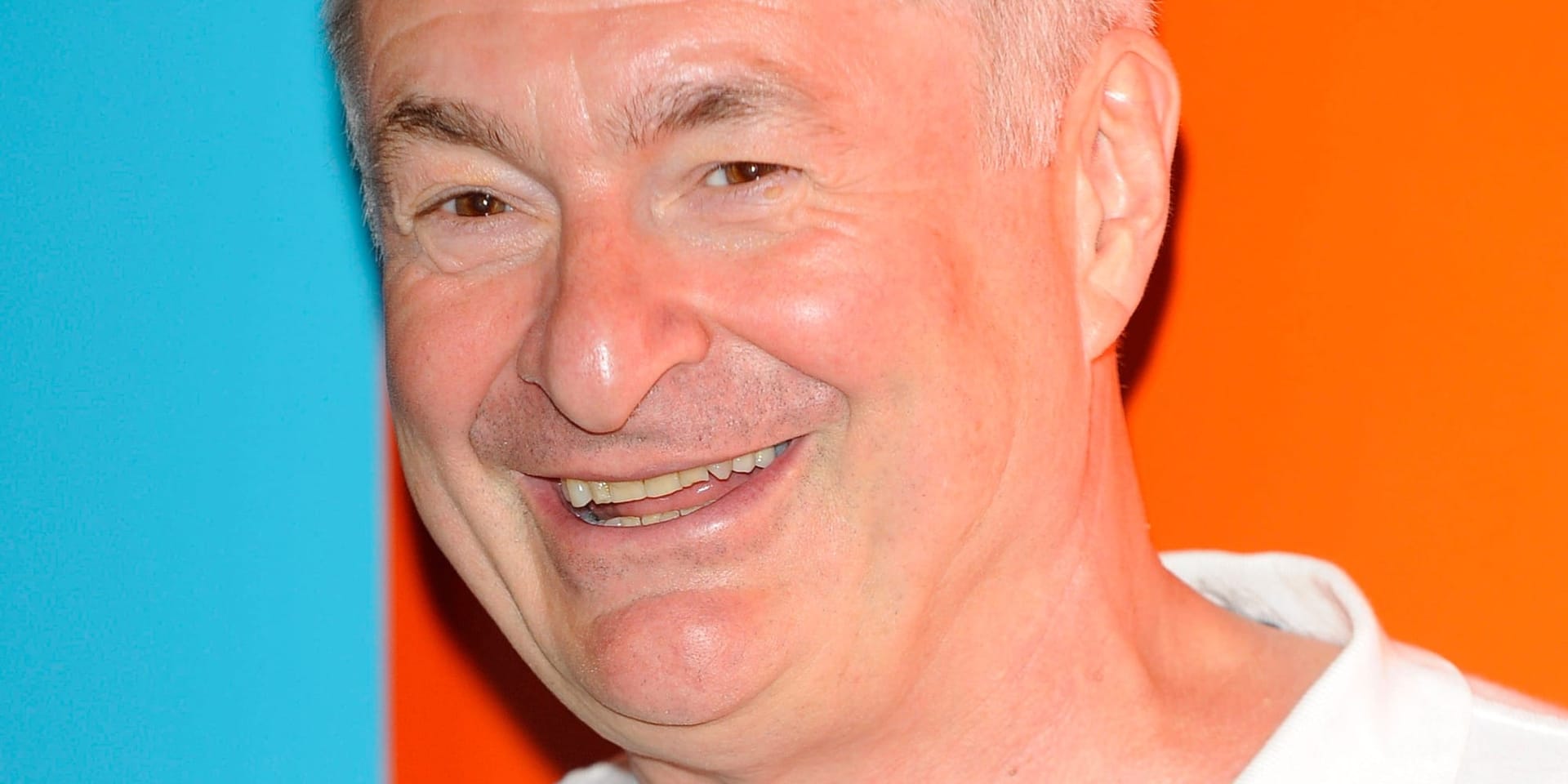
Broadcaster and music journalist Paul Gambaccini, who has been a patron of HIV charity Terrence Higgins Trust for more than 30 years, has revealed he is living with Alzheimer’s disease after being diagnosed with the condition in early 2025.
The veteran radio presenter shared the news in a statement released on social media and to journalists, saying that while the condition presents an "uncertain future", he intends to continue broadcasting.
Referencing Queen's These Are the Days of Our Lives, Gambaccini said: “As Freddie Mercury once sang, you can’t turn back the clock, you can’t turn back the tide. Ain’t that a shame.
“In early 2025 I was diagnosed with Alzheimer’s disease. There’s no denying it’s a serious condition with an uncertain future, but for now life goes on as normal and I continue to broadcast The Paul Gambaccini Collection on BBC Radio 2 from 8-10pm on Sundays, and my shows on Greatest Hits Radio.
“I’m grateful for the kindness and support I’ve already received. I will be as open as I can as things progress. For now, I wish to be given the space to keep on broadcasting the music I love to the listeners I love even more. These are the days of our lives.”
The announcement prompted an outpouring of support, including from Terrence Higgins Trust, where Gambaccini has served as a patron for more than 30 years.
The HIV charity said it was sending its “love and support” to Gambaccini and his husband, adding that it was pleased they were being supported by Alzheimer's Society.
“Paul has been with Terrence Higgins Trust and those affected by HIV every step of the way."
Terrence Higgins Trust chief executive Richard Angell paid tribute to Gambaccini's longstanding commitment to people living with HIV and the wider LGBTQ+ community.
“Paul Gambaccini has been in our thoughts since we learned of his Alzheimer’s diagnosis,” Angell said.
“Paul has been with Terrence Higgins Trust and those affected by HIV every step of the way – from the devastation of the 1980s right through today, as we target the end of new HIV cases in the UK by 2030.
“He has had a huge personal impact in improving public perceptions of HIV over the last 30 years and I have no doubt that from today he will do the same with Alzheimer’s, including through his brilliant radio shows."
Gambaccini has been one of the most visible supporters of HIV awareness and fundraising in Britain since the earliest years of the epidemic, using his profile to challenge stigma and champion those affected by HIV and AIDS.
Sir Nick Partridge, who served as chief executive of Terrence Higgins Trust between 1991 and 2013, said Gambaccini had played a pivotal role in helping the charity respond to the AIDS crisis. “Paul Gambaccini stepped up to the challenge of HIV at a time when so many others turned away,” he said.
“Paul’s high-profile advocacy and fundraising was a vital wake up call for the public about the devastation of the AIDS crisis and need for urgent action.”
Sir Nick also highlighted the significance of Gambaccini’s fundraising efforts through the charity’s influential 300 Club initiative.
“Paul’s 300 Club – where 300 supporters donated £1,000 – was a game changer for Terrence Higgins Trust, securing the charity’s financial stability and place at the forefront of the UK’s HIV response,” he said.
“The legacy of that club and Paul’s actions continue today.”
Gambaccini, whose broadcasting career spans more than five decades, remains a familiar voice on British radio and has made clear that he intends to continue presenting for as long as possible.
Scene was founded in Brighton in 1993, at a time when news stories about Pride protests were considered radical.
Since then, Scene has remained proudly independent, building a platform for queer voices. Every subscription helps us to report on the stories that matter to LGBTQ+ people across the UK and beyond.
Your support funds our journalists and contributes to Pride Community Foundation’s grant-making and policy work.






Member discussion