



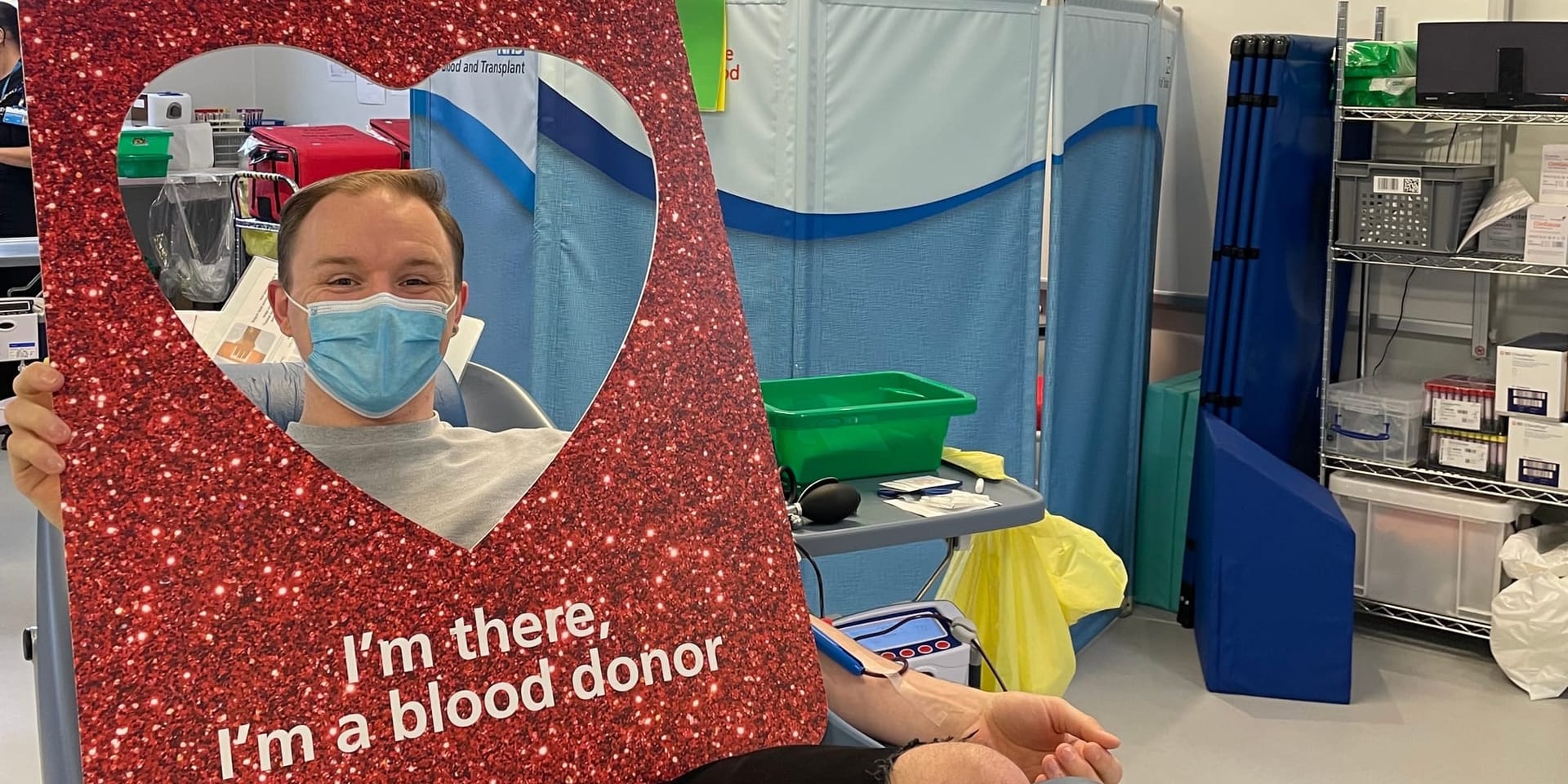
When Thomas Yates rolled up his sleeve to give blood for the first time in 2021, it marked the end of a long and emotional wait.
The gymnastics coach from Westhoughton in Greater Manchester had wanted to donate since he was young, inspired by parents who were regular donors and by his grandfather, who relied on weekly blood transfusions during treatment for leukaemia. But for years, rules governing blood donation meant he was not eligible.
“I went to donate in 2018 knowing I wasn’t able,” Thomas said. “Even though I was tested and had no infections, morally I couldn’t go through with it. I was left incredibly upset. I felt it was another way queer people are marginalised.”
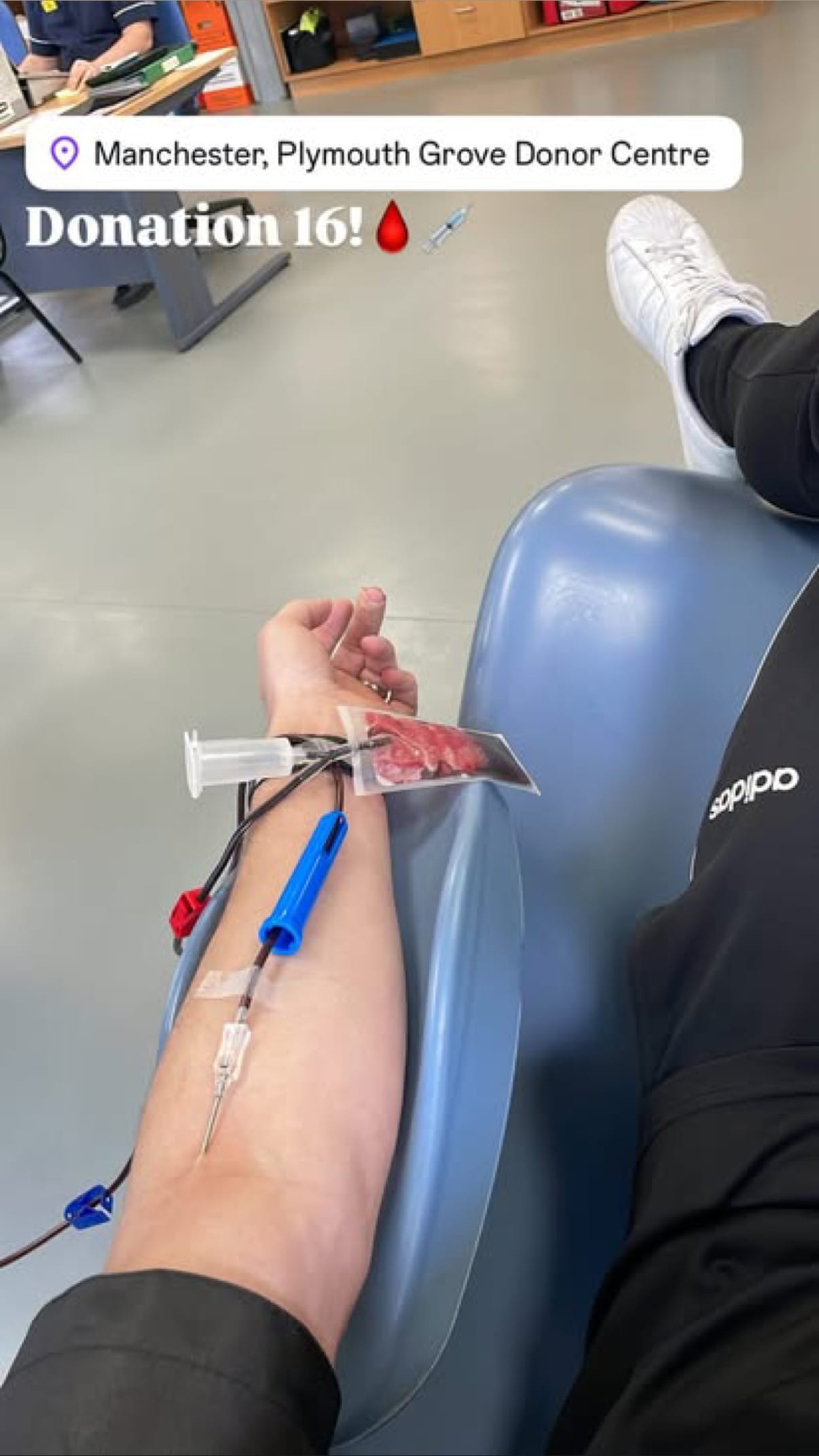
Since the rules changed, Thomas has donated blood 16 times. His experience reflects a wider shift revealed by new analysis showing a large increase in the number of gay and bisexual men donating blood in England over the past decade.
A survey carried out by the For the Assessment of Individualised Risk (FAIR) steering group found that 7.5% of male blood donors now report their sexual orientation as bisexual, gay, pansexual, queer, bicurious or sexually fluid. The survey included 8,744 male donors.
That compares with a similar survey in 2014, when only 1.8% of male donors reported ever having had sex with men. While the two surveys used different methodologies, FAIR researchers believe the findings provide strong evidence that more gay and bisexual men are donating blood following changes to eligibility rules.

In 2014, men were barred from donating blood if they had had sex of any kind with another man within the previous 12 months. That restriction was reduced to three months in 2017. In 2021, the rules changed again, introducing an individualised risk-based assessment. Under the current guidelines, people of all genders cannot donate if they have had anal sex with a new or multiple partners in the last three months, based on evidence of risk rather than sexual orientation.
The work underpinning the 2021 change was carried out by the FAIR steering group, which was established at the direction of the Government. The group reviewed scientific evidence and gathered new data to assess whether donor screening could be made more personalised without compromising safety. Its recommendations were accepted by the Government and introduced by NHS Blood and Transplant (NHSBT) in June 2021.
Su Brailsford, Consultant in Epidemiology and Health Protection at NHSBT and chair of FAIR, said the data was encouraging.
“FAIR gave us the evidence to move to a more individualised donor check,” they said. “Donation became more inclusive but safety remained the priority. The survey statistics indicate more gay and bisexual men are now donating, which is very encouraging to see.”
NHSBT collects around 1.5 million blood, plasma and platelet donations each year and needs nearly 200,000 new donors annually to maintain supplies.
Katy Davison, Principal Scientist in Epidemiology at the UK Health Security Agency and a member of FAIR, said blood safety had not been affected by the changes.

“The annual NHSBT and UKHSA blood safety report shows no impact on blood safety since the more individualised assessment was introduced,” they said.
For Thomas, the impact has been deeply personal.
“I booked my first donation almost as soon as the rules changed,” he said. “I felt elated afterwards - proud, happy, overjoyed. Even speaking about it now, I’m getting a little teary.”
Now engaged to Ashton David Hall, Thomas donates regularly at the Plymouth Grove donor centre in Manchester and encourages others to do the same.
“It’s so easy to donate,” he said. “You’re literally saving someone’s life with one hour of your time. I’m pleased the surveys show more queer people are donating - I think it helps change perspectives.”
People can register to donate blood HERE
Scene was founded in Brighton in 1993, at a time when news stories about Pride protests were considered radical.
Since then, Scene has remained proudly independent, building a platform for queer voices. Every subscription helps us to report on the stories that matter to LGBTQ+ people across the UK and beyond.
Your support funds our journalists and contributes to Pride Community Foundation’s grant-making and policy work.




Member discussion