

“Forced back into the closet." New research shows older LGBTQ+ people fear discrimination in housing and care settings


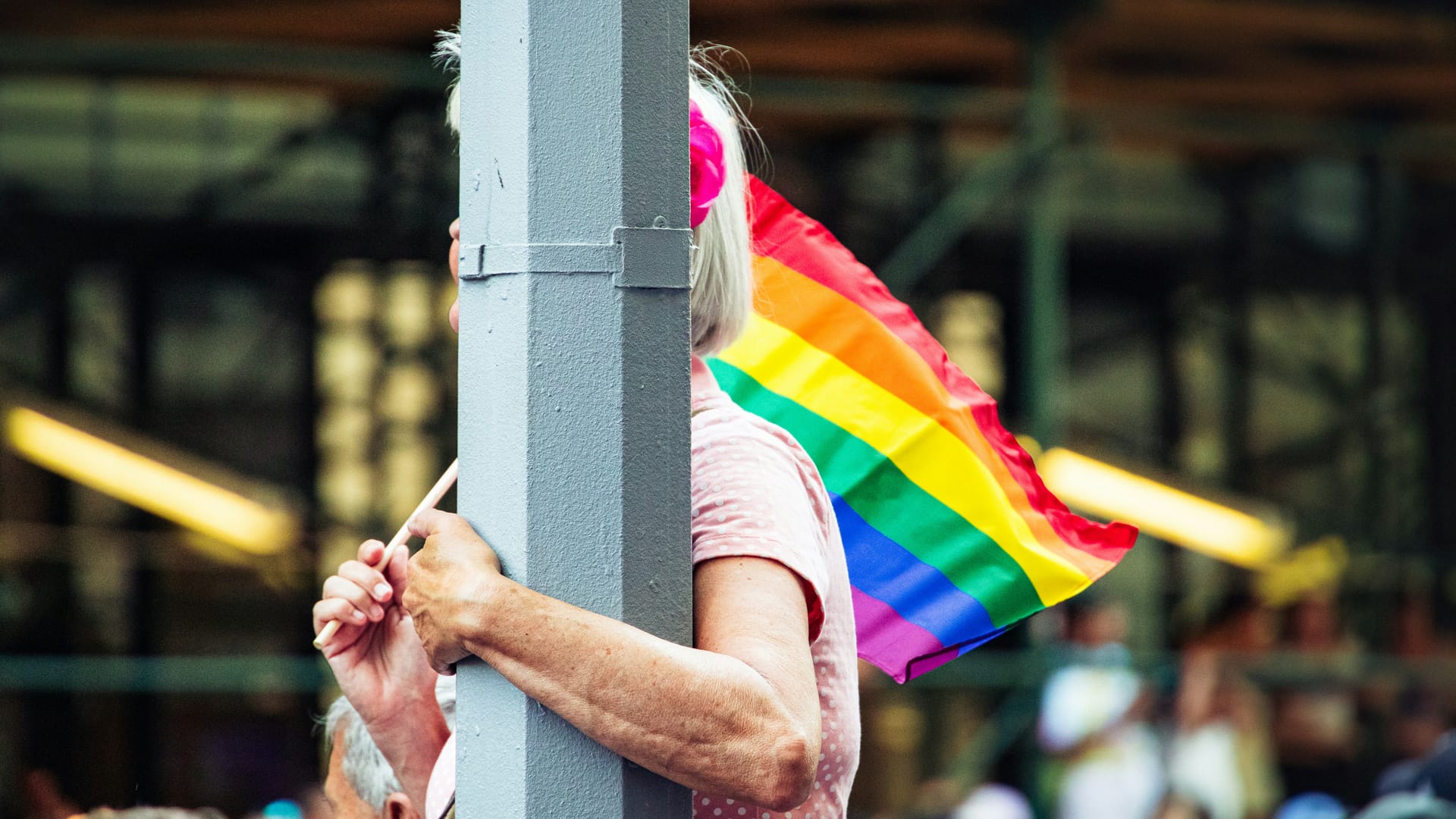
Older LGBTQ+ people in the UK are continuing to hide their identities from housing and care staff amid fears of discrimination, dismissal and social isolation, according to new research from the University of Surrey.
The study found that many older LGBTQ+ people feel unsafe being open about who they are in settings where they rely on care and support. However, researchers also discovered that a simple intervention - training based on animated stories created with LGBTQ+ people themselves - can significantly improve how staff understand and support their service users.
The research forms part of the Life House Project, led by Dr Georgia Bowers, Professor Andrew King and Dr Richard Green. The project worked directly with older LGBTQ+ people to document their experiences of housing and social care, then translated those accounts into an animated film used in staff training.
In the weeks following the training, the proportion of staff who said they regularly or always met the needs of LGBTQ+ service users rose from 55% to 85%. Confidence in supporting LGBTQ+ people increased from 77% to 95%, while the use of inclusive language rose from 70% to 95%.
Dr Georgia Bowers, Senior Lecturer at the Guildford School of Acting and project lead, said older LGBTQ+ people were often “forced back into the closet at the very moment they need care and support most”.
“Data and policy guidance alone were never going to change that,” Bowers said. “So we worked directly with LGBTQ+ people to create something different - an animated film that lets their real experiences speak through characters and story rather than through statistics. When care workers feel something, rather than simply learn something, the effect is more durable.”
Six older LGBTQ+ people took part in theatre workshops run in partnership with the London Bubble Theatre Company, using an applied theatre approach to develop the story, characters and script for a short animated film. Their experiences informed three composite characters, including a lesbian woman in her 70s whose relationship is dismissed by a carer, an elderly gay man mocked for his past relationships, and a trans woman facing intrusive questioning in sheltered housing.
The four-minute animation was used as the basis for training at a London-based housing provider and a homecare provider in July 2025. Twenty-two staff took part, with all rating the session as good or excellent and saying they would recommend it. More than 70% reported an emotional response to the material.
Follow-up interviews with managers six to eight weeks later found visible changes in practice, including staff introducing themselves with pronouns and showing greater attentiveness to LGBTQ+ clients. While some behaviours, such as proactively asking about pronouns, changed more modestly, nine in ten staff said further training would be valuable.
Professor Andrew King, Professor of Sociology at the University of Surrey, said the findings showed the power of training rooted in lived experience. “Older LGBTQ+ people are still experiencing discrimination and invisibility in services that are supposed to support them,” King said. “This approach is not a complete solution, but it is a significant and replicable one.”
The training model will now be incorporated into equality, diversity and inclusion provision at both partner organisations, with the research team exploring wider adoption across the housing and care sectors.
Scene was founded in Brighton in 1993, at a time when news stories about Pride protests were considered radical.
Since then, Scene has remained proudly independent, building a platform for queer voices. Every subscription helps us to report on the stories that matter to LGBTQ+ people across the UK and beyond.
Your support funds our journalists and contributes to Pride Community Foundation’s grant-making and policy work.






Member discussion