



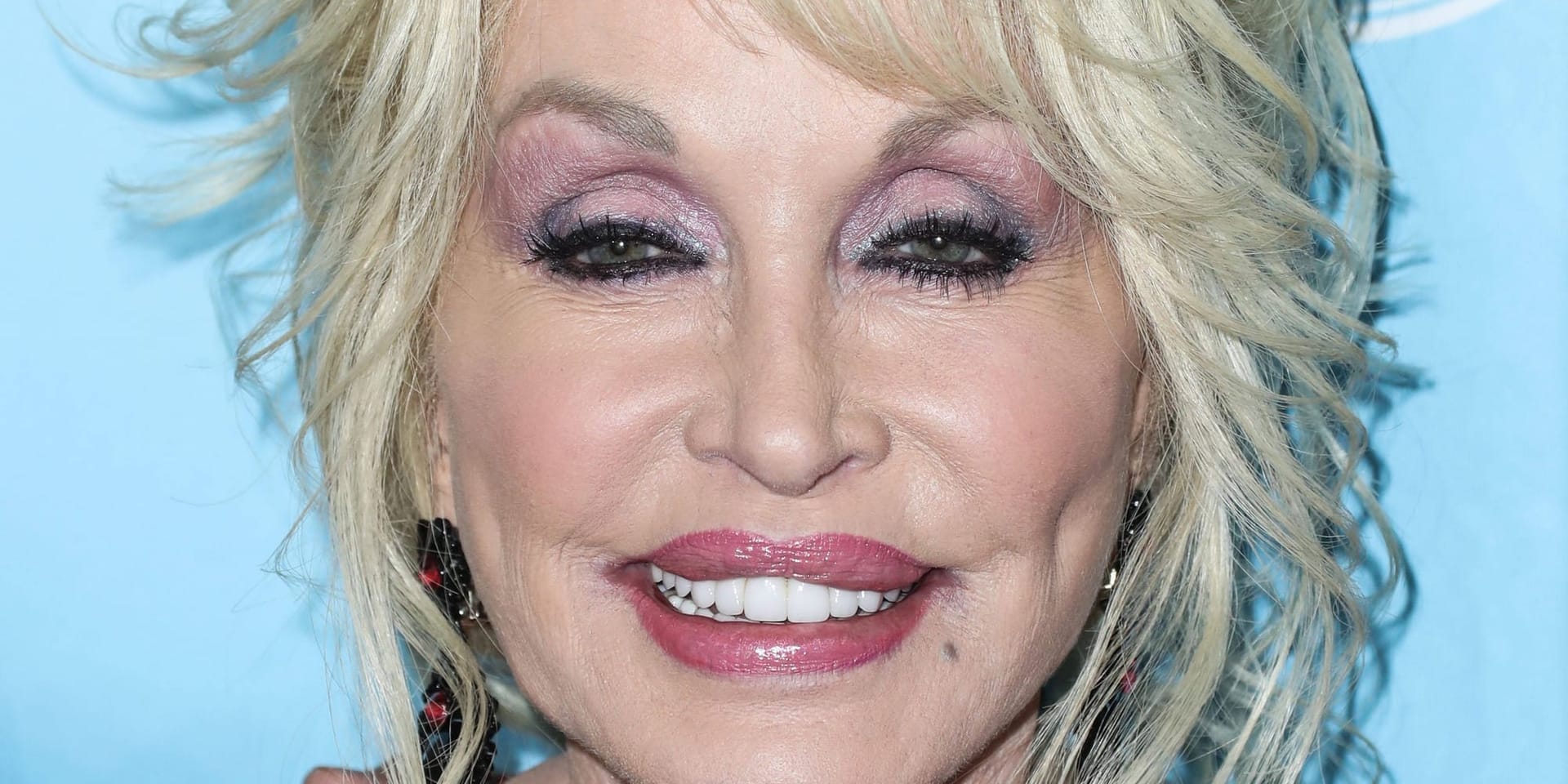
For generations of LGBTQ+ people, Dolly Parton was more than a country music legend. She was a symbol of joy, resilience and unapologetic self-expression. She was the woman whose songs soundtracked drag shows and Pride celebrations, whose larger-than-life image inspired countless performers, and whose message of acceptance never seemed to waver.
Following her death at the age of 80 after a brief battle with cancer, tributes have poured in from across music, film and politics. But among LGBTQ+ communities around the world, there is a particular sense of loss. Parton was one of those rare stars whose allyship felt instinctive rather than strategic.
Throughout a career spanning more than six decades, Parton built a reputation for treating people with warmth and respect regardless of who they were. While she generally steered clear of partisan politics, she never seemed interested in judging others. At a time when LGBTQ+ rights remain fiercely contested in parts of the United States, including her home state of Tennessee, that mattered.
Queer fans recognised something of themselves in Parton. There was the glamour, of course: the wigs, rhinestones and sharp wit that made her a drag icon long before the term entered mainstream culture. But there was also the story behind the image. Raised in poverty in rural Tennessee, Parton understood what it meant to be underestimated and dismissed. Her songs were full of outsiders, dreamers and people determined to carve out their own place in the world.
She embraced her queer following with the same generosity she brought to much of her public life. Rather than distance herself from drag performers who celebrated her image, she delighted in them. Her humour and self-awareness made her one of the few stars equally adored in Nashville, Hollywood and LGBTQ+ venues.
That generosity extended beyond words. Parton's philanthropic work transformed lives through initiatives including her Imagination Library, which has distributed hundreds of millions of books to children. Her team, announcing her death, described a woman whose "unmatched generosity" reached countless people through literacy programmes and medical research funding.
Many LGBTQ+ people saw those charitable efforts as part of the same worldview that made her such a cherished ally. She believed people deserved opportunities, dignity and compassion, whatever their circumstances.
Among those paying tribute this week was Sir Elton John, who called Parton "a giant of an artist" who was "unique and irreplaceable, with the kindest heart".
Beyoncé, whose recent reworking of Jolene introduced Parton's music to a new generation, remembered her as "the North Star. Bold and brilliant. Talented and tenacious", adding: "You taught so many lessons on how to be uniquely oneself."
Those words help explain why so many queer people felt such an affinity with Parton. She embodied authenticity. Long before "being yourself" became a marketing slogan, Dolly Parton made a career out of doing exactly that.
Her influence can be seen everywhere in LGBTQ+ culture. In drag dressing rooms. In cabaret venues. On Pride stages. In the countless performers who borrowed a little of her sparkle, humour or fearlessness. Few artists have become so deeply woven into the fabric of queer life while remaining such a mainstream figure.
In a world that often asked queer people to explain themselves, Dolly Parton rarely seemed to think an explanation was necessary. Her message, whether expressed through a song, a joke or an act of generosity, was that everybody deserved love and respect.
Scene was founded in Brighton in 1993, at a time when news stories about Pride protests were considered radical.
Since then, Scene has remained proudly independent, building a platform for queer voices. Every subscription helps us to report on the stories that matter to LGBTQ+ people across the UK and beyond.
Your support funds our journalists and contributes to Pride Community Foundation’s grant-making and policy work.

Member discussion