

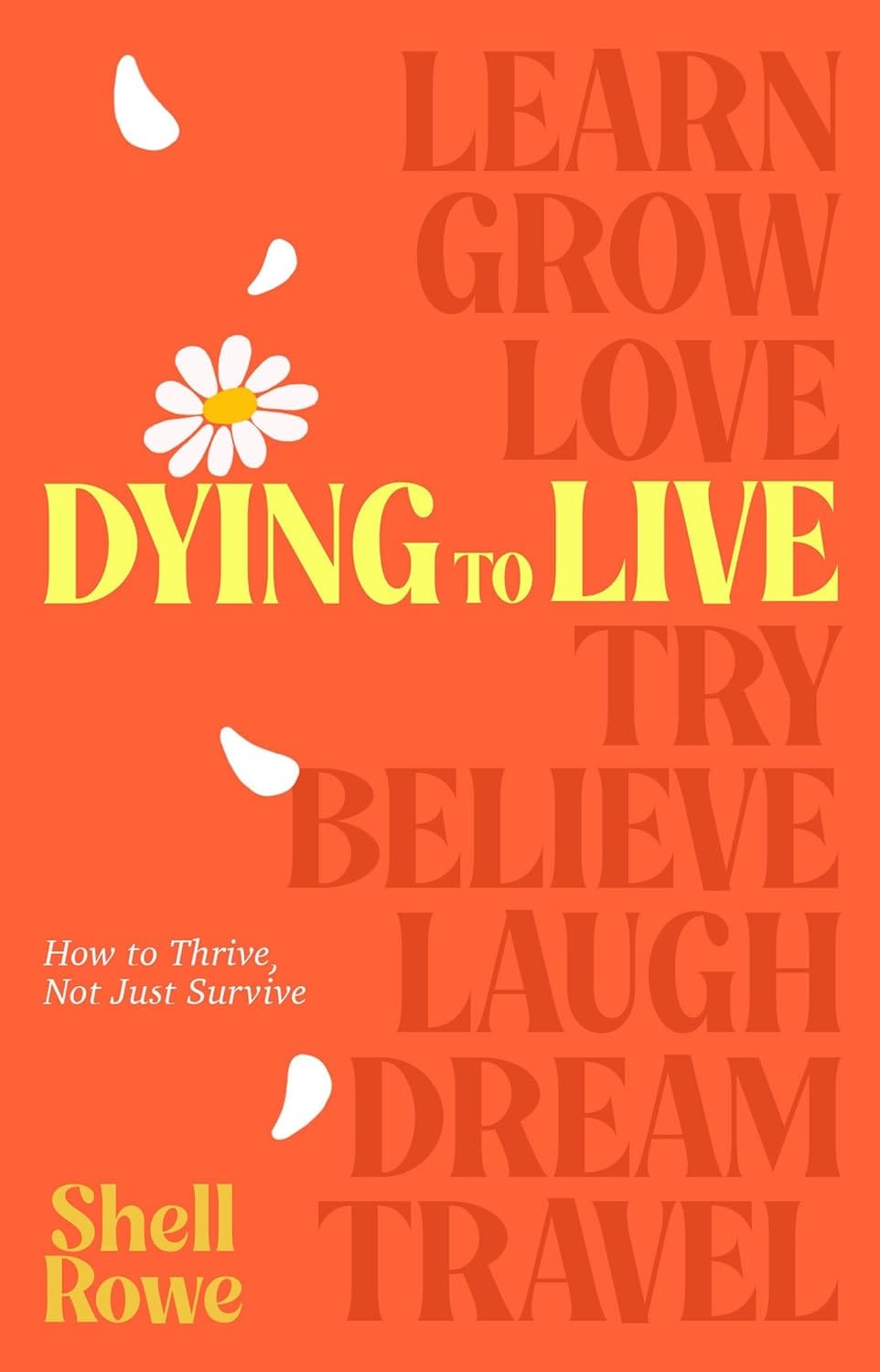
Dying to Live by Shell Rowe
Dying to Live by Shell Rowe: A Glitter-Dusted Guide to Actually Thriving

Dear readers, gather round, because this one comes with a warning: you may finish it and immediately do something reckless, like booking that trip, texting your ex a healthy goodbye, or finally dyeing your hair the colour you've been Pinterest-boarding since 2019.
Shell Rowe is not a stranger to a comeback. The proud queer content creator, who hails from Billericay in Essex and has faced down cancer four separate times since her diagnosis at twenty, built her following of nearly a million on TikTok by refusing to let chemo wards dim her sparkle, turning hospital corridors into stages for dark humour and unfiltered honesty. Dying to Live: How to Thrive, Not Just Survive is the inevitable, and very welcome, next chapter: a memoir-meets-manual distilling ten lessons pulled from a life that has, by any measure, thrown rather a lot at her.

What lands is the book's central refusal to settle for mere endurance. Rowe isn't interested in gritted-teeth survival stories that stop at "and then I got through it." Instead, she's after something bolder: a genuinely rebuilt life, deliberately shaped and pursued even while the difficult stuff is still very much happening. The tone throughout is less self-help lecture, more a fiercely loving mate who's been through it and refuses to let you shrink. There's no finger-wagging, no toxic positivity dressed up as wisdom, just practical, hard-won insight delivered with warmth. You'll catch yourself dog-earing pages, not for the productivity hacks, but because something in her account of clawing back agency mirrors a shape you recognise in your own story.
This book earns its place on a queer reading list, even though it isn't marketed, or written, as an "LGBTQ+ book" in the narrow sense. For queer people, the experience of having your body, your choices, or your very existence scrutinised, medicalised, or gatekept by institutions is not a metaphor, it's Tuesday. Trans and non-binary readers in particular will know intimately what it is to fight for basic bodily autonomy against systems that would rather manage you than listen to you. Rowe's insistence on narrating her own survival, on her own terms, against a medical establishment that had already begun writing her obituary, will land with anyone who has had to reclaim their story from people who thought they knew better. It's a blueprint for taking back the pen, and one this community has been sketching in the margins for decades.
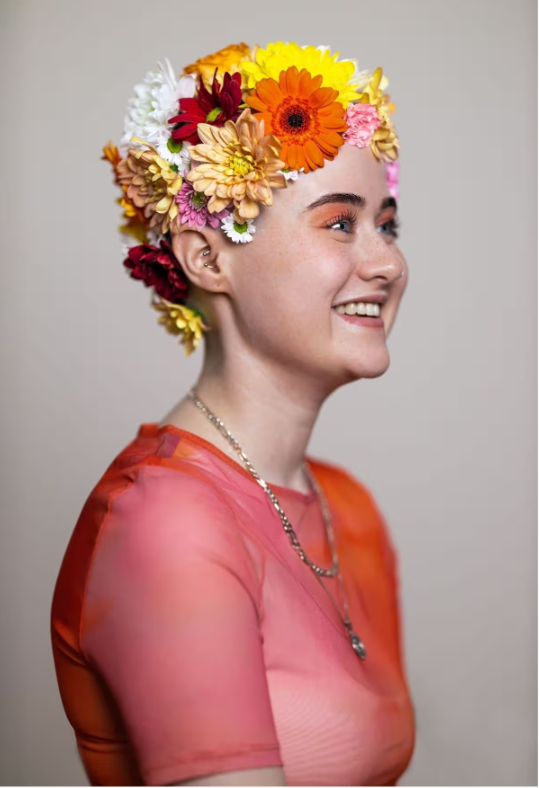
There's also something quietly radical in a queer woman becoming this visible while this unwell, refusing to disappear into either illness or convention. Representation here isn't a rainbow sticker on the cover; it's structural, present in whose resilience gets to be seen and celebrated.
Hope is the electrical throb that drives this narrative, not just hope for a tomorrow to be in, but hope for an opportunity to be as magnificent as possible in, vital, throbbing, energising, enabling hope. It's a refreshing shunt into the reality of our lives being brief things, with nothing guaranteed.
Dying to Live isn't asking you to ignore how hard things are. It's handing you a torch and a map for building something rich and purposeful anyway. For anyone ready to trade quiet survival for something louder, messier, and altogether more alive, this is your sign.
Dying to Live: How to Thrive, Not Just Survive by Shell Rowe is published by Bantam, out now, more info or to order from the Publishers website.
Scene was founded in Brighton in 1993, at a time when news stories about Pride protests were considered radical.
Since then, Scene has remained proudly independent, building a platform for queer voices. Every subscription helps us to report on the stories that matter to LGBTQ+ people across the UK and beyond.
Your support funds our journalists and contributes to Pride Community Foundation’s grant-making and policy work.







Member discussion