



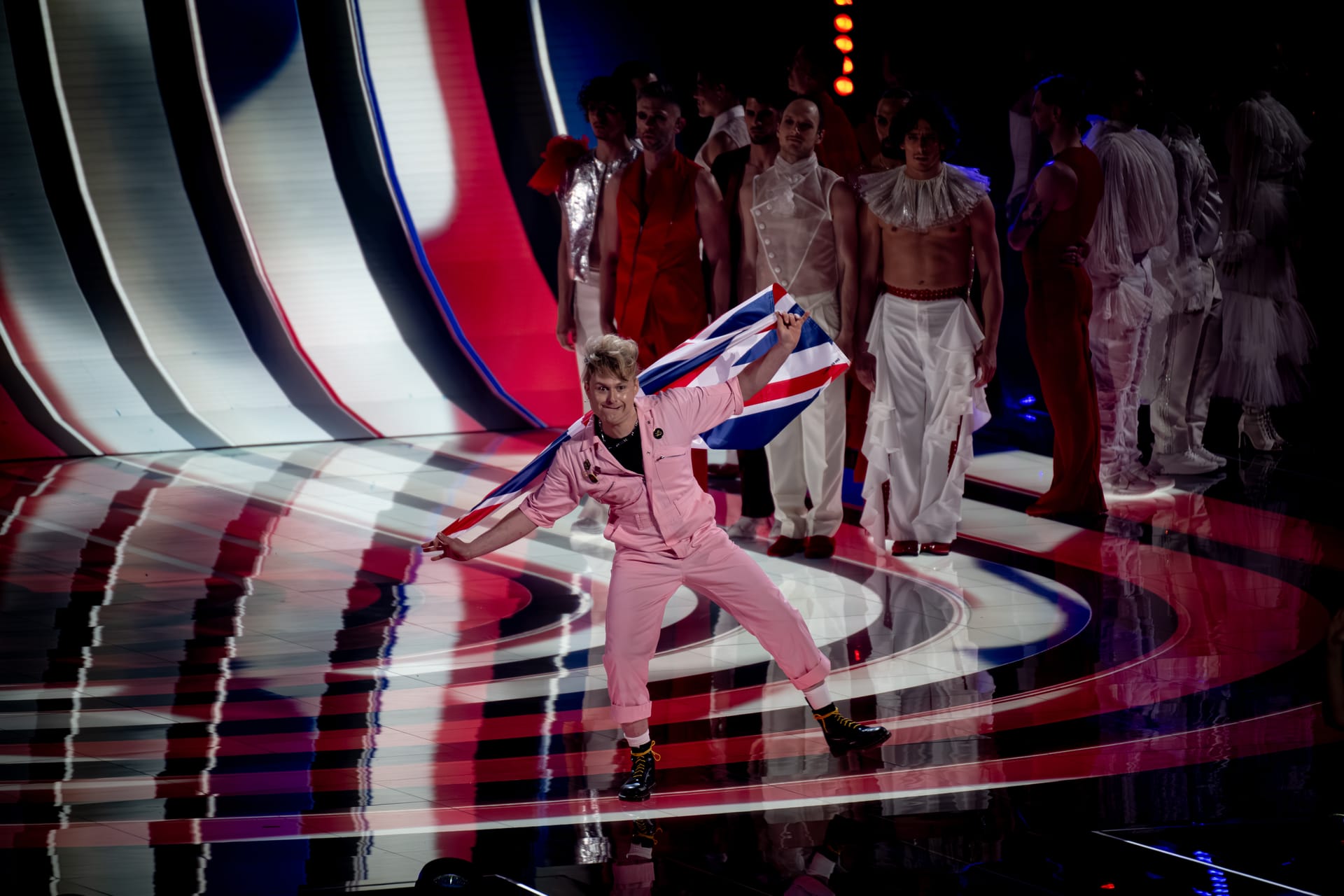
MPs are set to examine the UK's recent Eurovision Song Contest record as part of a parliamentary inquiry into the state of the nation's cultural life.
The Culture, Media and Sport Committee has confirmed that the UK's performance at Eurovision will be considered as part of its State of Play inquiry after the issue was suggested by a member of the public.
Dame Caroline Dinenage, chair of the committee, said the proposal had caught MPs' attention because of the UK's reputation for underperforming in the competition despite the strength of its music industry.
Speaking to BBC News, she said: "This request from a member of the public interested us because of the UK's reputation for scoring 'nul points', coming bottom, or close to bottom in recent years at Eurovision, despite having world-class songwriters and musicians."
The move follows another disappointing result for the UK at this year's contest, where electronic musician and YouTuber Look Mum No Computer finished last, scoring just one point.
The UK has endured a mixed run of results in the contest over the past decade and a half. Blue finished 11th with I Can in 2011, while Lucie Jones placed 15th with Never Give Up on You in 2017. However, the country's most notable recent success came in 2022, when Sam Ryder finished second with Space Man, narrowly missing out on victory to Ukraine's Kalush Orchestra.
The Eurovision investigation will form part of the committee's wider State of Play inquiry, which invites members of the public, organisations and industry figures to suggest topics that Parliament should explore.
Evidence will be gathered over the coming months before MPs decide whether to publish findings and make recommendations to the BBC.
The inquiry could examine why the UK, home to one of the world's most successful music industries, has struggled to consistently translate that success into strong Eurovision results.
Any recommendations made by the committee would not be binding, but could influence future discussions about how the BBC selects and supports the UK's Eurovision entries.
The UK has won Eurovision five times, most recently in 1997 when Katrina and the Waves triumphed with Love Shine a Light.
Scene was founded in Brighton in 1993, at a time when news stories about Pride protests were considered radical.
Since then, Scene has remained proudly independent, building a platform for queer voices. Every subscription helps us to report on the stories that matter to LGBTQ+ people across the UK and beyond.
Your support funds our journalists and contributes to Pride Community Foundation’s grant-making and policy work.



Member discussion