



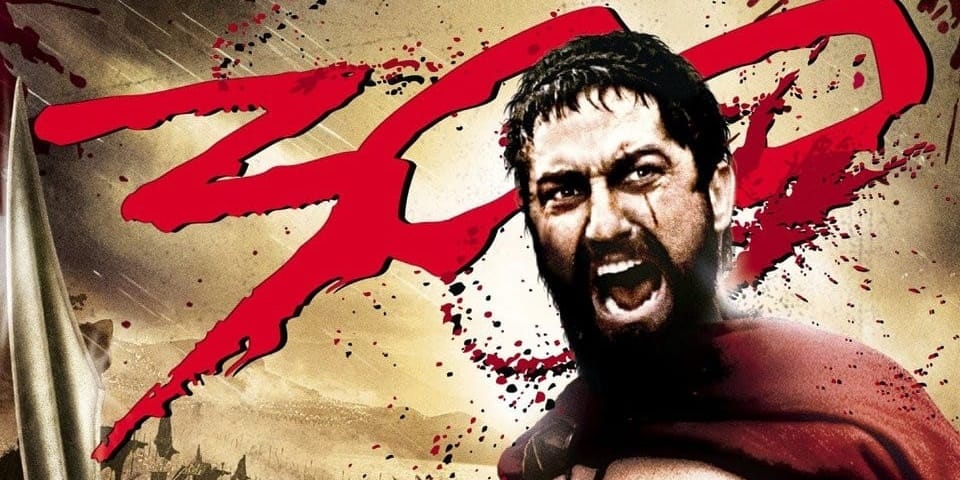
Director Zack Snyder has reignited debate around his blockbuster film 300 after describing the sword-and-sandals epic as "one of the gayest movies ever made" during a recent interview.
The filmmaker made the remarks while discussing criticism of his latest film, The Last Photograph, and reflecting on accusations that some of his work has been interpreted as promoting right-wing or authoritar ian ideas. Snyder rejected those claims, insisting he is "obviously" pro-gay and pointing to 300 as evidence.
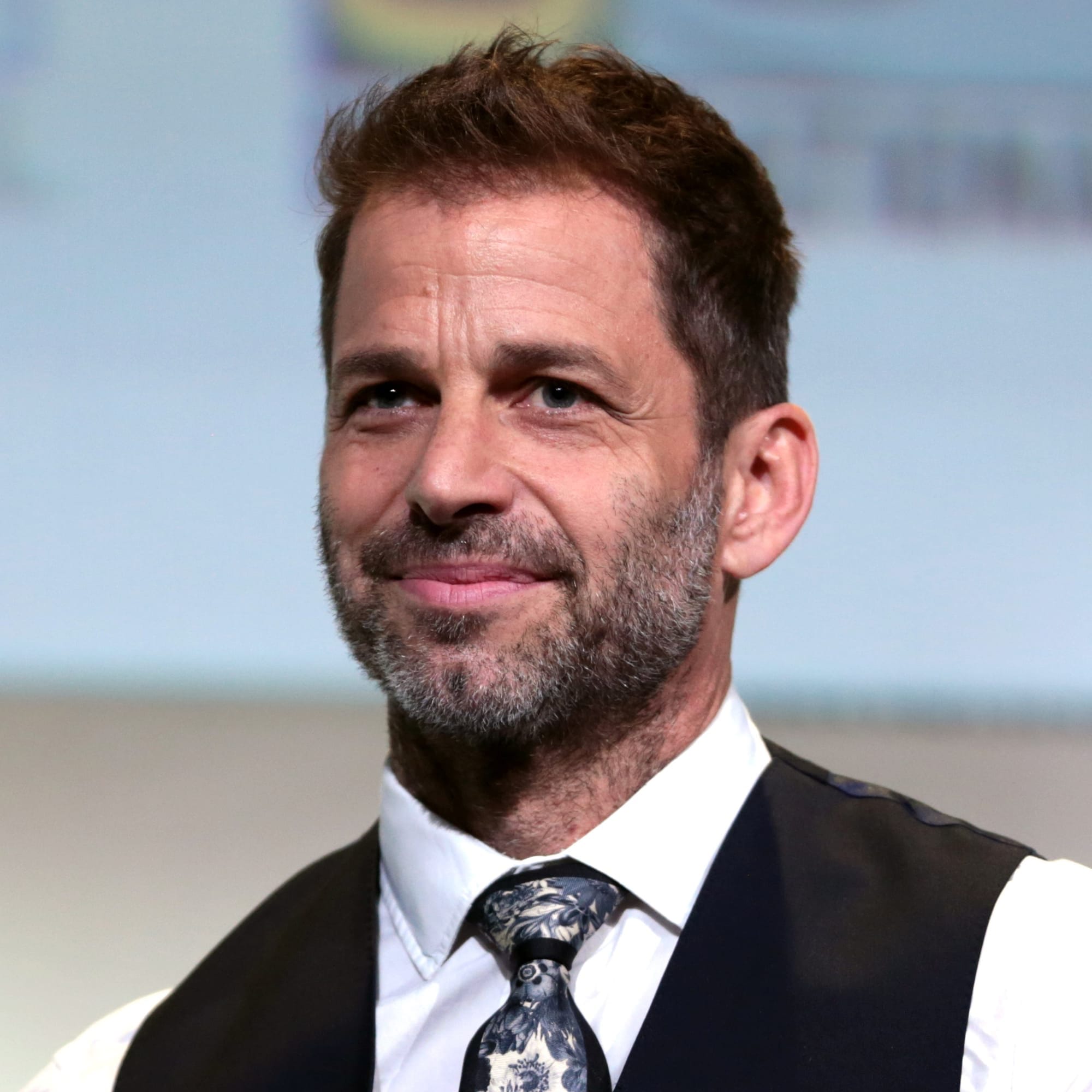
"But obviously I'm pro-gay. I made the gayest movie ever made," Snyder told Variety, before clarifying that he considers 300 to be "one of the gayest movies ever made".
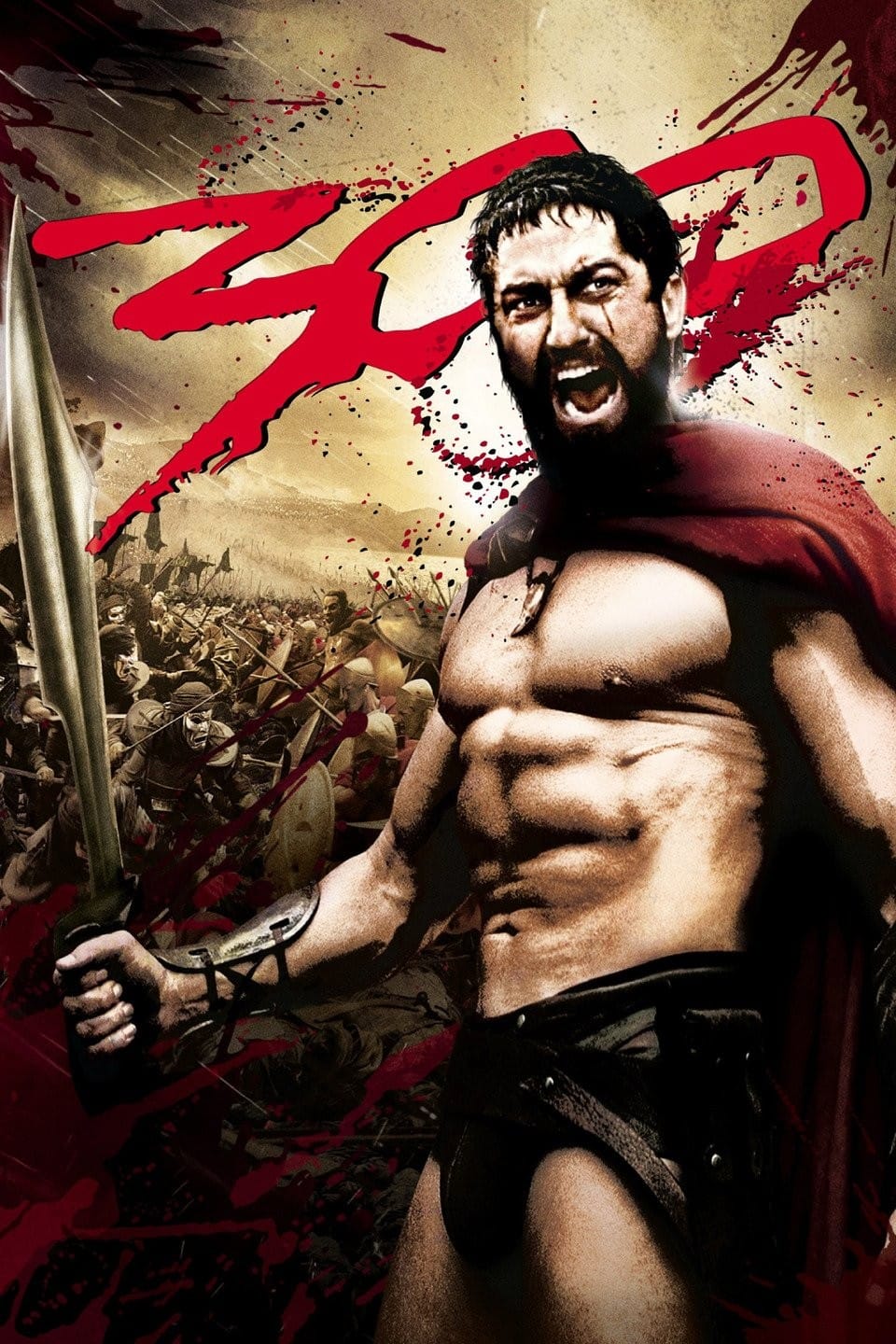
Released in 2007 and based on Frank Miller's graphic novel, 300 tells the story of King Leonidas, played by Gerard Butler, and his Spartan warriors as they face the invading Persian army at the Battle of Thermopylae. The film became a global hit, grossing hundreds of millions of dollars and helping establish Snyder's distinctive visual style.
The film's stylised portrayal of near-naked, heavily muscled warriors has long prompted discussion about its homoerotic undertones. Snyder has previously embraced that interpretation, reportedly describing the film as "male-centric" and "male-obsessed" and arguing that its focus on the male form was far from accidental.
In the latest interview, Snyder recalled the hostile reception 300 received when it screened at the Berlin International Film Festival before its release. He said some audience members booed the film and accused it of being fascist, leading to pointed questions about his political views during a press conference.
According to Snyder, one journalist asked whether he was "pro-gay or pro-NRA", prompting the response that has since resurfaced online.
His comments have sparked fresh discussion on social media, with some fans embracing the director's tongue-in-cheek characterisation of the film and others questioning whether 300 can genuinely be viewed as a queer text.
While 300 contains no openly LGBTQ+ characters or storylines, its celebration of male bodies, warrior brotherhood and exaggerated masculinity has long attracted queer readings from critics and audiences alike.
Scene was founded in Brighton in 1993, at a time when news stories about Pride protests were considered radical.
Since then, Scene has remained proudly independent, building a platform for queer voices. Every subscription helps us to report on the stories that matter to LGBTQ+ people across the UK and beyond.
Your support funds our journalists and contributes to Pride Community Foundation’s grant-making and policy work.


Member discussion