



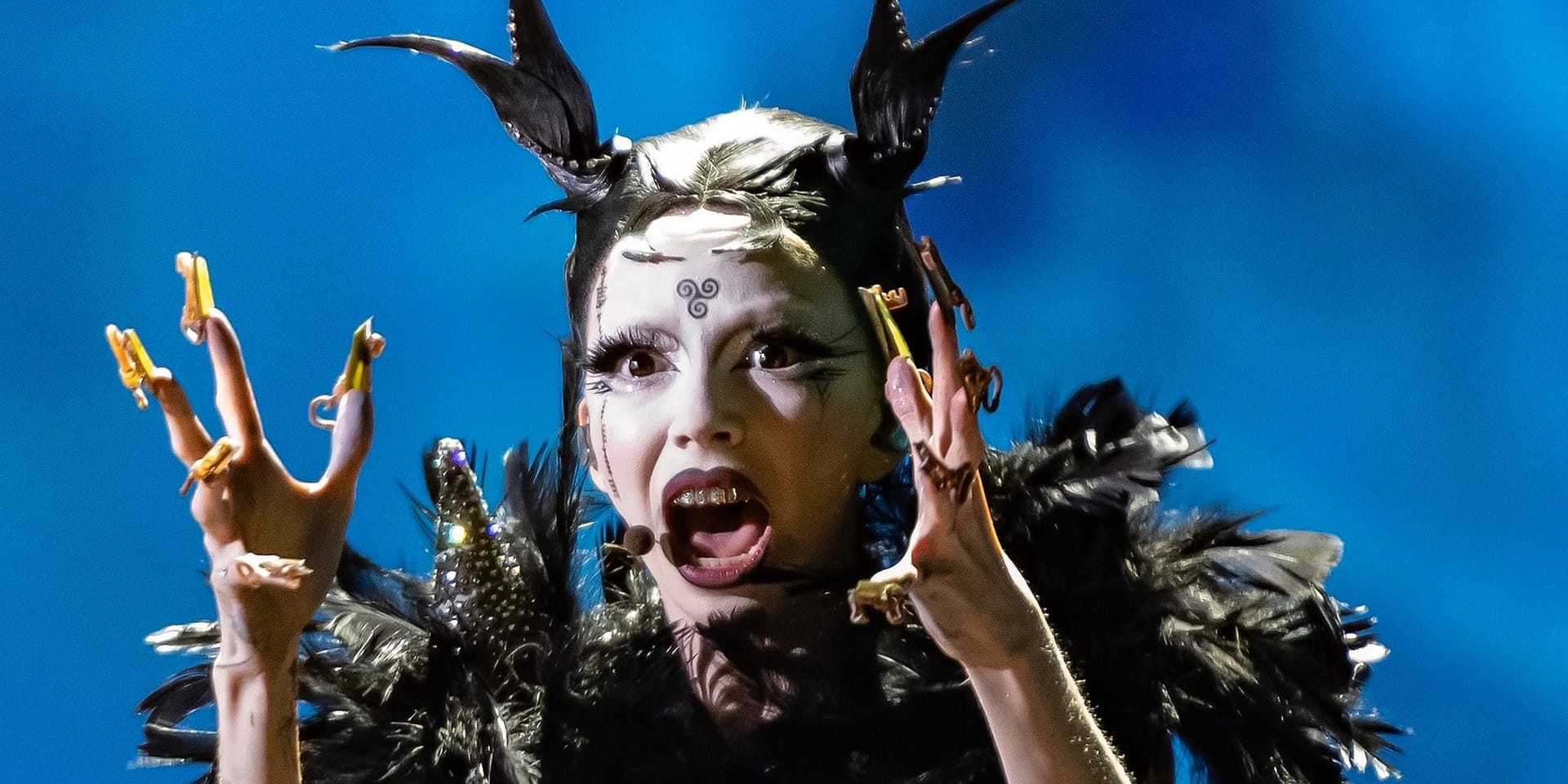
Ireland's national broadcaster has confirmed that the country will boycott the 2027 Eurovision Song Contest, citing Israel's continued participation in the competition amid the ongoing war in Gaza.
RTÉ announced on Thursday that it will neither send an Irish act to next year's contest nor broadcast the event, which is due to take place in the Bulgarian coastal city of Burgas in May 2027.
In a statement, the broadcaster said it believed Ireland's participation could not be justified because of the "appalling and ongoing loss of lives in Gaza" and the humanitarian crisis in the territory. RTÉ also expressed concern about restrictions on independent international media access to Gaza.
The decision means Ireland will miss Eurovision for a second consecutive year. RTÉ was among five broadcasters, alongside those in Spain, the Netherlands, Iceland and Slovenia, that declined to participate in the 2026 contest in protest at Israel's inclusion.
Ireland's move is likely to intensify pressure on the European Broadcasting Union (EBU), which organises Eurovision and has faced mounting criticism over its decision to allow Israel to remain in the competition while Russia continues to be excluded following its invasion of Ukraine. Although the EBU has maintained that Eurovision is a non-political event, critics have argued that the contest can no longer claim neutrality while the conflict in Gaza continues.
The Netherlands has already confirmed it will also boycott the 2027 contest. Dutch broadcaster AVROTROS said last month that Eurovision had become a "platform for division" and could no longer be considered politically neutral while a participating country remained involved in a major military conflict.
The Eurovision Song Contest has become an increasingly contentious issue within LGBTQ+ communities across Europe. The competition has long enjoyed a large LGBTQ+ fanbase and has frequently been celebrated as a showcase for queer artists, performers and audiences. However, debates over Israel's participation have prompted calls for boycotts from some activists, artists and former contestants in recent years.
Ireland is one of Eurovision's most successful nations, having won the contest a record-equalling seven times. Its withdrawal from a second consecutive competition represents one of the most significant breaks in the country's Eurovision history.
The EBU has not yet publicly responded to RTÉ's latest announcement.
Scene was founded in Brighton in 1993, at a time when news stories about Pride protests were considered radical.
Since then, Scene has remained proudly independent, building a platform for queer voices. Every subscription helps us to report on the stories that matter to LGBTQ+ people across the UK and beyond.
Your support funds our journalists and contributes to Pride Community Foundation’s grant-making and policy work.



Member discussion