



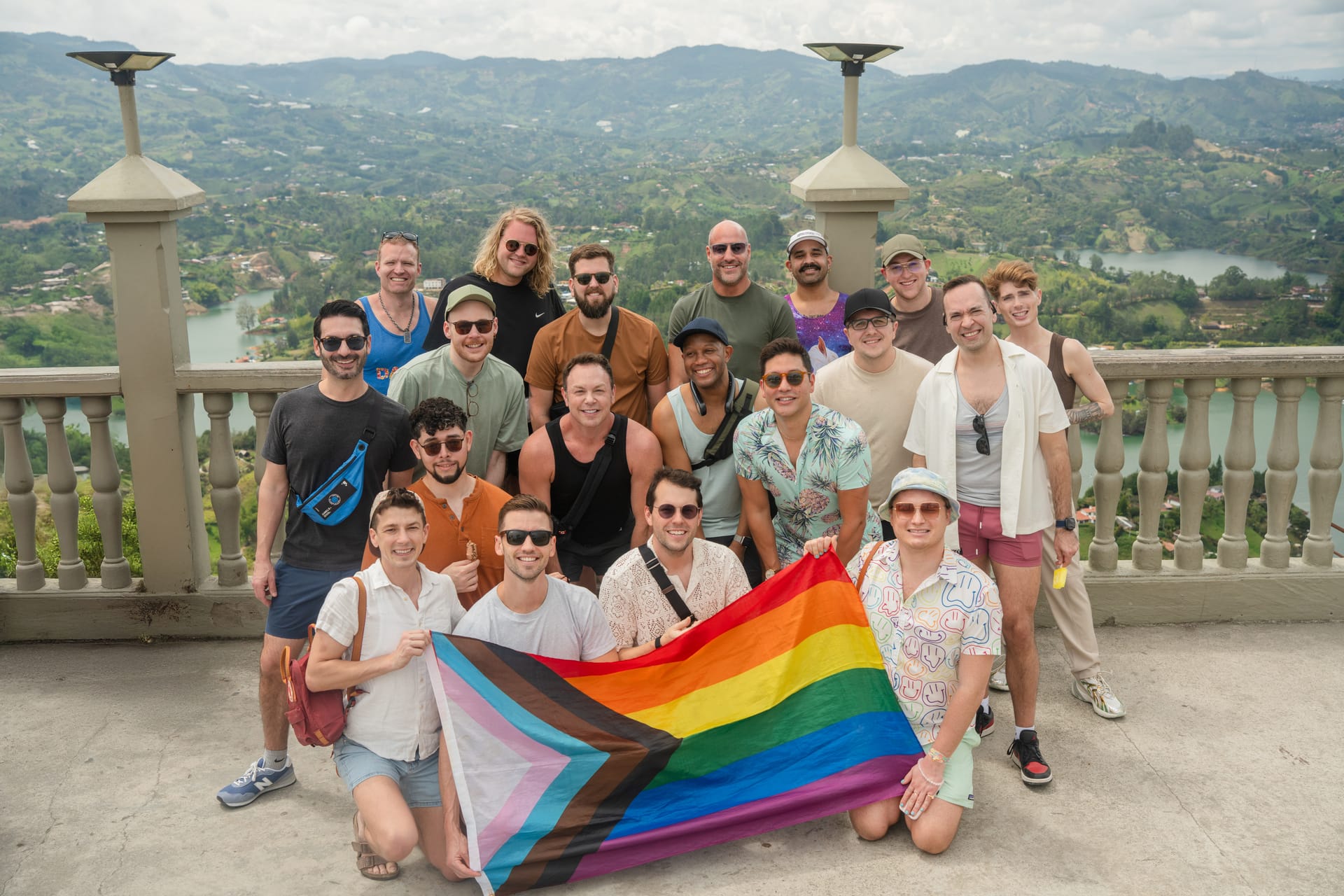
An LGBTQ+ travel company has hit back at legal action brought by the Boy Scouts of America, arguing the case raises wider questions about visibility, trademark enforcement and political pressure around inclusion.
Queer Scout and its parent company, OUT in Colombia, confirmed on 1 June - the first day of Pride Month - that they had formally responded to the lawsuit in a US federal court, seeking to have the case dismissed.
The Boy Scouts of America, which now operates publicly as Scouting America, launched legal action in February, alleging trademark infringement over the use of the word “scout”. The claim centres on whether Queer Scout’s branding could cause confusion with the long-established youth organisation.
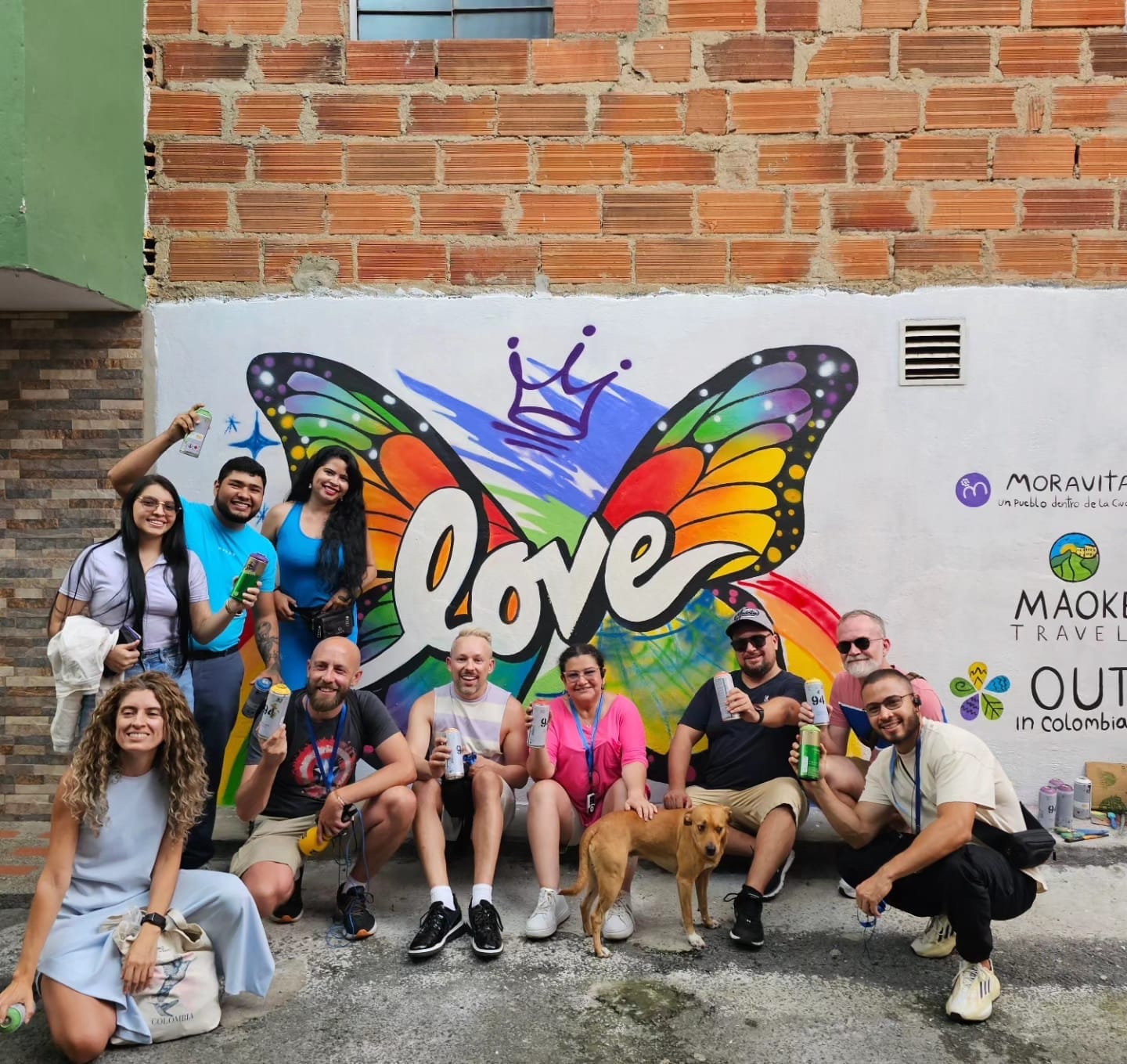
However, the defendants have strongly rejected that argument, pointing to the distinct nature of their business. Queer Scout offers LGBTQ+-focused travel experiences, including cultural tourism and nightlife activities, aimed at adults in Colombia.
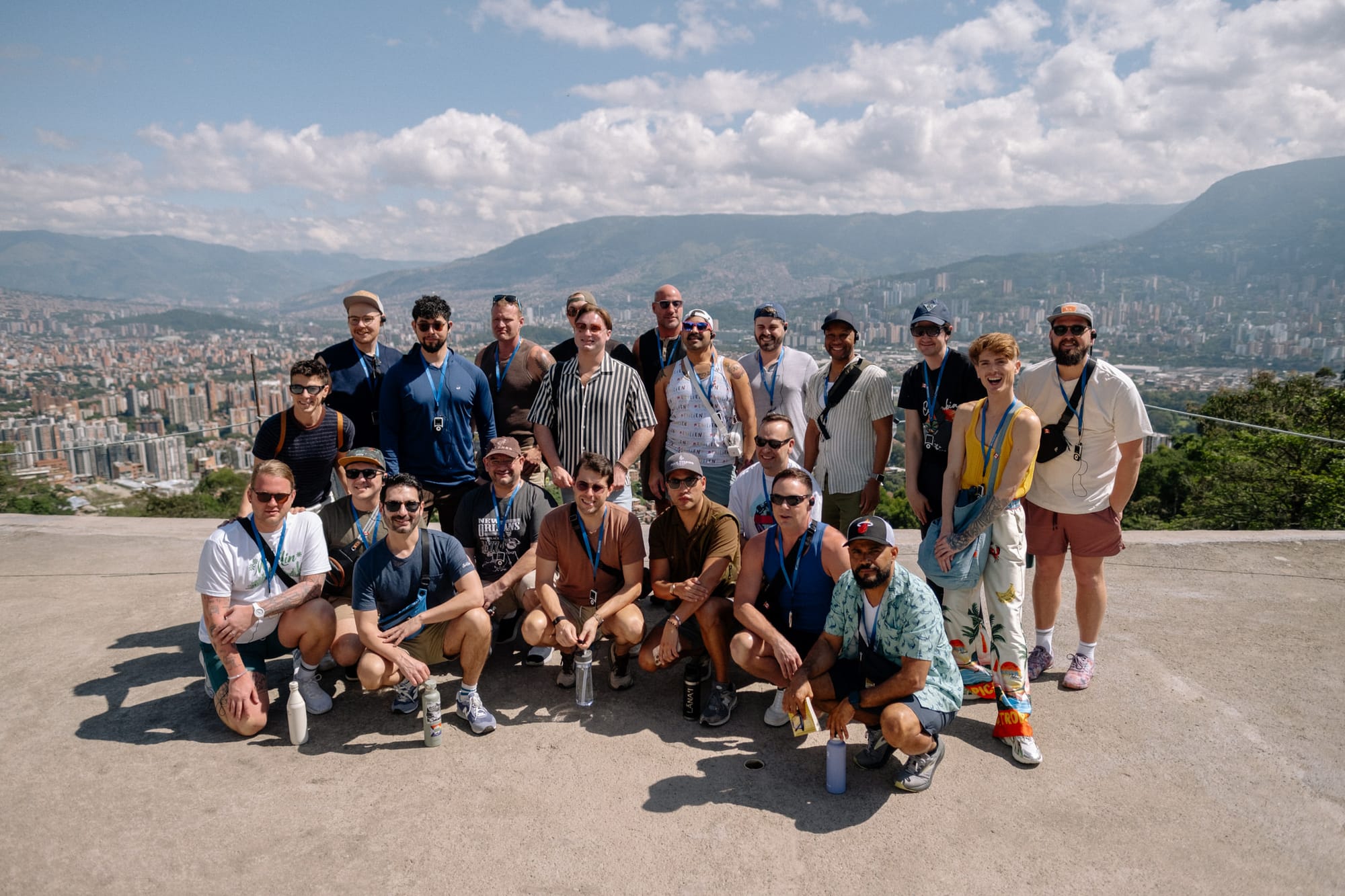
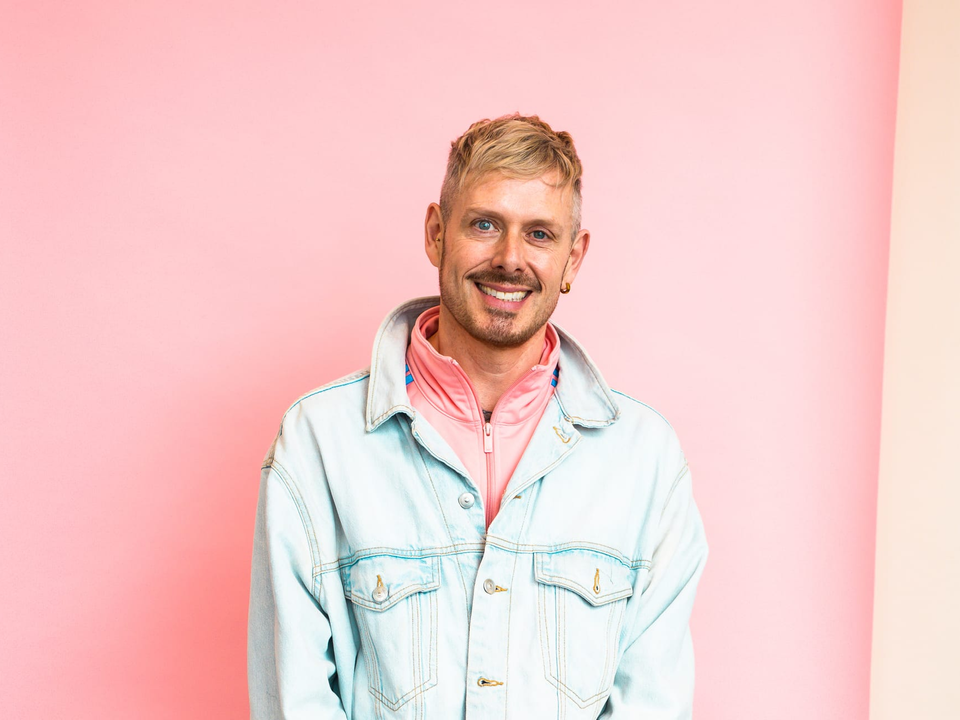
Sam Castañeda Holdren, founder of both OUT in Colombia and Queer Scout, said the dispute went beyond a conventional legal disagreement over naming rights.
“This case is about more than a name,” he said. “It is about visibility. It is about whether LGBTQ+ businesses are allowed to exist openly and proudly in public life without intimidation.”
He added that launching their response on the first day of Pride Month was deliberate. “Pride has always been about refusing to disappear - and today, we are choosing visibility over silence,” he said.
The company’s legal team, led by David G Bray of the US law firm Dickinson Wright, argued the lawsuit attempts to extend trademark protections too far, particularly over a commonly used word.
“Scouting America has filed a federal lawsuit seeking to significantly expand the scope of its trademark rights in the common term ‘scout’ and its ability to control who can and cannot use it,” Bray said. He added that the defence disputes any suggestion that “reasonable consumers would confuse a gay travel company serving adults in Colombia with a youth scouting organisation”.
The response also challenges the decision to bring the case in Texas, raising questions about jurisdiction as well as the legal basis of the claims.
The case has attracted attention in part because of the contrast between the parties involved. Holdren described it as “not a dispute between two giant corporations”, but rather a small business confronting a powerful, long-established organisation.
“I am an openly gay small-business owner standing up and saying: we have a right to exist openly, too,” he said.
The legal action has also unfolded against a backdrop of heightened debate over diversity and inclusion policies within Scouting America. The company said the lawsuit escalated during a period of political scrutiny, noting reports that the organisation’s relationship with the US Department of Defence had come under pressure in early February over its approach to LGBTQ+ inclusion.
Holdren said the timing had raised wider concerns. “People are naturally going to ask questions when an openly LGBTQ+ company becomes the target of aggressive federal litigation during a period of escalating political pressure surrounding LGBTQ+ visibility and inclusion,” he said.
Legal representatives for Queer Scout have also pointed to the broader context of trademark use in the United States, noting that a number of registered trademarks containing the word “scout” coexist across different industries. They argue this raises questions about consistency and fairness in enforcement.
Bray said the case could have implications beyond the immediate dispute. “Trademark law has limits,” he said. “This case raises important questions about fairness, due process, and the scope of trademark rights when common language is used in unrelated industries and contexts.”
The defence effort is being supported by a fundraising campaign, which Holdren said had enabled the company to assemble a legal team and challenge the claim publicly.
“Many small businesses never get the opportunity to meaningfully defend themselves when faced with this kind of pressure,” he said. “This fight has only been possible because people across the LGBTQ+ community and beyond recognised that this case is bigger than us.”
As Pride Month begins, Holdren said the company intends to continue the case as a broader statement about representation.
“Pride Month exists because visibility matters,” he said. “We are here. We are visible. And we are not going away.”
Scene was founded in Brighton in 1993, at a time when news stories about Pride protests were considered radical.
Since then, Scene has remained proudly independent, building a platform for queer voices. Every subscription helps us to report on the stories that matter to LGBTQ+ people across the UK and beyond.
Your support funds our journalists and contributes to Pride Community Foundation’s grant-making and policy work.


Member discussion