



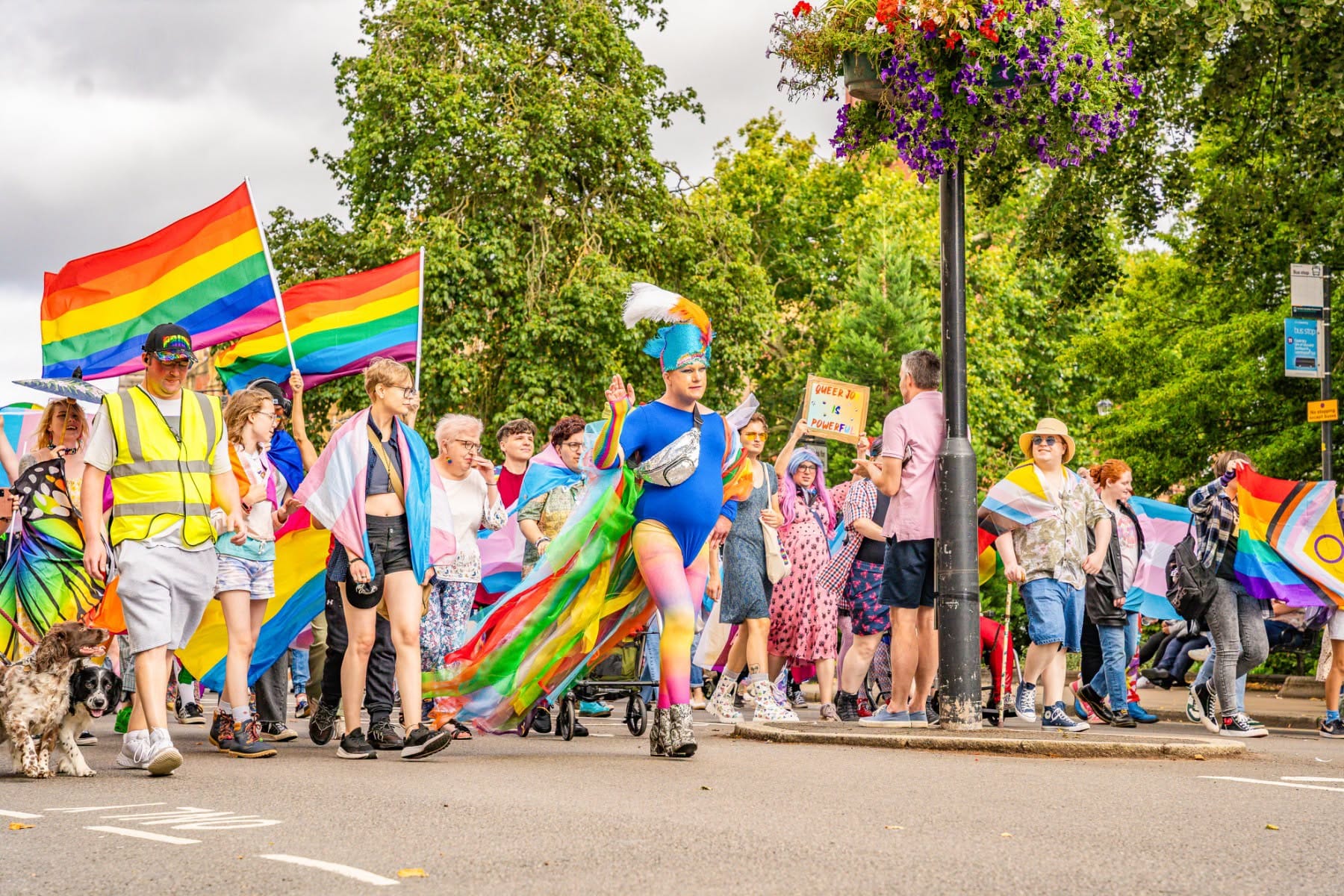
Warwickshire Pride has condemned plans by Reform UK-run Warwickshire County Council to introduce new restrictions affecting LGBTQ+ visibility in libraries, despite reports that a review found no evidence to support concerns about inappropriate Pride displays or LGBTQ+ books.
The LGBTQ+ organisation said the council's decision to press ahead with changes to library selection criteria, display guidance and corporate branding amounted to an attempt to limit public visibility of LGBTQ+ people and communities.
The row follows concerns raised by the county council's Reform administration about Pride displays and LGBTQ+ content in libraries, which were reportedly prompted by complaints that some material was unsuitable for children. However, Warwickshire Pride said checks carried out in libraries failed to substantiate those allegations and instead demonstrated that library staff were acting professionally and appropriately.
Despite this, the council is expected to continue with proposed changes, prompting criticism from campaigners who argue the measures are politically motivated.
In a statement published on social media, Warwickshire Pride accused the administration of using child protection as a justification for restricting LGBTQ+ representation in public spaces.
"It is censorship dressed up as child protection," the group said. "LGBTQ+ people are not inappropriate. Our identities are not inappropriate. Our relationships, our families, our history and our existence are not inappropriate for children to see."
The organisation argued that age-appropriate LGBTQ+ books and displays can play an important role in helping children understand different families and communities, while also providing reassurance and visibility for LGBTQ+ young people.
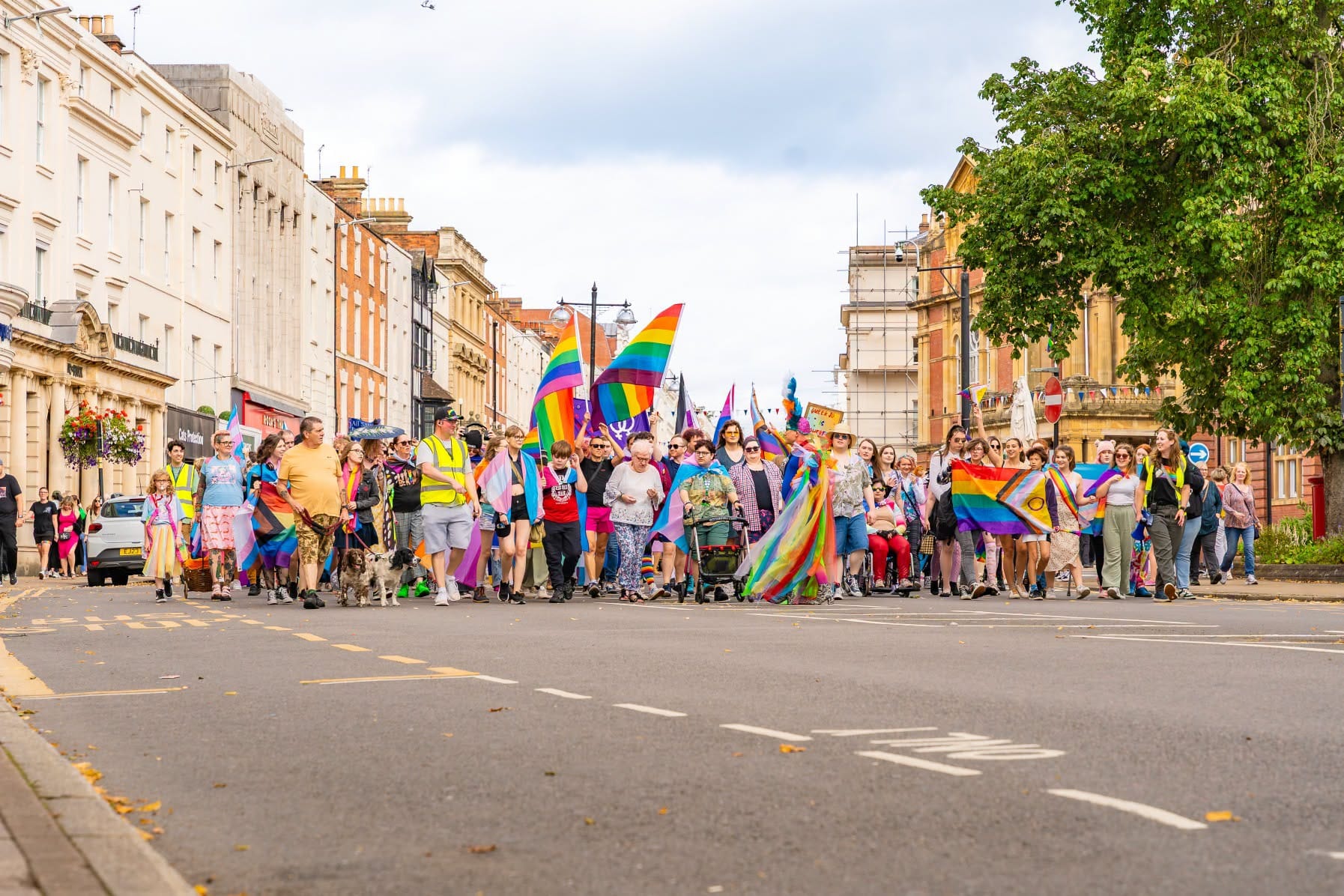
Warwickshire Pride stressed that there is a significant difference between ensuring library materials are suitable for children and restricting content because it features LGBTQ+ identities or experiences.
"Children do not need protecting from the existence of LGBTQ+ people," the statement said. "LGBTQ+ people need protecting from prejudice, discrimination and the deliberate erasure of our existence from public spaces."
The group also questioned why the administration was continuing with the proposed changes if its review had failed to find evidence supporting the original concerns.
Campaigners said residents deserved answers about why restrictions were being pursued and what evidence justified treating LGBTQ+ content differently from other material available in libraries.
The organisation linked the controversy to what it described as a wider pattern of statements and actions that have raised concerns about the administration's attitude towards LGBTQ+ communities.
Warwickshire Pride also argued that the council's focus was misplaced at a time when the county faces wider challenges, including pressures on social care, road maintenance and support for children and young people with special educational needs and disabilities.
"Residents have every right to question why this is being prioritised over the public services they depend upon," the group said.
The charity called on the council to abandon the proposed restrictions, publicly explain the rationale behind the changes, respect the professional judgement of library staff and stop treating LGBTQ+ identities as inherently controversial or unsuitable for children.
It said public libraries should remain welcoming spaces that reflect the diversity of the communities they serve, with decisions on books and displays guided by evidence, safeguarding considerations and professional expertise rather than politics.
Warwickshire Pride said it would continue campaigning against the proposals and defending LGBTQ+ visibility in public life.
"We will not accept a return to a time when LGBTQ+ people were expected to remain hidden," the statement said. "We are here. We belong here. And we will not be erased."
Scene was founded in Brighton in 1993, at a time when news stories about Pride protests were considered radical.
Since then, Scene has remained proudly independent, building a platform for queer voices. Every subscription helps us to report on the stories that matter to LGBTQ+ people across the UK and beyond.
Your support funds our journalists and contributes to Pride Community Foundation’s grant-making and policy work.


Member discussion