



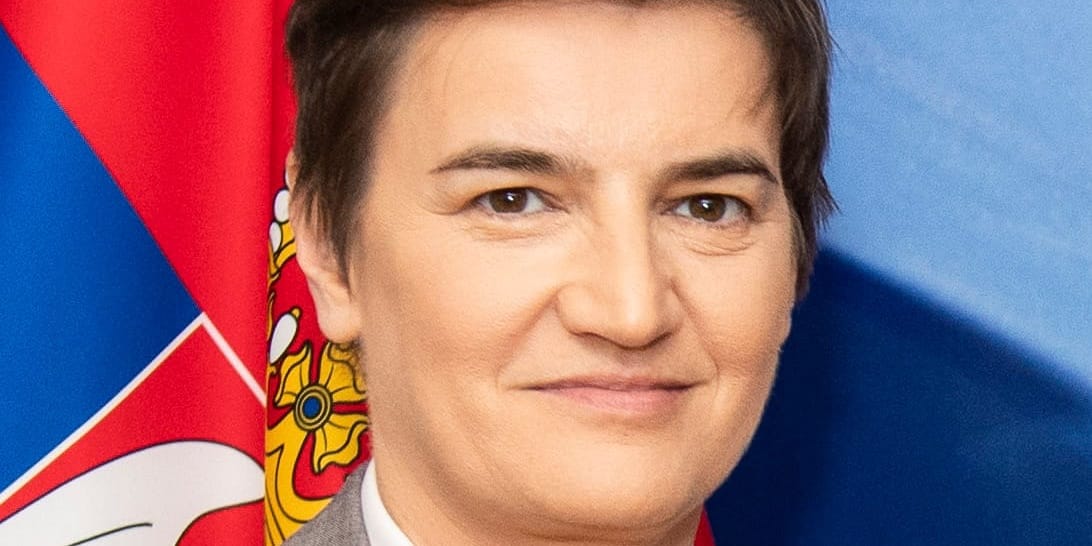
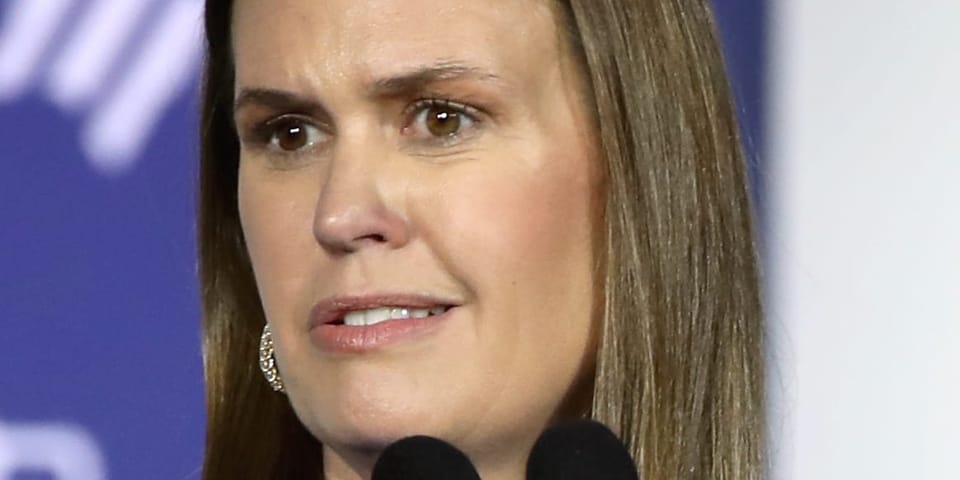
Ana Brnabić has made LGBTQ+ political history for a second time after becoming acting president of Serbia, making her the first openly gay person to serve as head of state in a Balkan country.
Brnabić, who became Serbia’s first female and first openly lesbian prime minister in 2017, assumed the presidential role on 28 September following the resignation of President Aleksandar Vučić. Under Serbia’s constitution, the speaker of parliament takes over presidential duties until a new election can be held.
The 51-year-old politician is expected to serve in the role on an interim basis, with Serbia required to hold a presidential election within three months.
Brnabić’s elevation has been hailed as a significant milestone for LGBTQ+ visibility in a region where queer people continue to face legal and social challenges. It marks the first time an openly LGBTQ+ politician has served as a head of state in the Balkans.
However, her legacy within Serbia’s LGBTQ+ community remains complicated. Although Brnabić became the first Serbian prime minister to attend Belgrade Pride and has long been open about her relationship with partner Milica Đurđić, activists have criticised her for failing to secure major advances in LGBTQ+ rights during her time in government.
Serbia still does not recognise same-sex marriage or civil partnerships, and same-sex couples cannot jointly adopt children. LGBTQ+ campaigners have argued that Brnabić’s historic presence in office did not translate into the legal reforms many had hoped for.
When she first became prime minister, Brnabić said she did not want to be defined solely by her sexuality, insisting she wanted to be judged on her competence and leadership rather than as “Serbia’s gay PM”.
Scene was founded in Brighton in 1993, at a time when news stories about Pride protests were considered radical.
Since then, Scene has remained proudly independent, building a platform for queer voices. Every subscription helps us to report on the stories that matter to LGBTQ+ people across the UK and beyond.
Your support funds our journalists and contributes to Pride Community Foundation’s grant-making and policy work.


Member discussion