



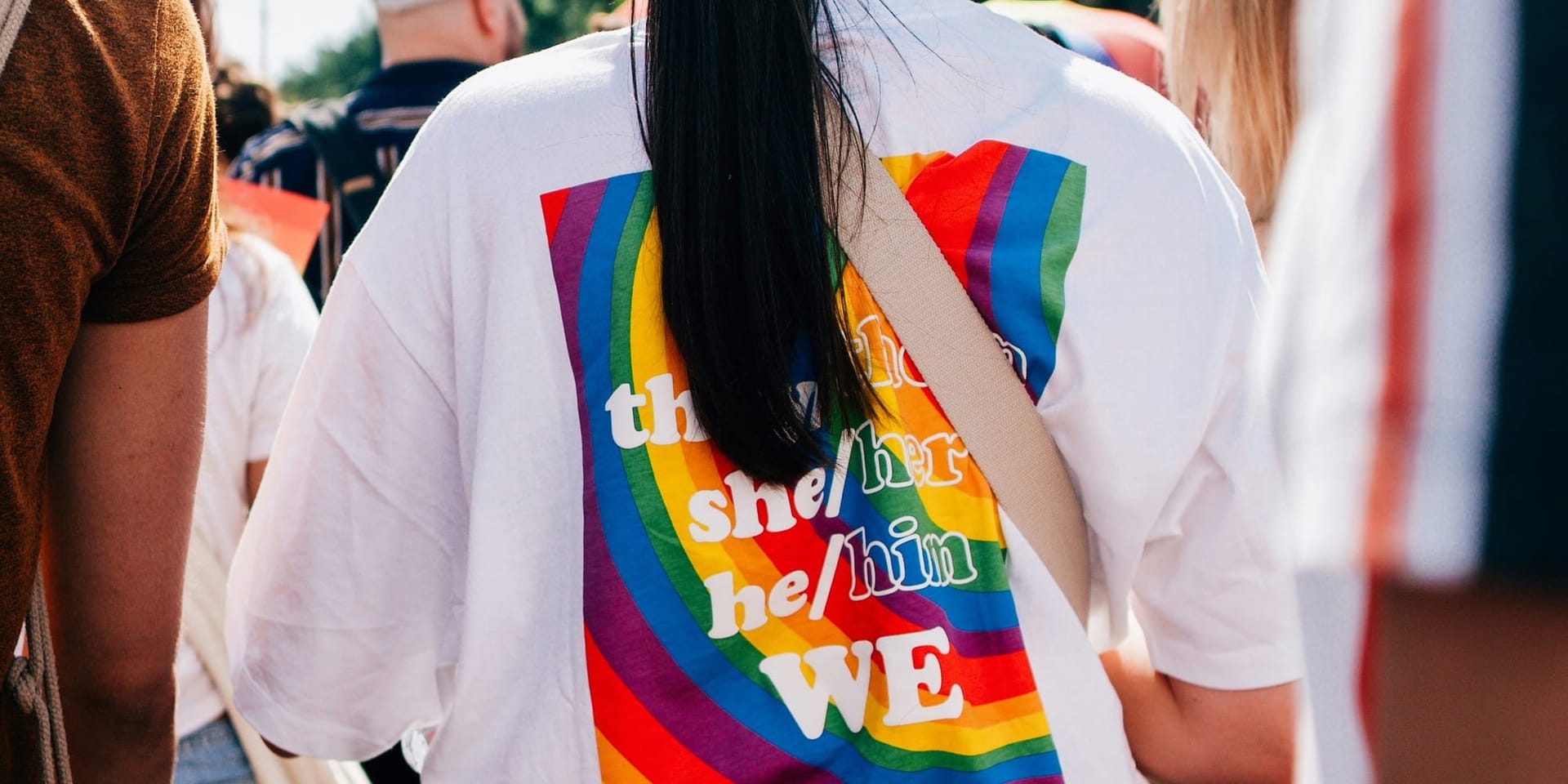
Hungary's parliament has voted to repeal controversial provisions in its child protection legislation that campaigners said stigmatized LGBTQ+ people, marking one of the most significant reversals of former prime minister Viktor Orbán's social policies. The amendments were approved on Tuesday by the government of Prime Minister Péter Magyar, which has been working to dismantle parts of Orbán's legacy since taking office earlier this year.
The changes remove measures introduced under the 2021 Child Protection Law that banned the "portrayal or promotion of homosexuality or transgenderism". Critics argued the legislation fuelled discrimination against LGBTQ+ people and restricted discussion of sexual orientation and gender identity in schools, media and public life.
LGBTQ+ organisations welcomed the vote, although activists said further reforms are needed. "We are very happy that this got adopted," Tamás Dombos of Hungary's Háttér Association told the BBC. "We've been fighting this so-called child protection law for five years." He added that while there had been concerns about the draft legislation, "most of those problems have been fixed".
The reforms form part of a broader package of laws aimed at unwinding legislation passed during Orbán's time in office. The governing Tisza party holds the same two-thirds parliamentary majority previously enjoyed by Orbán's Fidesz party, giving it the power to make sweeping legislative changes.
The vote came shortly before Hungary announced that the European Union had agreed to release €4.2 billion (£3.5 billion) in previously frozen funds. The European Commission recently said the Magyar government had addressed a number of rule-of-law concerns and recommended that EU leaders restore access to funding programmes including Erasmus+ and Horizon Europe.
The child protection law became one of the defining issues of Orbán's final years in power. While the former prime minister presented the legislation as necessary to protect children, opponents argued it deliberately conflated LGBTQ+ identities with risks to young people and curtailed fundamental rights.
Its unravelling follows a dramatic shift in Hungary's political landscape. In 2025, an estimated quarter of a million people took part in Budapest Pride despite efforts by the Orbán government to prevent the march from going ahead. Police ultimately did not intervene and proceedings against organisers were later dropped. This year's Pride event took place without restrictions.
Campaigners say Hungary still has considerable ground to make up on LGBTQ+ equality. Dombos called on the government to address issues including legal recognition for transgender people, adoption rights for same-sex couples and full recognition of same-sex marriages.
"We are still knocking on a closed door," he said. "But at least they are listening on the other side."
Magyar has so far taken a cautious approach to LGBTQ+ rights, seeking to soften some legislation without explicitly positioning his government as socially liberal. In a recent interview with Finnish newspaper Helsingin Sanomat, he said: "As prime minister, it's my duty to represent all Hungarians, and we have sensitive issues, such as the situation of sexual minorities."
Fidesz and its coalition partner, the Christian Democrats, voted against the amendments. In a statement, the Christian Democrats said there remained "no place for the promotion of LGBTQ content in schools or the media".
Scene was founded in Brighton in 1993, at a time when news stories about Pride protests were considered radical.
Since then, Scene has remained proudly independent, building a platform for queer voices. Every subscription helps us to report on the stories that matter to LGBTQ+ people across the UK and beyond.
Your support funds our journalists and contributes to Pride Community Foundation’s grant-making and policy work.


Member discussion