



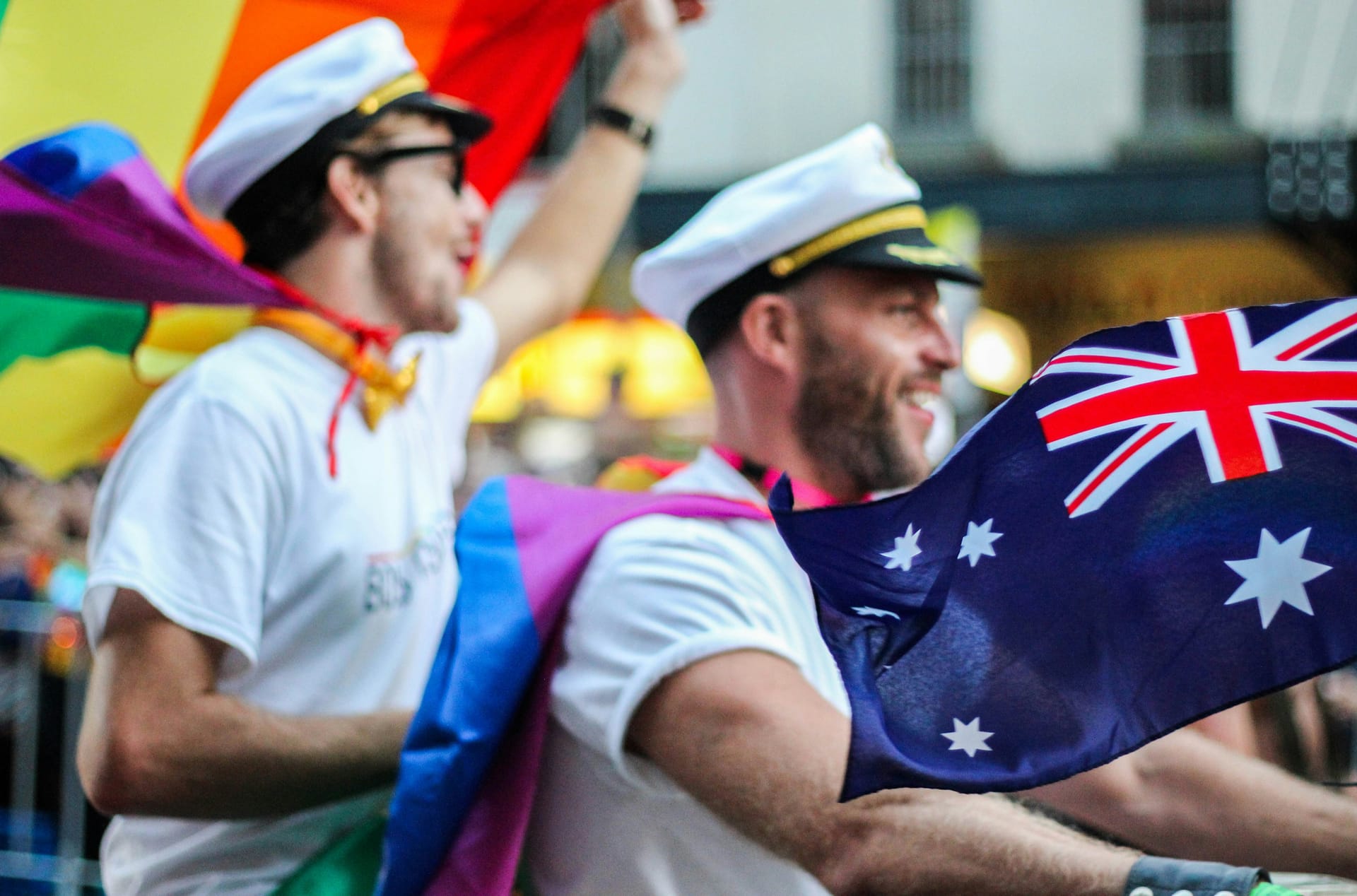
Thousands of LGBTQ+ Australians can now donate blood for the first time after changes to national eligibility rules came into effect on Monday, removing longstanding restrictions based on gender and sexual orientation.
Under the new system, Australian Red Cross Lifeblood will ask all donors the same questions about recent sexual activity, regardless of gender or sexuality, replacing policies that previously barred many gay and bisexual men and some transgender people from donating blood if they had recently had sex.
The update is expected to unlock up to 20,000 additional blood donations each year, according to Lifeblood, as more people in long‑term, monogamous relationships become eligible to give blood or platelets .
Previously, eligibility rules introduced during the HIV/AIDS crisis in the 1980s restricted donations from men who have sex with men, regardless of individual risk. While those rules had been gradually eased in recent years, many in the LGBTQ+ community continued to describe them as stigmatising and exclusionary.
Lifeblood chief executive Stephen Cornelissen said the change followed years of research, consultation and regulatory approval, and had been designed to improve inclusivity while maintaining the safety of the blood supply. “Patient safety will always be our top priority,” he said, adding that some donors may still be required to wait or donate plasma instead.
The rule change builds on reforms introduced in July 2025 that removed most waiting periods for plasma donations, resulting in around 10,000 plasma donations from more than 3,000 new donors, including LGBTQ+ people and sex workers.
Advocacy groups who have long campaigned for reform welcomed the move as a significant step towards equality. Let Us Give, a group that has called for an end to what it termed the “gay blood ban”, said the change represented the culmination of decades of activism and scientific evidence.
Healthcare workers and first‑time donors also welcomed the change, with some describing it as a meaningful moment of inclusion after years of being unable to contribute to a service they regularly relied on in their professional or personal lives.
Lifeblood said it hoped the new rules would encourage more people to donate at a time when demand remains high, with around 33,000 blood, plasma and platelet donations needed each week across Australia to support treatments including cancer care, trauma and surgery.
Scene was founded in Brighton in 1993, at a time when news stories about Pride protests were considered radical.
Since then, Scene has remained proudly independent, building a platform for queer voices. Every subscription helps us to report on the stories that matter to LGBTQ+ people across the UK and beyond.
Your support funds our journalists and contributes to Pride Community Foundation’s grant-making and policy work.



Member discussion