



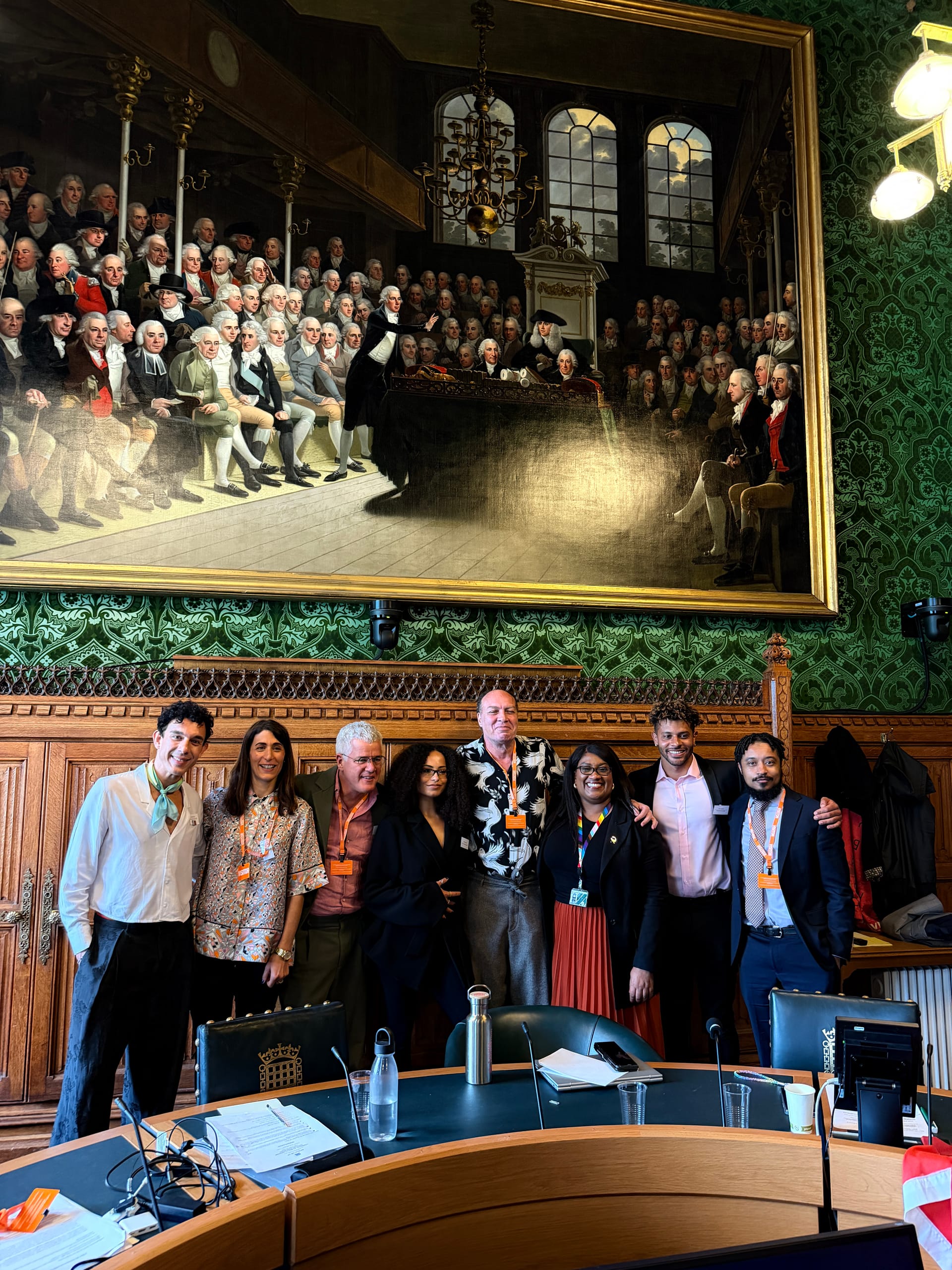
The UK Supreme Court judges sitting as the Judicial Committee of the Privy Council (JCPC) are set to hear a landmark appeal next month that could pave the way for the decriminalisation of same-sex relationships in Trinidad and Tobago and across parts of the Commonwealth.
The case has been described by campaigners as a once-in-a-generation moment for LGBTQ+ rights, with a ruling expected to have far-reaching implications for up to 11 Caribbean nations and 34 Commonwealth countries where same-sex intimacy remains illegal.
The appeal, brought by British Trinidadian campaigner Jason Jones, challenges colonial-era “buggery laws” that criminalise consensual same-sex activity between adults. The legislation dates back to British rule and continues to shape legal systems across the Caribbean.
Mr Jones, who left Trinidad and Tobago in 1996 following homophobic violence and discrimination, will have his final appeal heard in London on 8 July. The hearing marks the culmination of a decade-long legal battle.
He first secured a landmark victory in 2018, when Trinidad and Tobago’s High Court ruled the laws unconstitutional. That judgment was subsequently cited in similar cases across countries including India, Antigua and Barbuda and St Lucia. However, the nation’s Court of Appeal partially overturned the decision in March 2025, citing the so-called “savings clause” in the constitution.
The provision shields laws enacted before independence from legal challenge, even if they conflict with later human rights protections. Similar clauses remain in place in several former British colonies.
Campaigners argue the Privy Council, as the final court of appeal for Trinidad and Tobago, now has a historic opportunity to dismantle a legal framework rooted in the legacy of empire.
“This is the last human identity to be criminalised anywhere in the world,” Mr Jones said. “On 8 July, a court in London will decide whether that changes for millions of LGBTQ+ individuals not just in the Caribbean, but across the globe.”
He urged supporters to contact MPs and demonstrate outside the Privy Council on the day of the hearing, describing the case as “our last chance” for widespread decriminalisation.
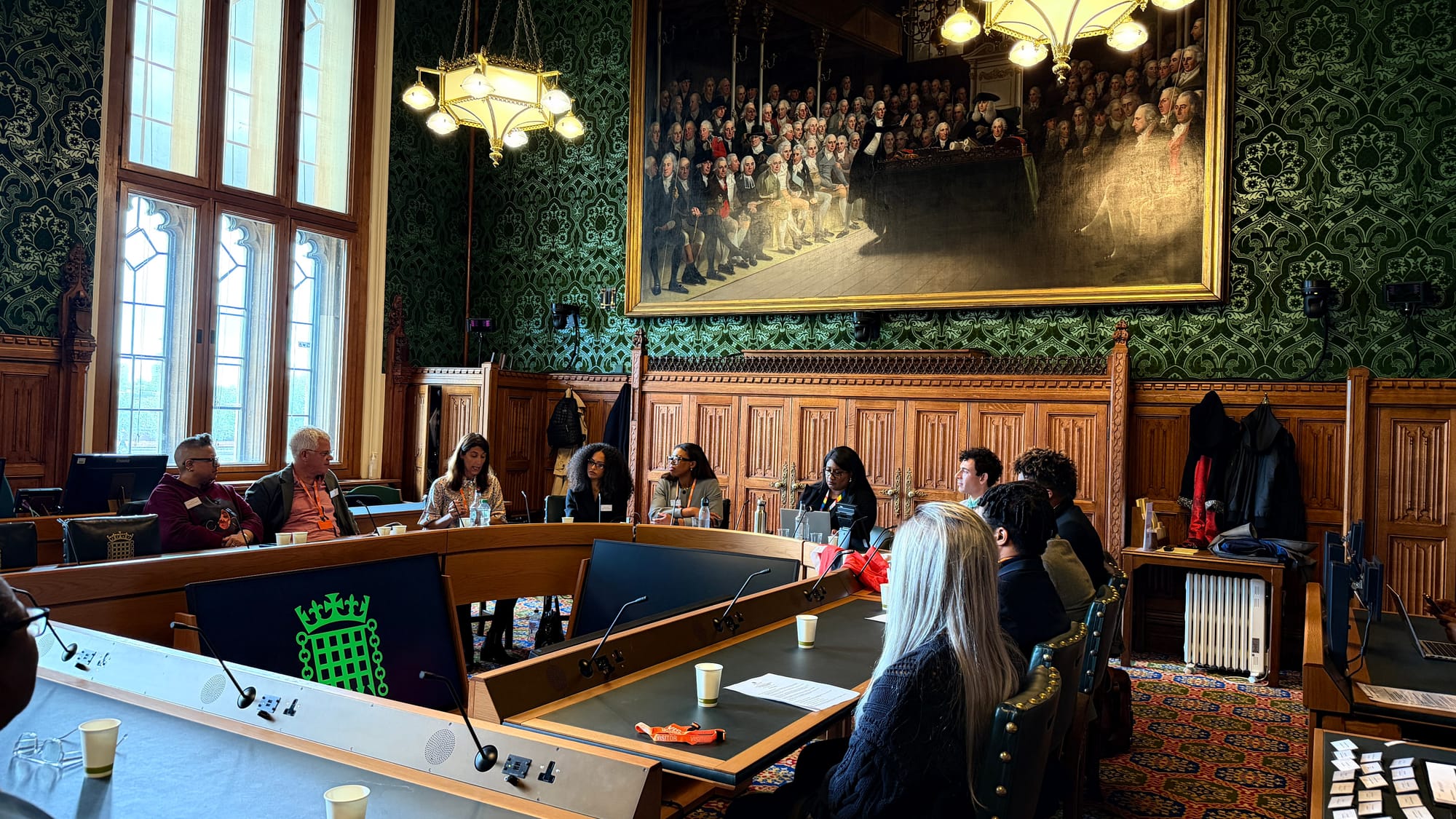
The hearing will mark the first time the JCPC has considered a case directly addressing the criminalisation of homosexuality. A ruling in Mr Jones’s favour would immediately decriminalise same-sex intimacy in Trinidad and Tobago and could set a legal precedent for reform in other jurisdictions with similar constitutional protections.
Conversely, campaigners warn that an adverse judgment could entrench existing laws and influence future legal challenges, including in British courts.
Support for the case has been building in the UK ahead of the hearing. TV personality Amber Rose Gill and Labour MP Bell Ribeiro-Addy are among figures backing the campaign.
Speaking during Pride Month, Ms Gill said the case was about “whether your cousin, your neighbour or your child can live safely and openly as who they are”.
“As a member of the LGBTQ+ community with Trinidadian roots, this case is deeply close to my heart,” she added.
Ms Ribeiro-Addy, who recently hosted a parliamentary reception in support of the appeal, said Britain must confront the enduring impact of its colonial laws.
“It is difficult to stand in Parliament during Pride Month and call Britain a champion of equality when colonial laws left by the British Empire are still sending people to prison simply for who they are,” she said. “The hearing on 8 July is a chance for the UK to confront that legacy.”
Across the Commonwealth, campaigners estimate that millions of LGBTQ+ people remain affected by laws inherited from British rule. Public health organisations have also warned of the wider consequences of criminalisation. UNAIDS has found that HIV prevalence among gay men is five times higher in countries where same-sex relations are criminalised than in those where they are not.
As momentum builds, activists are calling for greater public awareness and political support. A fundraiser will be held in Victoria on 9 June, followed by a rally at Pride in London in Trafalgar Square on 4 July.
Campaigners are also urging supporters to gather outside the Privy Council on the day of the hearing, in what they describe as a pivotal moment for LGBTQ+ rights in the Commonwealth.
Scene was founded in Brighton in 1993, at a time when news stories about Pride protests were considered radical.
Since then, Scene has remained proudly independent, building a platform for queer voices. Every subscription helps us to report on the stories that matter to LGBTQ+ people across the UK and beyond.
Your support funds our journalists and contributes to Pride Community Foundation’s grant-making and policy work.





Member discussion