



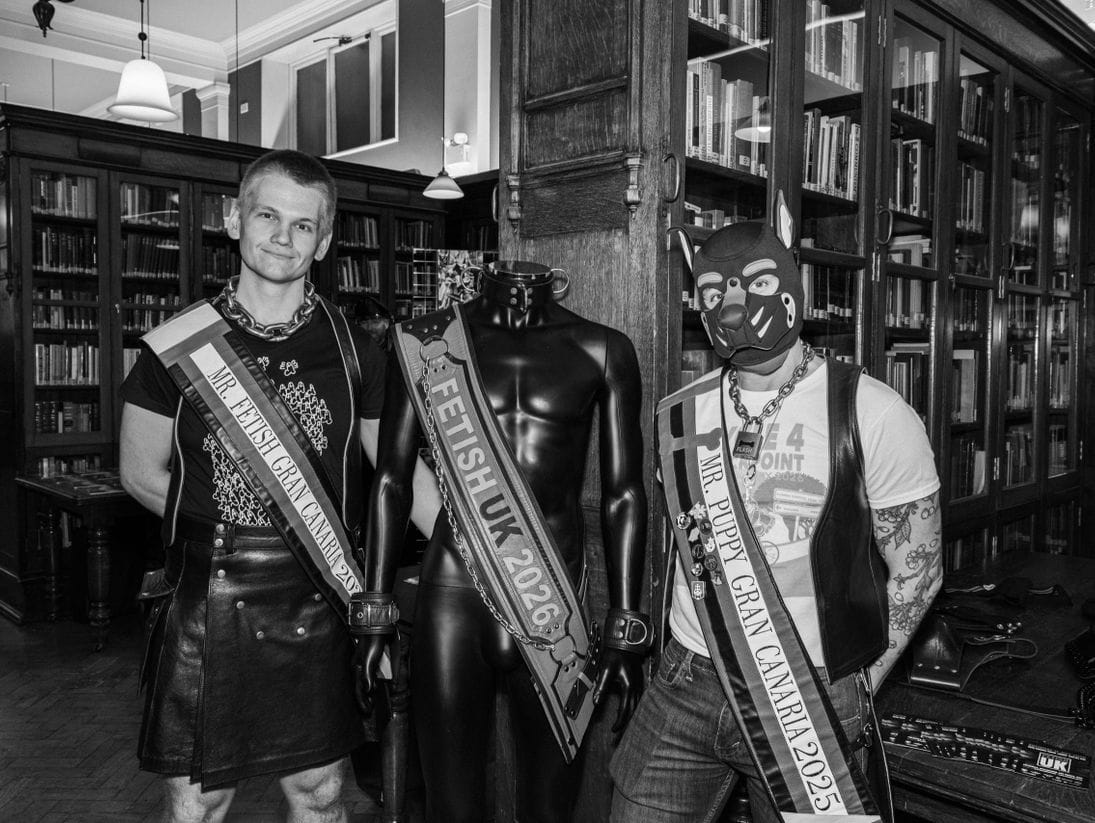
A new national title is launching this summer with an ambitious aim: to change how the UK’s fetish, kink and BDSM communities see themselves - and who gets to represent them.
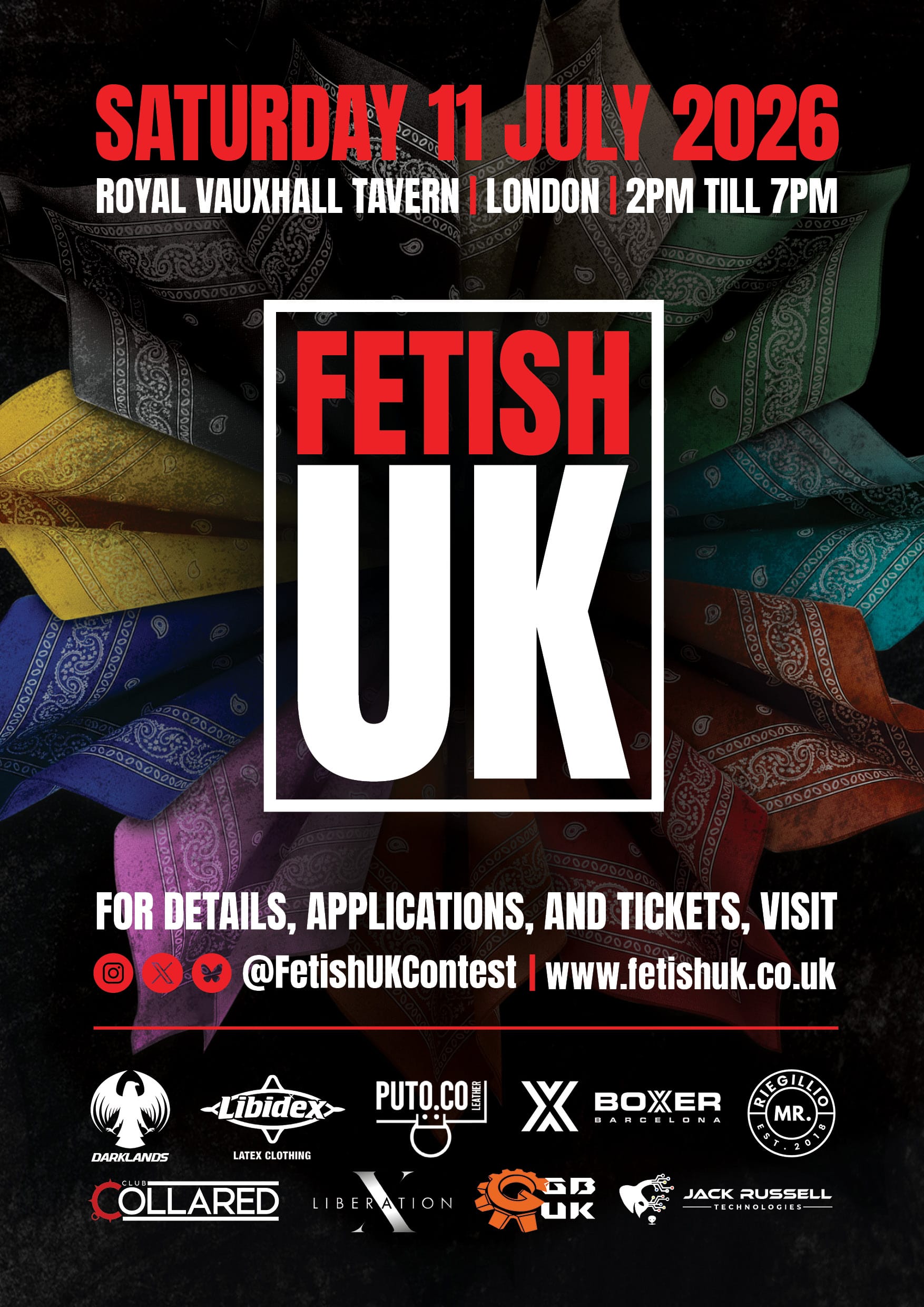
Fetish UK, which debuts at London's Royal Vauxhall Tavern on Saturday, 11 July, is positioning itself as a more inclusive alternative to traditional contest formats that have long defined the international fetish scene. Events such as Mr Leather, Mr Rubber and Mr Puppy have carved out distinct identities around specific subcultures, often with clearly defined - and sometimes restrictive - categories.
Fetish UK is taking a different approach.
The contest removes the traditional “Mr” label entirely, opening participation to people of all genders, sexualities and identities, regardless of their particular fetish or place within the scene. The result, organisers say, is a broader and more representative platform that reflects the diversity of modern queer communities.
For Emrys, also known as Mr Fetish Gran Canaria and the driving force behind the initiative, that shift is long overdue.
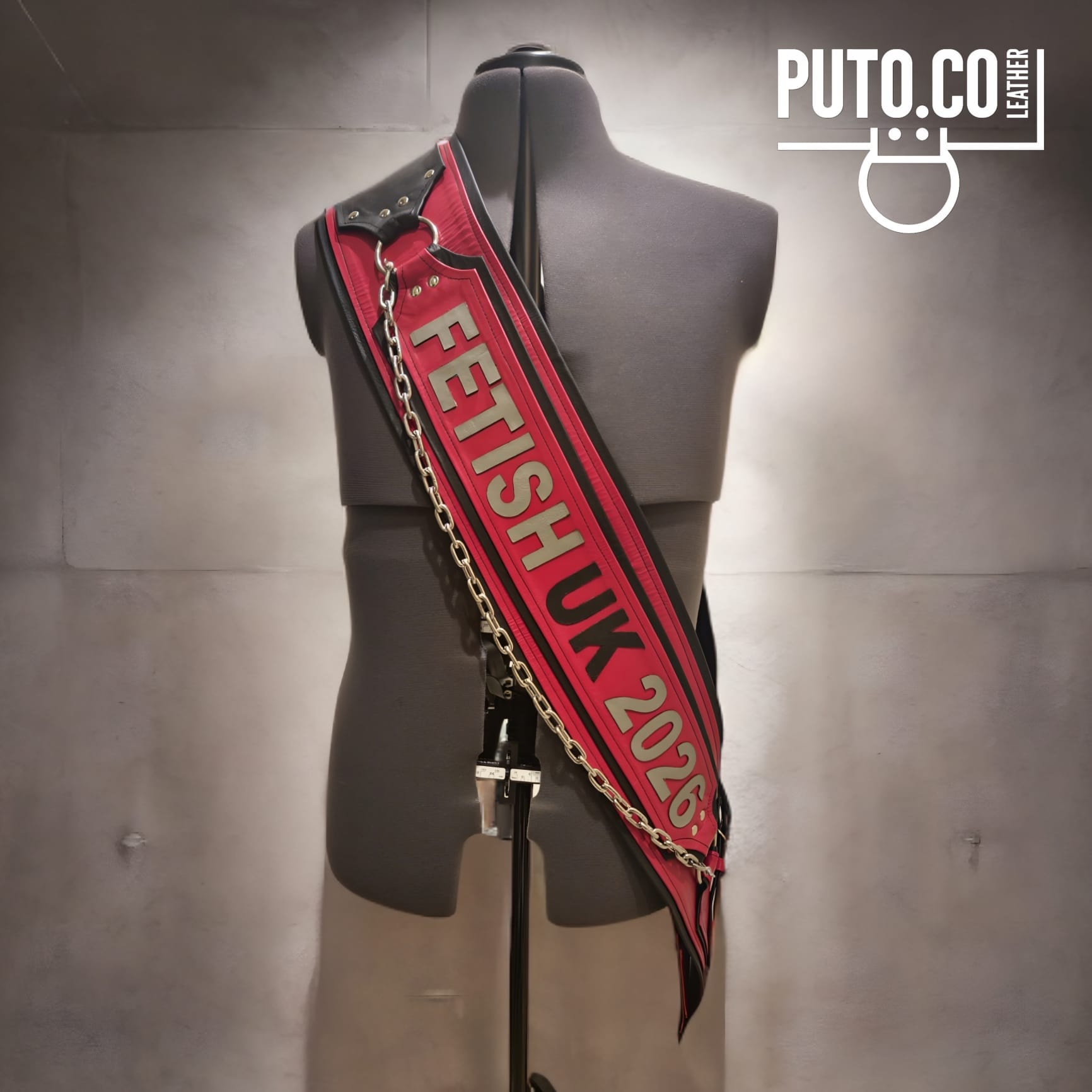
“Fetish UK is a community-focused title that celebrates the people who make the UK’s fetish, kink and BDSM communities such vibrant, welcoming and diverse spaces,” he says. “It’s about recognising the individuals who give their time, energy and passion to supporting others, building connections and helping our communities thrive.”
At its core, the new title is less about crowns and competition, and more about contribution. While traditional fetish titles have often celebrated visibility and personal presence, Fetish UK aims to spotlight the work happening behind the scenes - from event organisers and volunteers to mentors, educators and activists.
“What matters isn’t who you are or how you identify, but the positive impact you have on the people and communities around you,” Emrys says.
That ethos runs throughout the structure of the contest. Confidence, personality and self-expression remain important, but they are not the sole focus. Instead, judges and organisers are looking for people who actively support others and strengthen the community.
“Whether that’s organising events, mentoring newcomers, supporting charities or simply being a positive and supportive presence, Fetish UK aims to celebrate those who help bring the community together,” Emrys explains.
The initiative is also firmly rooted in accessibility. By removing gendered titles and category boundaries, Fetish UK opens the door to participants who may previously have felt excluded or overlooked.
“The fetish community is made up of people from all backgrounds, identities and experiences, and Fetish UK reflects that diversity,” Emrys says. “Open to people of all genders, the title creates a space where everyone can take part, be represented and be recognised.”
That inclusivity extends beyond the contestants themselves. Organisers are keen to stress that the titleholder will not be elevated above the community, but will instead act as part of it – a visible representative rather than a figure apart.
“Rather than placing one person above everyone else, Fetish UK is designed to highlight the strength of the community as a whole,” Emrys says. “The titleholder is part of that community, not separate from it.”
The launch comes at a time when the fetish scene in the UK – like many LGBTQ+ spaces – is evolving. As communities grow and diversify, there is increasing demand for spaces and platforms that reflect a broader range of experiences.
Fetish UK is also responding to ongoing conversations about visibility and public understanding. For Emrys, education plays a crucial role in shaping both internal community culture and external perception.
“By encouraging conversations around consent, communication, safety and inclusion, the title helps promote a better understanding of fetish and kink both within the community and beyond it,” he says. “It’s an opportunity to challenge stereotypes and show the positive impact that strong, supportive communities can have.”
The contest will also operate as a not-for-profit initiative, with organisers pledging that any proceeds will be reinvested directly into the community through future events, outreach projects and support initiatives.
That commitment reflects a wider philosophy underpinning the project: that the fetish scene is not just about self-expression, but about collective care and shared responsibility.
“Ultimately, Fetish UK is about celebrating people,” Emrys says. “It’s about recognising those who show up, get involved, support others and help create the welcoming and diverse community that so many of us value.”
It is also, he adds, about recognising the vast spectrum of identities and interests that make up the fetish world.
“From leather, rubber and latex to BDSM, puppy play and countless other forms of expression, there is no single way to be part of the fetish scene. Everyone’s journey is different.”
As the contest prepares to launch, organisers hope it will become more than just a new title – instead acting as a platform for connection, collaboration and visibility across the UK.
For those involved, the message is simple: if you care about your community, there is a place for you.
“No matter your background, identity or interests,” Emrys says, “if you’re passionate about community and committed to making a positive difference, Fetish UK is a place where those contributions can be recognised and celebrated.”
For more info, CLICK HERE
Scene was founded in Brighton in 1993, at a time when news stories about Pride protests were considered radical.
Since then, Scene has remained proudly independent, building a platform for queer voices. Every subscription helps us to report on the stories that matter to LGBTQ+ people across the UK and beyond.
Your support funds our journalists and contributes to Pride Community Foundation’s grant-making and policy work.

Member discussion