



A rapidly growing older LGBTQ+ population faces a future of poorer health, greater financial insecurity and increased social isolation unless urgent action is taken, a new report has warned.
Analysis by the Centre for Ageing Better found that older LGBTQ+ people are significantly more likely to live alone and less likely to have support networks than their heterosexual peers, while also facing disadvantages in housing, employment, health and access to services.
The charity's first dedicated State of Ageing LGBTQ+ spotlight report found that more than half of gay and bisexual men aged 65 and over live alone, compared with fewer than a quarter of heterosexual men.
Among people aged 50 to 64, gay men were more than twice as likely to live alone as heterosexual men, while bisexual women in the same age group were twice as likely to live alone as their heterosexual counterparts.
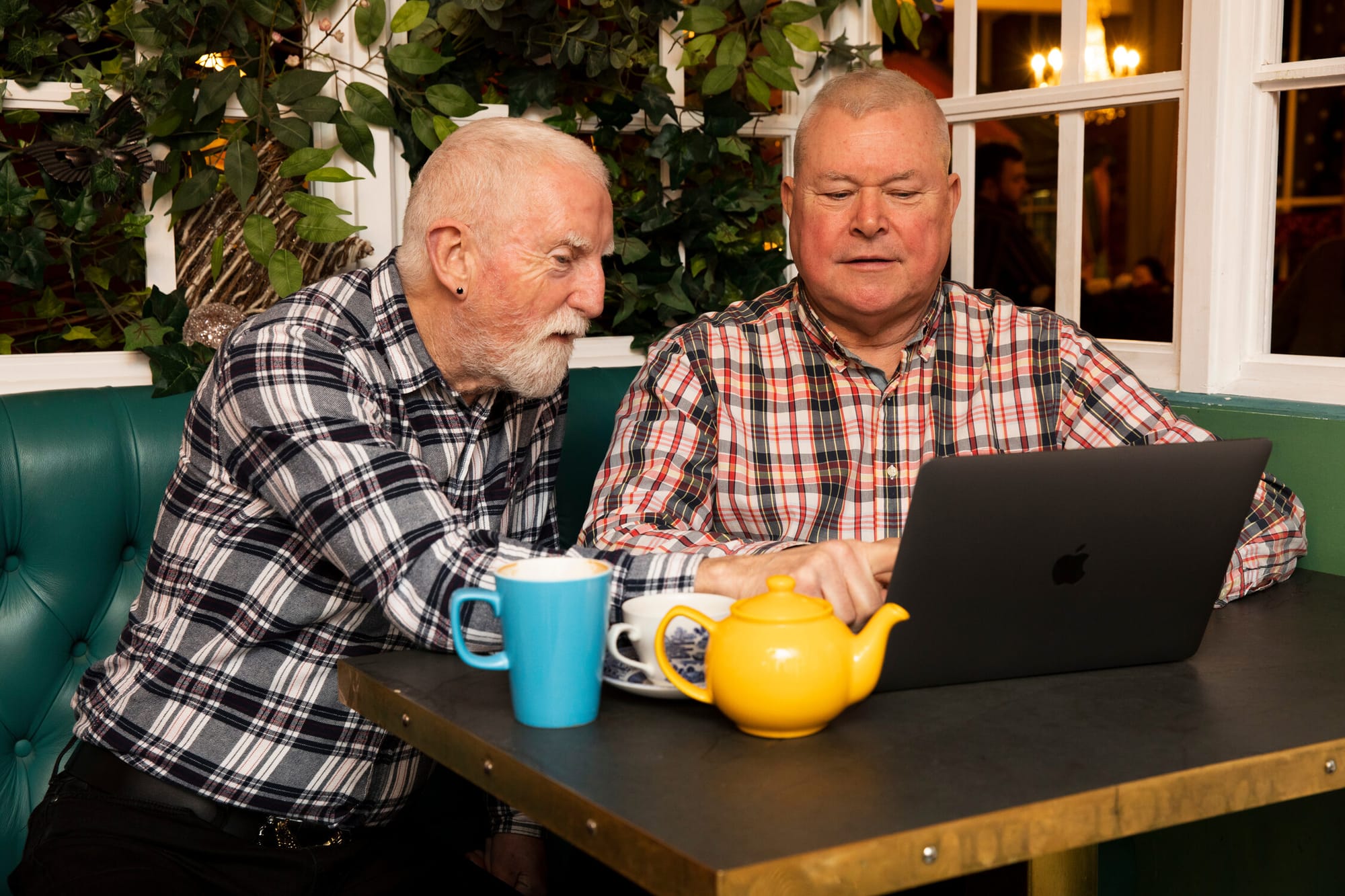
The report also found that only 55% of gay and bisexual men aged 50 and over said they definitely had someone they could rely on for help if needed, compared with 69% of heterosexual men.
Researchers warned that the challenges facing older LGBTQ+ people are becoming increasingly urgent as the size of the community continues to grow.
Between 2019 and 2024, the number of lesbian, gay and bisexual people aged 50 and over in the UK increased by a third, rising from 343,000 to 457,000. By comparison, the number of heterosexual people aged 50 and over grew by just 4% during the same period.
The report highlights what it describes as a postcode lottery in specialist support services. While London has 44 voluntary services for LGBTQ+ people aged over 50 listed by LGBT Consortium members, there are only two services in the East Midlands and two in the North East despite sizeable older LGBTQ+ populations in both regions.
Financial insecurity is another major concern. Less than half of LGBTQ+ adults are on track to meet their financial needs in retirement, according to the report. Researchers also found evidence that older gay men may face a higher risk of material deprivation, while older trans people, disabled LGBTQ+ people and those from racially minoritised backgrounds may experience particular economic disadvantage.
Significant health inequalities were also identified. Among women aged 50 to 64, 16% of bisexual women reported being in bad or very bad health, compared with 8% of heterosexual women. The gap was similar among men, with 14% of bisexual men reporting poor health compared with 8% of heterosexual men.
LGBTQ+ people aged 50 and over were also almost twice as likely as heterosexual people to live in private or social rented accommodation. The report notes that rented homes are more likely to be damp, cold or hazardous, while older private renters are far more likely to experience poverty than homeowners.
Sarah Wilkinson, Research and Analysis Manager at the Centre for Ageing Better, said many of the inequalities highlighted in the report stemmed from a lifetime of discrimination. "The cumulative disadvantage that our spotlight report highlights is often the result of a lifetime of homophobia and transphobia, which can significantly affect wellbeing and quality of life," she said.
"While older LGBTQ+ people have been at the forefront of great social progress, they have also weathered societal discrimination including criminalisation and abusive conversion therapies in the most extreme cases.
"Now in their later lives, older LGBTQ+ people face the additional and overlapping challenge of ageism."
Wilkinson said many older LGBTQ+ people had concerns about discrimination when accessing services, which could lead to people delaying or avoiding support.
She added that LGBTQ+-led services often remained concentrated in areas with larger LGBTQ+ populations and that many community organisations faced funding pressures.
The Centre for Ageing Better is calling on the Government to better plan for the needs of older LGBTQ+ people, including improved housing and care provision, stronger legal protections and greater inclusion in policymaking.
The organisation is also backing calls for the creation of a Commissioner for Older People and Ageing, arguing that the role would help ensure the needs of an increasingly diverse older population are reflected in government policy.
Dr Aideen Young, Head of Research and Analysis at the Centre for Ageing Better, said older LGBTQ+ people remained largely invisible in official data and public policy.
"Older LGBTQ+ people are a growing but overlooked group facing preventable inequalities in later life, yet they remain largely invisible in data, policy, and service provision," she said.
"It is a glaring oversight that not all people's lives and experiences in this country are visible in national data.
"If people are not being counted, they are not being accounted for in policy-making and service design."
The report calls on government departments, the Office for National Statistics and service providers to improve the collection of data on sexual orientation and gender identity to help better understand the needs of older LGBTQ+ communities.
Lizzie Gent, a member of the Ageing Better Voices network, said the findings reflected concerns shared by many older LGBTQ+ people. "The fear as we age, and contemplate greater care and different living arrangements, that we may need to go back into the closet after a lifetime of being out and open about our sexuality and gender identity is a very real one," she said.
"Too often older LGBTQ+ people are regarded as simply 'old' and as a problem that needs dealing with. This ignores the rich, varied, amazing and remarkable lives many of us have lived."
Scene was founded in Brighton in 1993, at a time when news stories about Pride protests were considered radical.
Since then, Scene has remained proudly independent, building a platform for queer voices. Every subscription helps us to report on the stories that matter to LGBTQ+ people across the UK and beyond.
Your support funds our journalists and contributes to Pride Community Foundation’s grant-making and policy work.


Member discussion