

‘It’s rooted in toxic masculinity’: Thomas Hitzlsperger on why football players still fear coming out


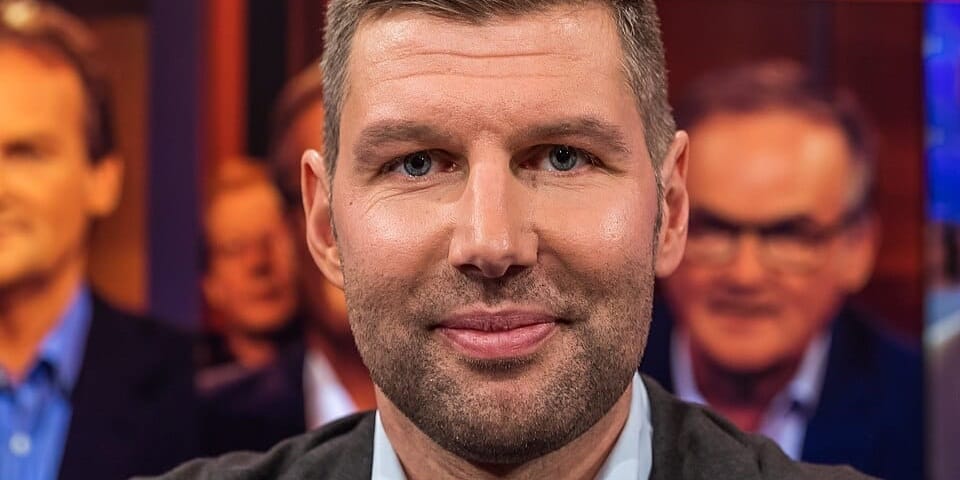
Former Germany and Aston Villa midfielder Thomas Hitzlsperger has said the lack of openly gay male footballers remains rooted in "toxic masculinity", while warning that wider societal attitudes continue to discourage players from coming out.
Hitzlsperger, who publicly came out as gay in 2014 shortly after retiring from professional football, said the sport has made significant progress on LGBTQ+ inclusion but remains affected by the same prejudices seen across society.
Speaking about homophobia in football, the former midfielder argued that the game's biggest challenge is not football itself but the wider world around it. "In terms of homophobia, society is the biggest challenge," he said. "The world has become a tougher place and, in relation to discrimination, it's quite sad. Racism, like homophobia, is also a big issue in society and of course football."
The 44-year-old said football has a responsibility to engage with social issues because of its influence, rejecting suggestions that the sport should remain separate from debates around discrimination and inclusion.
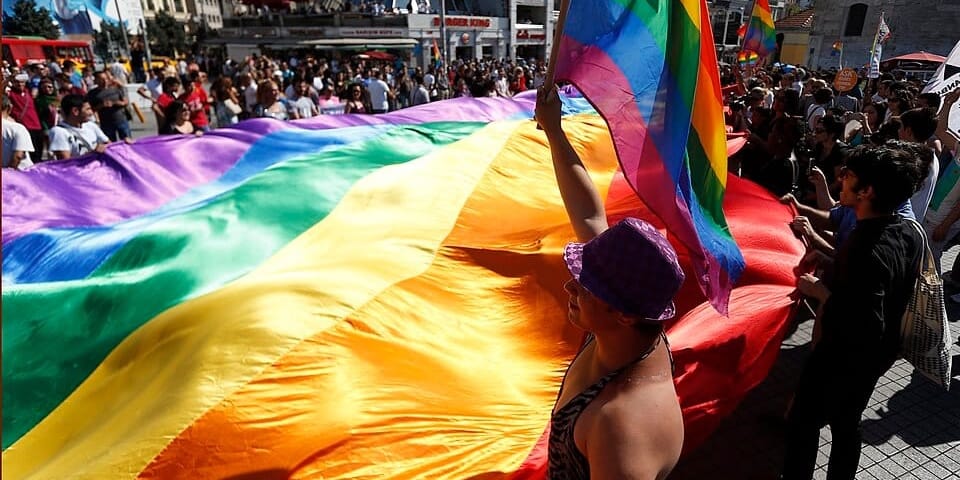
He pointed to campaigns and initiatives aimed at tackling homophobia, including widespread support for rainbow armbands in the Premier League, arguing that progress is often overlooked.
"There have been great initiatives – clubs and federations have all participated," Hitzlsperger said.
"Unfortunately, in this debate people often say there's no development because hardly any men's player has come out. I'd disagree in the sense that the game has got involved in initiatives, such as rainbow armbands."
Hitzlsperger said too much attention is often paid to a small number of dissenting voices, rather than the growing number of players and clubs who publicly support LGBTQ+ inclusion.
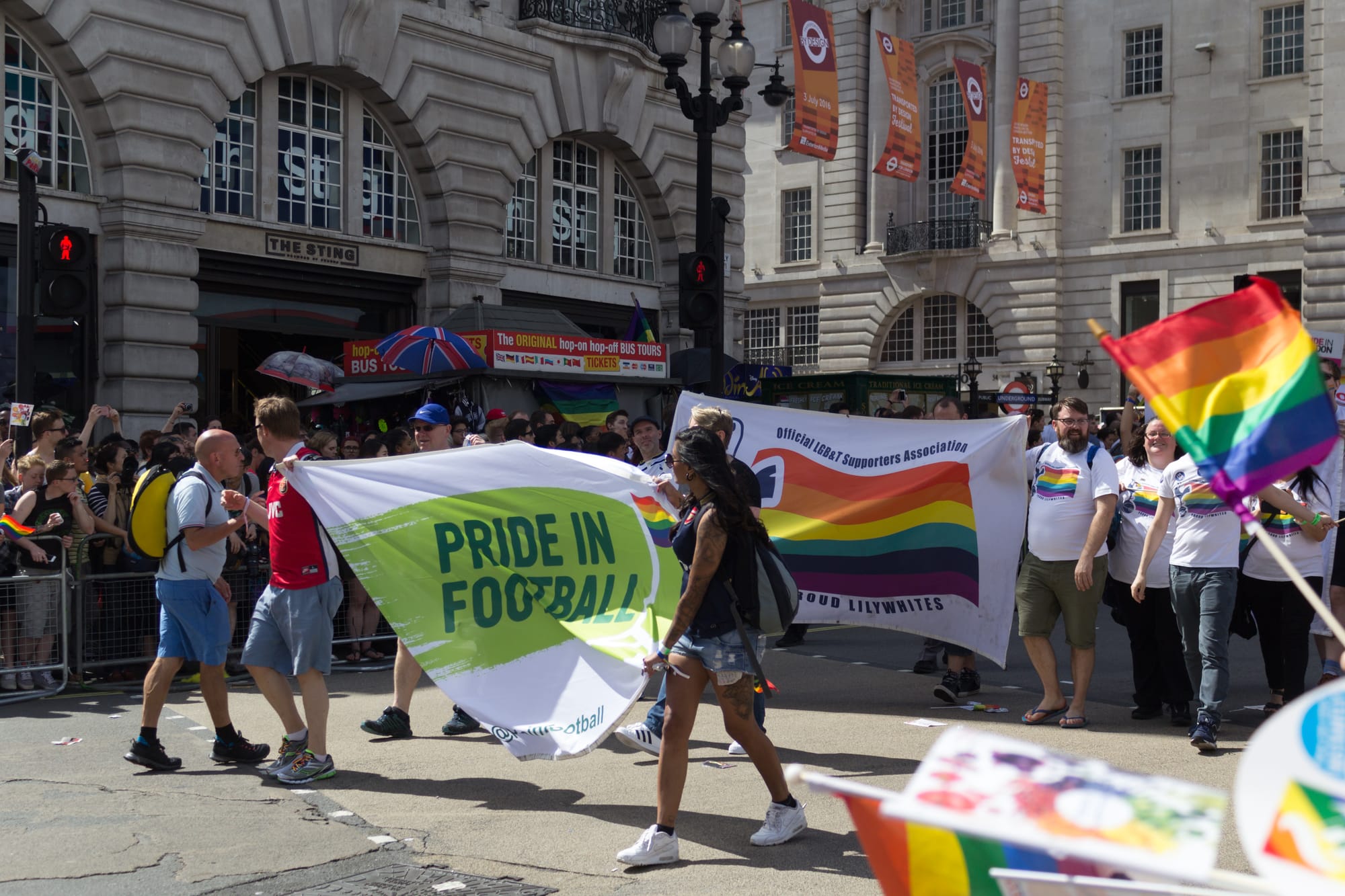
"There's sometimes this media obsession with focusing on a couple who step out of line and cause friction, but I'd argue we've come a long way," he said.
The former Stuttgart midfielder also expressed concern that equality and diversity work within football has lost momentum, claiming some initiatives had been scaled back as inclusion efforts become less politically popular in some quarters.
Despite that, he said many people within football remain committed to creating a more welcoming environment for supporters and players from all backgrounds.
However, Hitzlsperger acknowledged that the number of openly gay male footballers remains extremely low. "The reality is that there are very few openly gay male footballers," he said. "It's rooted in toxic masculinity, but life is toxic and that's the sad thing."
He added that fears about public reaction extend beyond players' careers, with some former footballers also choosing not to come out after retirement. "We talk about players not wanting to come out during their playing days because the environment might be toxic but after their playing career has finished, some players don't come out either, because they're scared of society."
Scene was founded in Brighton in 1993, at a time when news stories about Pride protests were considered radical.
Since then, Scene has remained proudly independent, building a platform for queer voices. Every subscription helps us to report on the stories that matter to LGBTQ+ people across the UK and beyond.
Your support funds our journalists and contributes to Pride Community Foundation’s grant-making and policy work.



Member discussion