



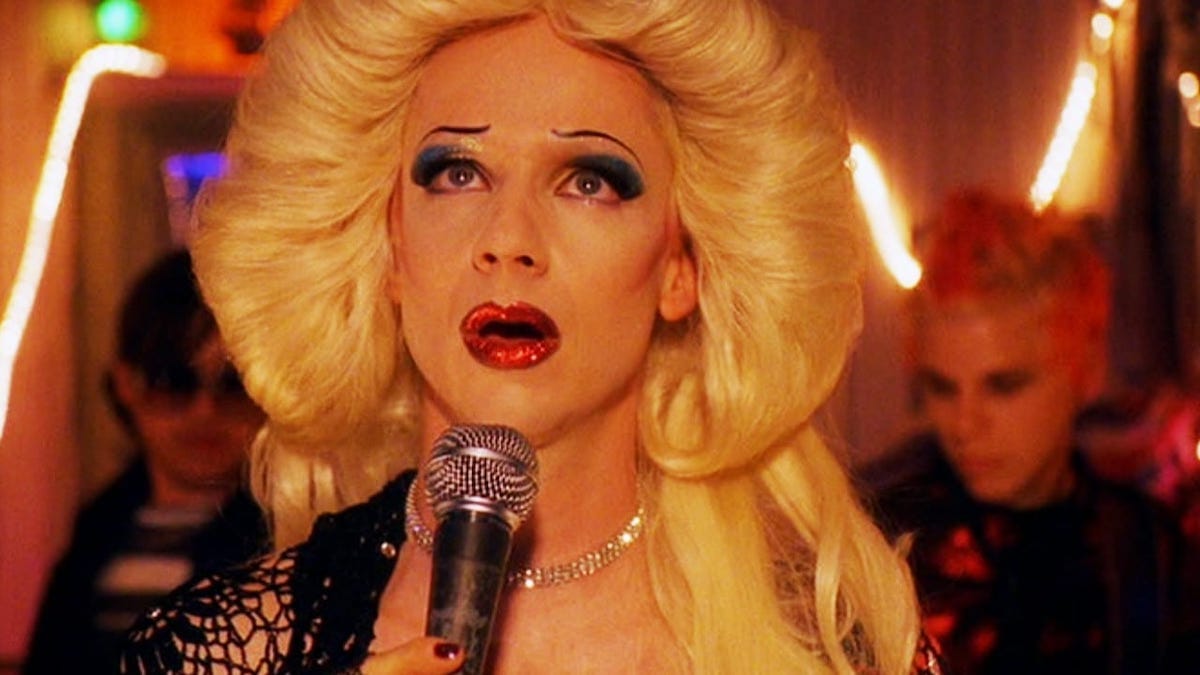
The number of LGBTQ+ characters appearing in major studio films has fallen for the third consecutive year, according to a new report from media advocacy organisation GLAAD, which found there were no transgender characters in mainstream films released in 2025.
GLAAD's annual Where We Are in Film study analysed 225 films released during 2025 by the 10 largest film distributors, including Disney, Netflix, Warner Bros. Discovery, Paramount, Sony and Amazon Studios. Of those films, just 46 featured LGBTQ+ characters, down from 59 the previous year and continuing a decline from a record high reached in 2023.
The report identified 112 LGBTQ+ characters across those films, a significant drop from the 181 counted in 2024. Most notably, researchers found no trans characters at all in major studio releases during 2025.
GLAAD President and CEO Sarah Kate Ellis said the findings were at odds with audience demand for diverse storytelling. “Audiences across the board are seeking out original and inclusive stories,” Ellis said. “Our study found LGBTQ+ stories in film that are both commercially and critically successful.
“If the industry doesn’t prioritise investing in films with LGBTQ+ characters, it risks losing a generation that will go elsewhere to find entertainment that does include our community.”
The report also found a decline in diversity within LGBTQ+ representation. Just 30% of LGBTQ+ characters were people of colour, down from 36% the previous year. Only 11 characters were identified as bisexual, while four LGBTQ+ characters were depicted as living with HIV or having a disability.

LGBTQ+ characters were also more likely to appear in supporting or background roles than as leading characters. Just 16% of LGBTQ+ characters occupied lead roles, according to the study.
One of the report's starkest findings was the complete absence of LGBTQ+ representation in animated and family films. None of the 19 films in the category featured LGBTQ+ characters, compared with two titles the previous year.
Megan Townsend, GLAAD's Senior Director of Entertainment Research and Analysis, warned that studios risk alienating younger audiences. “Gen Z represents the largest share of moviegoers in North America,” she said. “Gen Z also has the highest percentage of people who say they are part of the LGBTQ community.
“If studios want to stay relevant with younger audiences and bring in box office dollars, they can’t afford to ignore nearly one-quarter of their most enthusiastic ticket buyers.”
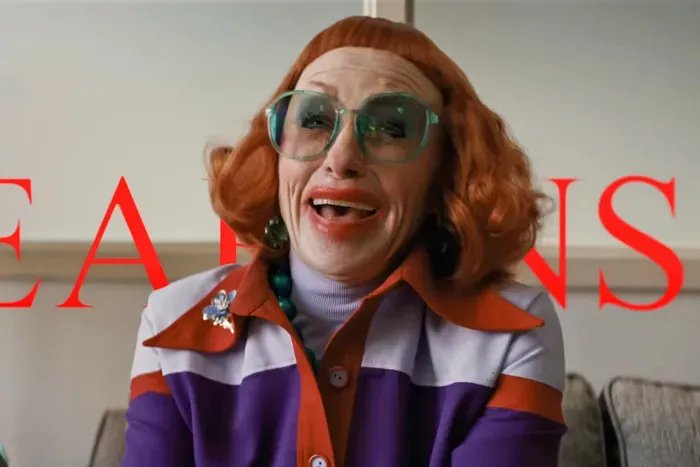
Despite the overall decline, the report highlighted horror as a rare success story for LGBTQ+ inclusion. Films including I Know What You Did Last Summer, The Parenting, Companion and Weapons featured LGBTQ+ characters and performed strongly at the box office.
According to GLAAD, every theatrically released LGBTQ-inclusive horror film with publicly available budget information earned more than double its production costs, while LGBTQ-inclusive mid-budget and independent productions generated an average return of more than three times their budgets.
The findings come amid wider concerns about representation in the entertainment industry and ongoing debates in the United States over LGBTQ+ visibility in media.
The full Where We Are in Film report is available on GLAAD's website.
Scene was founded in Brighton in 1993, at a time when news stories about Pride protests were considered radical.
Since then, Scene has remained proudly independent, building a platform for queer voices. Every subscription helps us to report on the stories that matter to LGBTQ+ people across the UK and beyond.
Your support funds our journalists and contributes to Pride Community Foundation’s grant-making and policy work.

Member discussion