

'Lesbian Lines': A time capsule of a lesbian community in 1980s Ireland

It is 2019, mid-October, in a small venue somewhere in Dublin. The walls are splashed with colour and ceilings hung with cheery bunting because it is a special day. It is the 40th anniversary of Dublin Lesbian Lines.
It is a night of spoken word, music and conversations. Onto the stage arrive some of the original volunteers who share their stories of being a part of the helpline in the 1980s. They tell of the kind of time it was in Ireland, of how important the helpline was for so many women, and of the underground community that they built around it.
It is a story of creativity, initiative, loss, love and friendship. In the audience sits Cara Holmes, film director and editor. She is amazed that she, a Dublin born and bred lesbian, has never heard of this history. She grew up in the 1990s where she had experienced very little lesbian visibility, and yet this helpline had been around a whole decade before that.
Six and a half years on Cara is the one on stage. She is introducing her new feature documentary Lesbian Lines at its premiere at Sheffield DocFest. The theatre is packed full and people have been turned away, as will be the case for the following screening at the festival. This time I am in the audience.
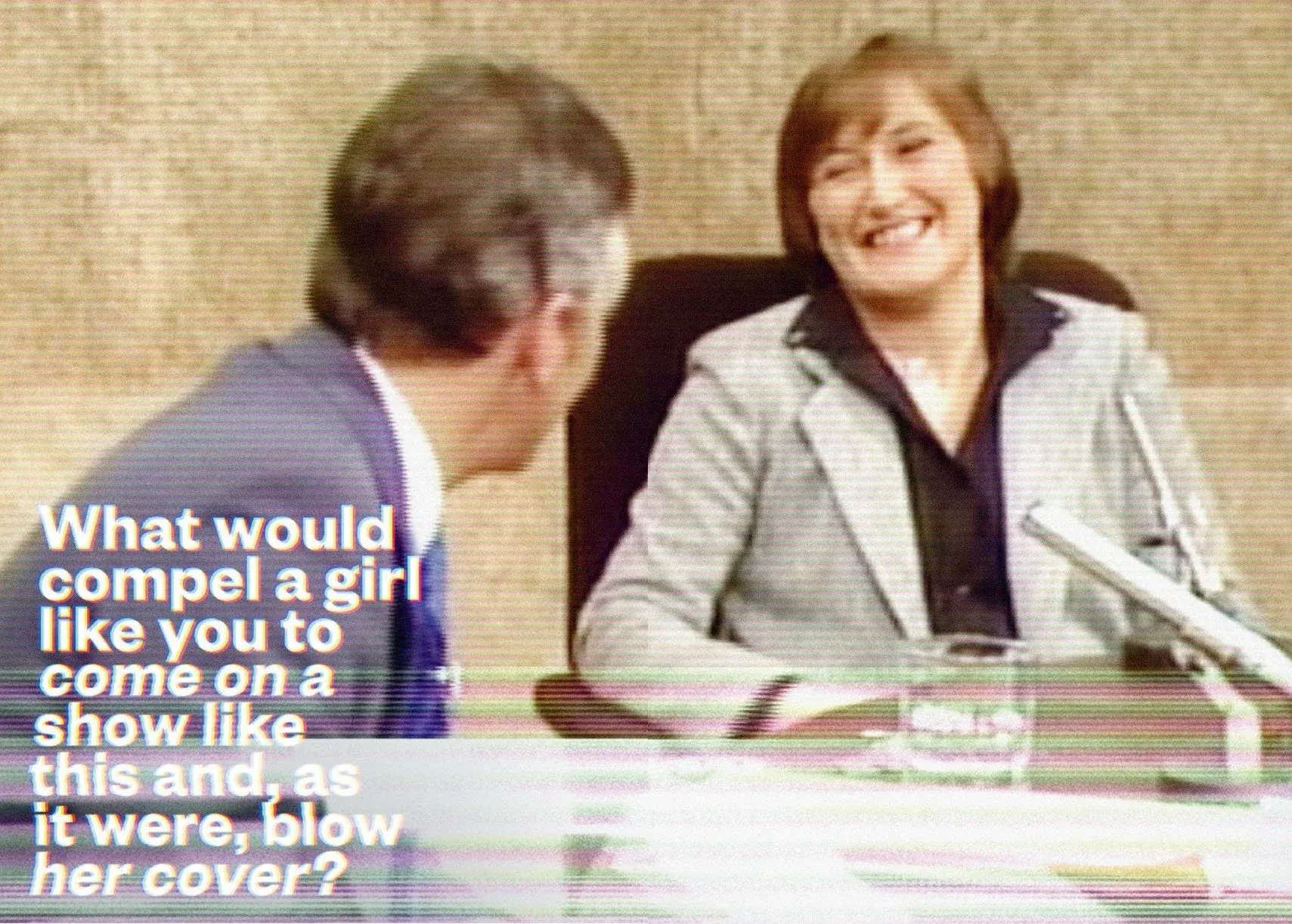
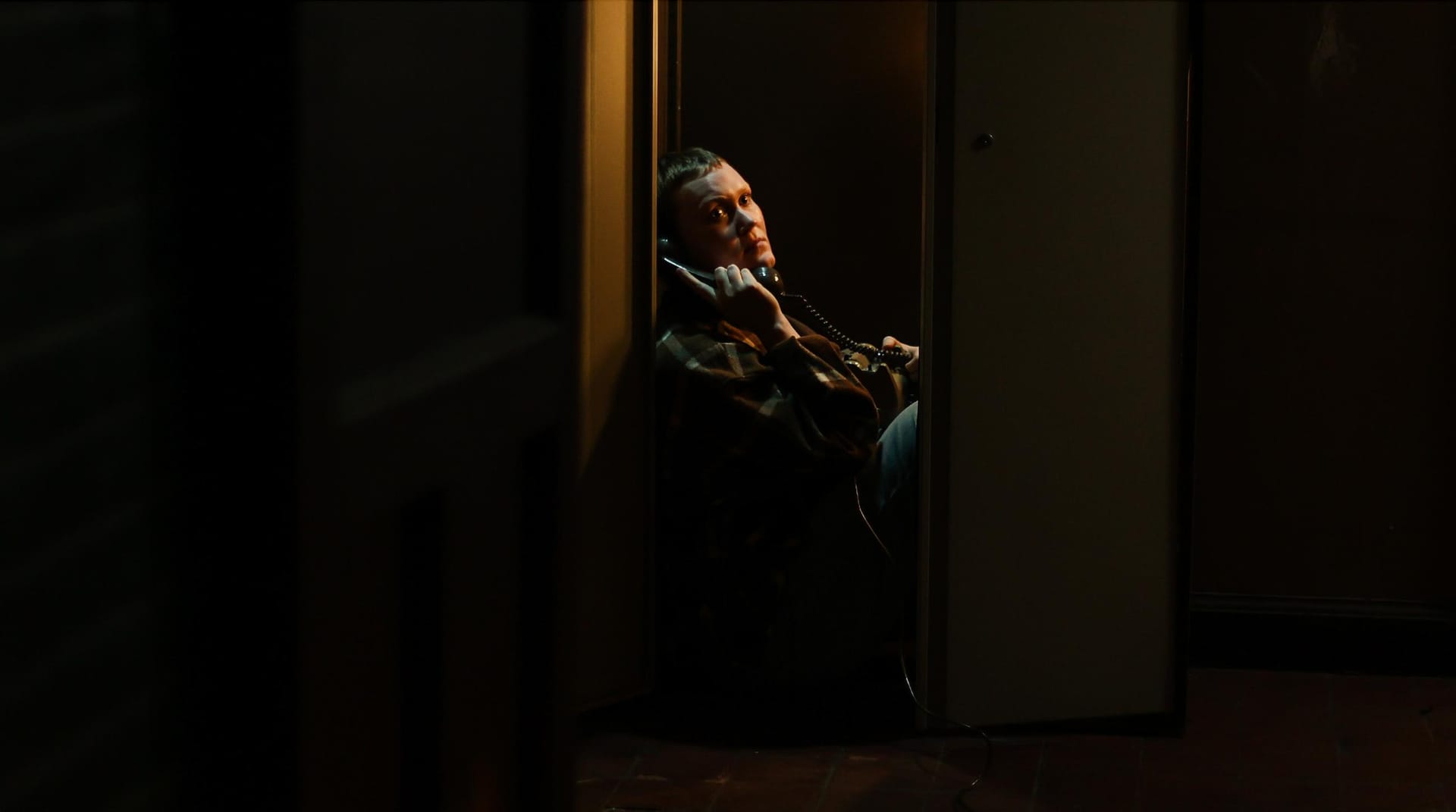
The film begins with one woman and a telephone in a room in 1979. This was the first form of the helpline, with women ringing from stickers that the volunteers would plaster over Dublin. The following year, there was a huge breakthrough for Lesbian Lines when Joni Crone, a 26-year-old volunteer, made history as the first gay woman to publicly come out on Irish television, using her interview to advertise the helpline.
Following this it began to grow, and variations of Lesbian Lines sprung up all over Ireland, from Cork to Galway. Women from all walks of life would ring, seeking advice, comfort, or even just the knowledge that there was someone on the other end who was willing to listen. For many of these women the lines became a lifeline. For the volunteers, it was not solely missionary work: many women who rang would become a part of the community and in doing so become friends and lovers. In a time when lesbians were virtually invisible, this was a necessary way of forging a community.
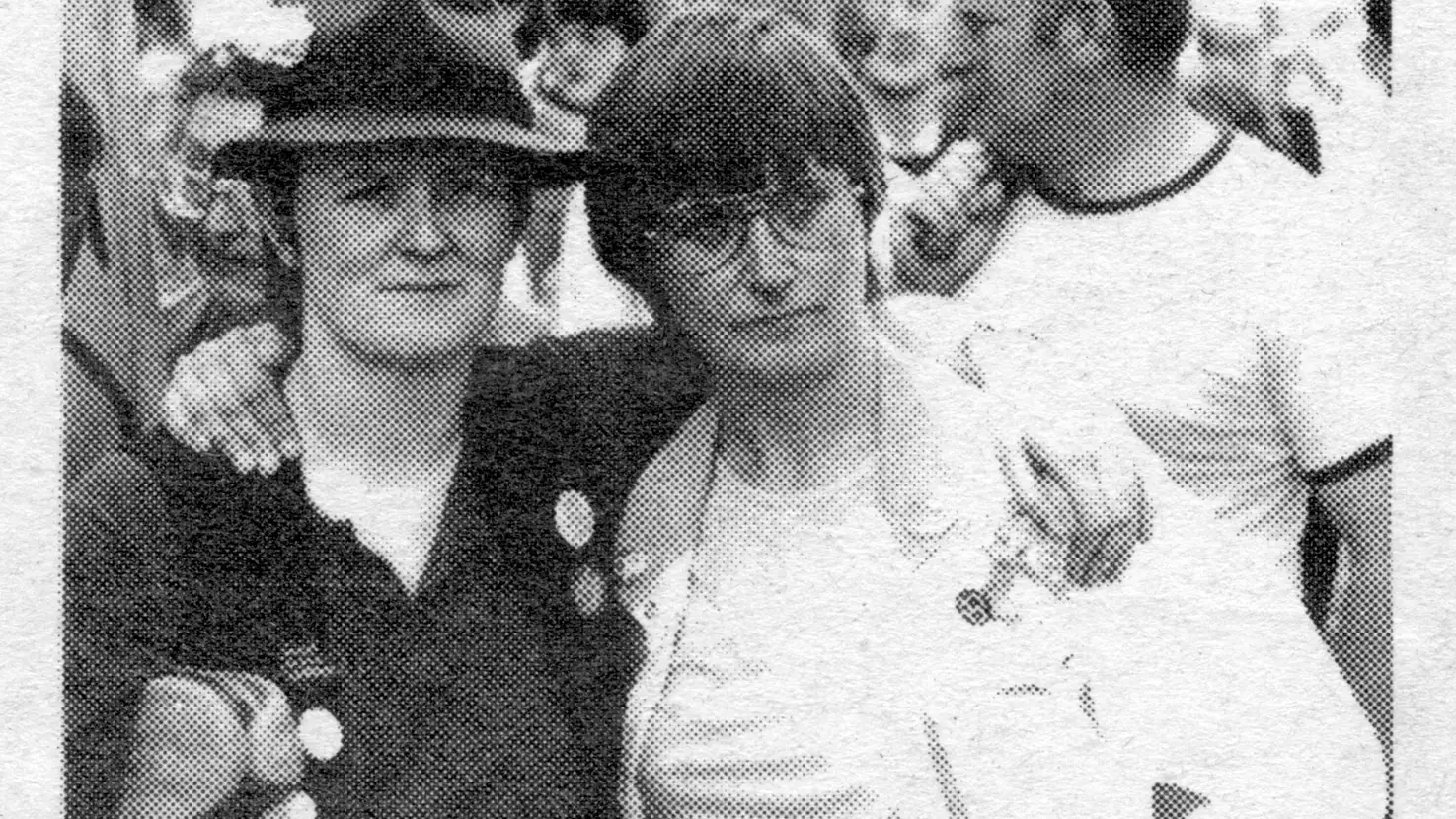
Very few records remain from the early days of the Lesbian Lines. The most significant record is the logbooks in which the volunteers would make notes about all the calls. These form a rich source about the issues that lesbian Irish women faced across decades of changing Irish society. Most of the other available materials are photographs and items from the volunteers' personal collections. This lack of archive was a challenge for Cara when setting out to make this film, but it was also the very reason that it was so important for it to be made.
The film itself is an act of archiving as it preserves the personal testimonies of the volunteers through recorded interviews. Interview snippets are collaged together to form the narrative backbone. For me, the talking head sections are the highlight of the film, capturing the joyful and colourful personalities of the women who were the heart of the helpline back in the 1980s.
To compensate for the lack of archive footage, the rest of the film is made of cinematic reenactments of stories from the logbooks. These are boldly shot, making use of dramatic lighting, smoke, and slow motion sequences. A couple of these moments feel a little overdramatised and overly symbolic, however this is a matter of personal taste ("They really got their money's worth with that smoke machine" writes one Letterboxd user sarcastically; "I didn't enjoy reenactments until this film" writes another).
Overall the reenactments are very evocative. They create a mood throughout the film, such that you are not just being told what happened but can really feel what it must have been like to be there at the time. Sometimes this is deep sadness and depression, but at other times incredible joy. Despite dealing with topics such as suicide, the film is very successful in avoiding becoming overly heavy.
Towards the end of the film, there is a conversation between the volunteers and the actors from the reenactments. The volunteers ask the younger generation what being queer is like for them in modern day Ireland. This is a nice touch. Cara spoke on stage about how the volunteers had been keen for this heartwarming scene. The inclusion of younger queer Irish women is also a nod to her motivations for making the film: her belief in the importance of passing stories between generations, as knowing your history is vital for a sense of self and community identity.
Lesbian Lines (2026) is certainly a triumph in preserving a part of history that could have been lost in the coming decades. Its emotive reenactments are like marmite, but in amongst the interviews and archive images they form a rich picture of what it was like to be there as a volunteer for the helpline in 1980s Ireland.
Scene was founded in Brighton in 1993, at a time when news stories about Pride protests were considered radical.
Since then, Scene has remained proudly independent, building a platform for queer voices. Every subscription helps us to report on the stories that matter to LGBTQ+ people across the UK and beyond.
Your support funds our journalists and contributes to Pride Community Foundation’s grant-making and policy work.
Member discussion