

Lesbian AfD leader Alice Weidel celebrates election win as concerns grow over party's LGBTQ+ policies


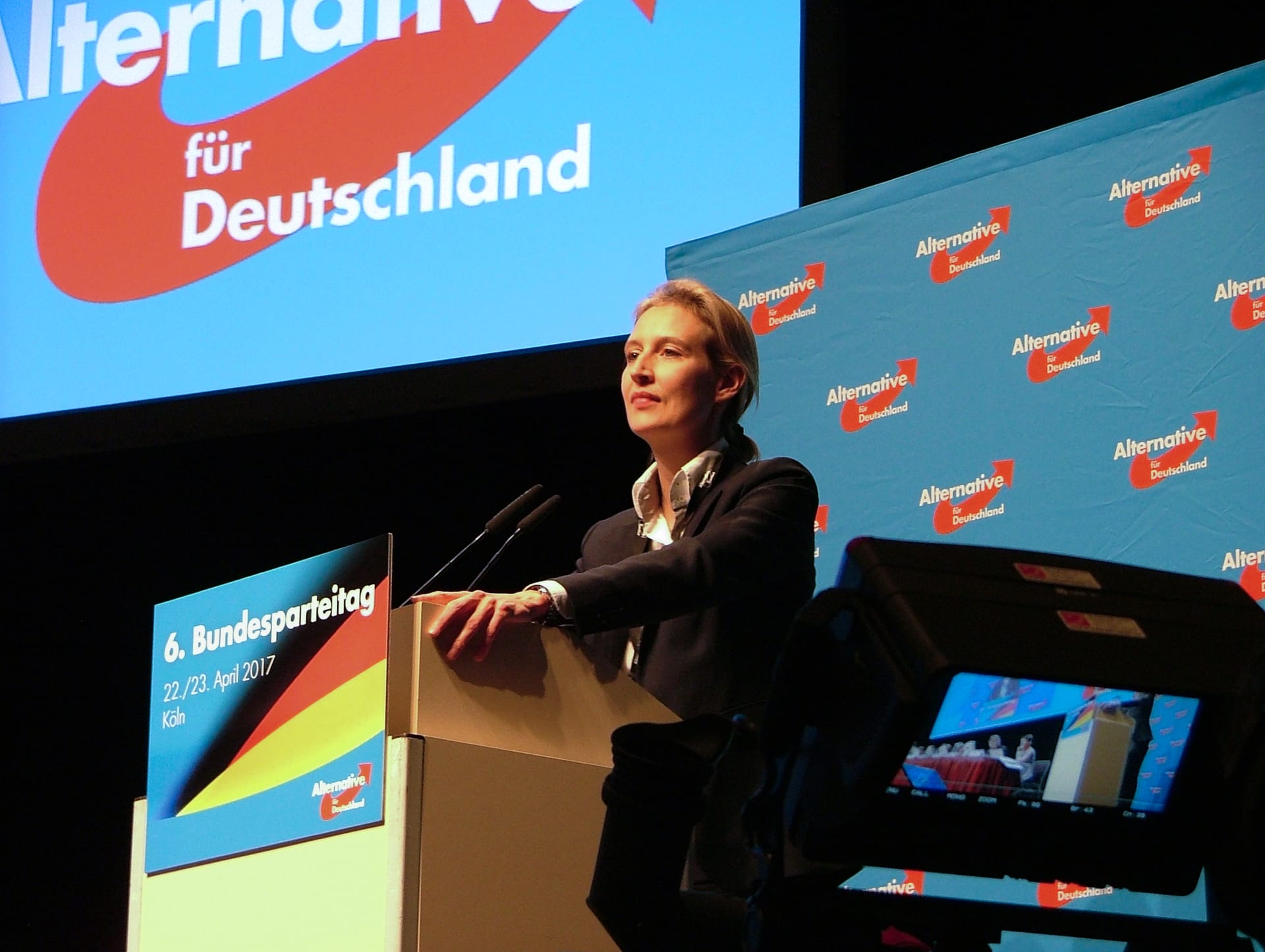
The far-right Alternative for Germany (AfD) has secured a historic victory in the eastern German state of Saxony-Anhalt, reigniting concerns among LGBTQ+ campaigners over the party's stance on queer rights despite being co-led by an openly lesbian politician.
The AfD won 43.8% of the vote and 39 seats in the state parliament, marking the strongest electoral performance by a far-right party in Germany since the Second World War. The result has further cemented the national profile of Alice Weidel, the party's co-leader, who lives with her female partner and helps raise two children.
For many LGBTQ+ observers, Weidel's prominence presents a striking contradiction. While she is one of the most high-profile lesbian politicians in Europe, the AfD has repeatedly opposed LGBTQ+ equality measures and sought to restrict rights for queer families.
The party opposes same-sex marriage and has argued that civil partnerships should be recognised instead. It has also attempted to roll back marriage equality legislation and has frequently criticised LGBTQ+ inclusion initiatives in schools and public life.
Campaigners have long pointed to the contradiction between the party's political positions and Weidel's own family life. According to reports, Weidel lives in Switzerland with her partner, filmmaker Sarah Bossard, and their two sons. Yet the AfD's platform continues to advocate policies that many LGBTQ+ groups say would undermine families like her own.
The election result has prompted fresh concern among LGBTQ+ organisations, particularly as the AfD continues to gain support across parts of Germany. Critics argue that the party's growing influence could pose a threat to LGBTQ+ rights, especially transgender rights and equality protections.
Weidel has sought to distance herself from accusations that the AfD is hostile to LGBTQ+ people, instead focusing her political messaging on immigration, nationalism and opposition to Germany's political establishment. However, rights groups note that representation alone does not necessarily translate into support for LGBTQ+ equality.
The AfD's breakthrough in Saxony-Anhalt does not automatically place the party in government, as it remains short of an outright majority and other parties have largely maintained a political "firewall" against cooperating with it. Nevertheless, the result represents a significant milestone for Germany's far right and a moment of renewed anxiety for many LGBTQ+ people watching the country's political landscape shift.
Scene was founded in Brighton in 1993, at a time when news stories about Pride protests were considered radical.
Since then, Scene has remained proudly independent, building a platform for queer voices. Every subscription helps us to report on the stories that matter to LGBTQ+ people across the UK and beyond.
Your support funds our journalists and contributes to Pride Community Foundation’s grant-making and policy work.



Member discussion