



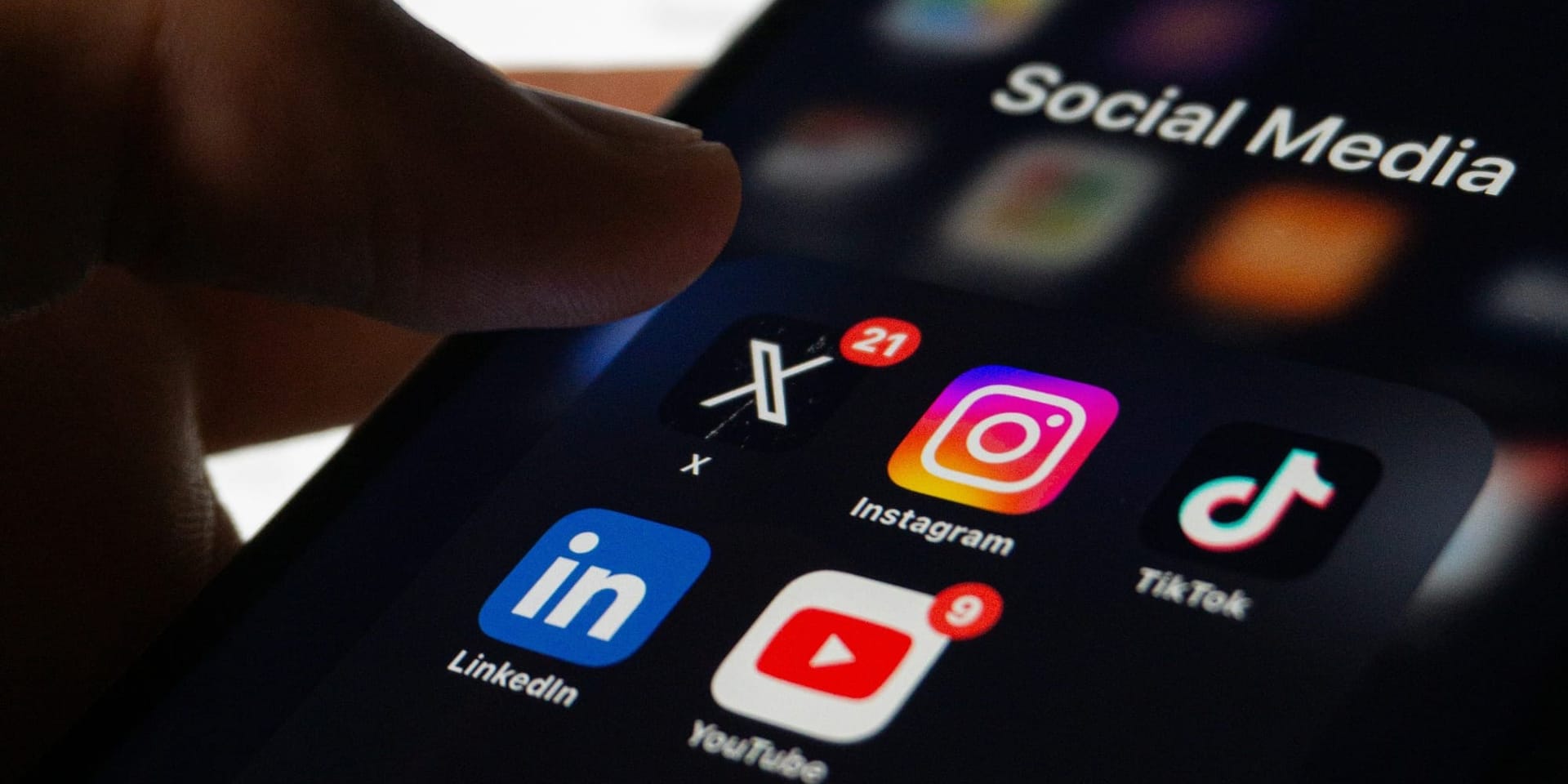
Keir Starmer’s newly announced plan to ban under-16s from social media has sparked debate over its potential impact on LGBTQ+ young people, with campaigners warning it could remove vital spaces for community, support and self-expression.
The Prime Minister confirmed on Monday, 15 June that the Government will introduce legislation to block children under the age of 16 from accessing major social media platforms, including TikTok, Instagram and Snapchat, as part of sweeping reforms to online safety.
Starmer described the move as a necessary step to protect children, arguing that social media is “making children unhappy” and exposing them to bullying, harmful content and addictive online experiences.
The policy, expected to come into force as early as 2027, would place responsibility on tech companies to enforce age restrictions and limit access to a wide range of platforms and features.
However, while the Government has framed the ban as a child protection measure, experts and LGBTQ+ advocates have raised concerns about unintended consequences for marginalised groups.
Research suggests that social media plays a particularly important role in the lives of LGBTQ+ young people. Studies have found that these platforms offer opportunities for identity development, peer support and access to information that may not be available in offline environments.
For many LGBTQ+ teenagers, especially those living in areas with limited local support or unsupportive family environments, online communities can provide a crucial sense of belonging. Social media is often used for self-expression, connecting with other LGBTQ+ people and exploring identity safely.
A House of Commons Library briefing on proposals to restrict social media use has warned that blanket bans could have “unintended consequences”, including limiting the ability of marginalised groups to form communities online.
Commentators have suggested this could disproportionately affect LGBTQ+ young people, who are more likely to rely on digital spaces to find peer networks and support.
At the same time, the Government has pointed to evidence linking high levels of social media use to poorer mental health outcomes among young people, arguing that reducing exposure to harmful content is necessary.
There is also evidence that children are frequently exposed to risks online, including bullying and inappropriate content, which ministers say the ban is designed to address.
Supporters of the policy, including many parents and child safety campaigners, argue that restricting access will help protect children from these harms and encourage healthier offline development.
But critics say the issue is more complex, particularly for those who may already feel isolated. Some campaigners argue that rather than removing access altogether, efforts should focus on making platforms safer and more inclusive.
Scene was founded in Brighton in 1993, at a time when news stories about Pride protests were considered radical.
Since then, Scene has remained proudly independent, building a platform for queer voices. Every subscription helps us to report on the stories that matter to LGBTQ+ people across the UK and beyond.
Your support funds our journalists and contributes to Pride Community Foundation’s grant-making and policy work.


Member discussion