

Exploration of lesbian fashion history by University of Brighton researcher Eleanor Medhurst is reaching new audiences


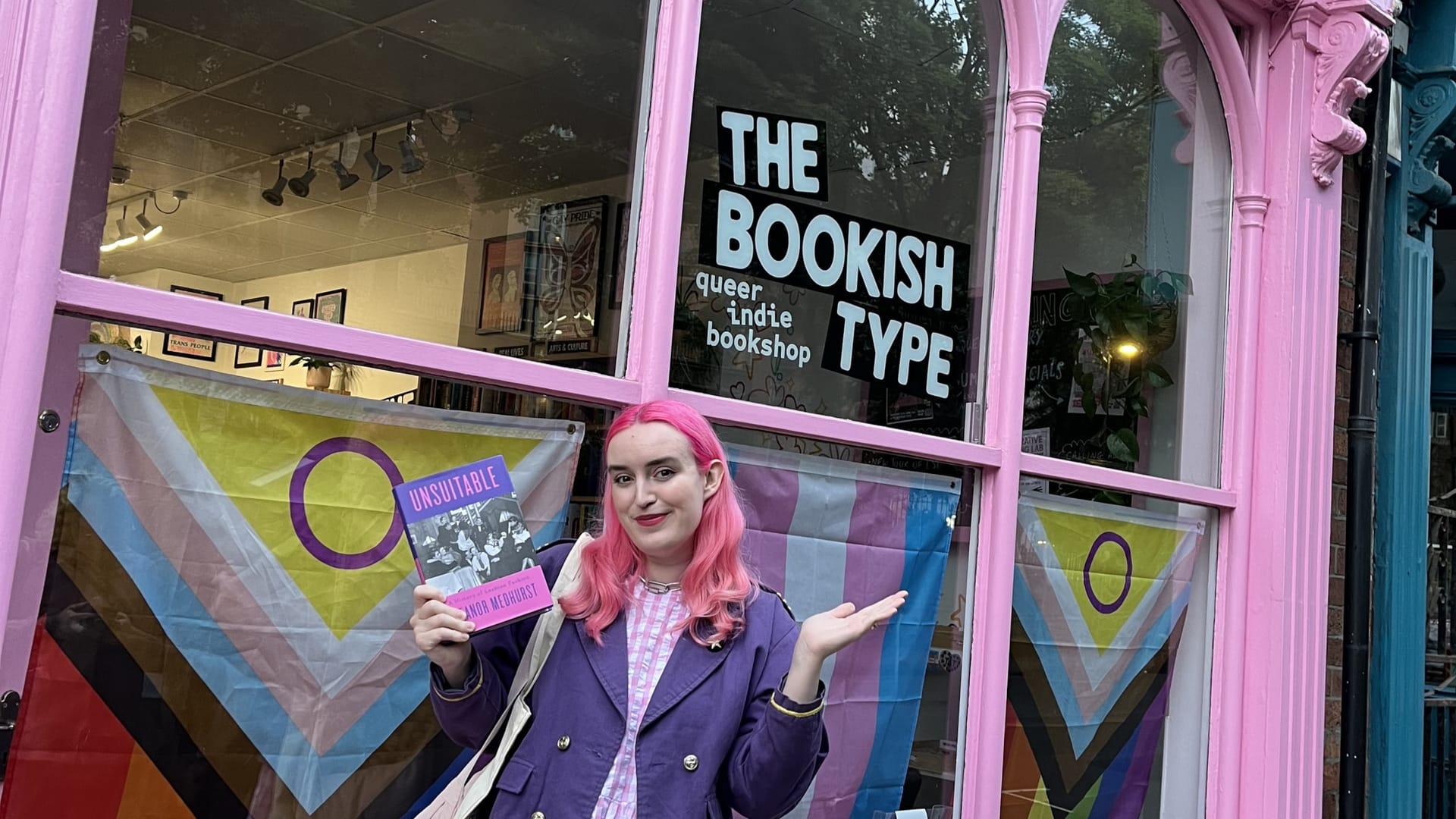
An exploration of lesbian fashion history by University of Brighton researcher Eleanor Medhurst is reaching new audiences following the release of its first paperback edition this month.
Unsuitable: A History of Lesbian Fashion, published by Hurst Publishers, traces centuries of queer history through clothing, uncovering how fashion has been used to express identity, build community, and navigate visibility across generations of lesbian lives.
Written by Eleanor Medhurst, a queer fashion historian, author of the Dressing Dykes platform, and PhD researcher at the University of Brighton, the book has been praised for bringing overlooked histories into public conversation.
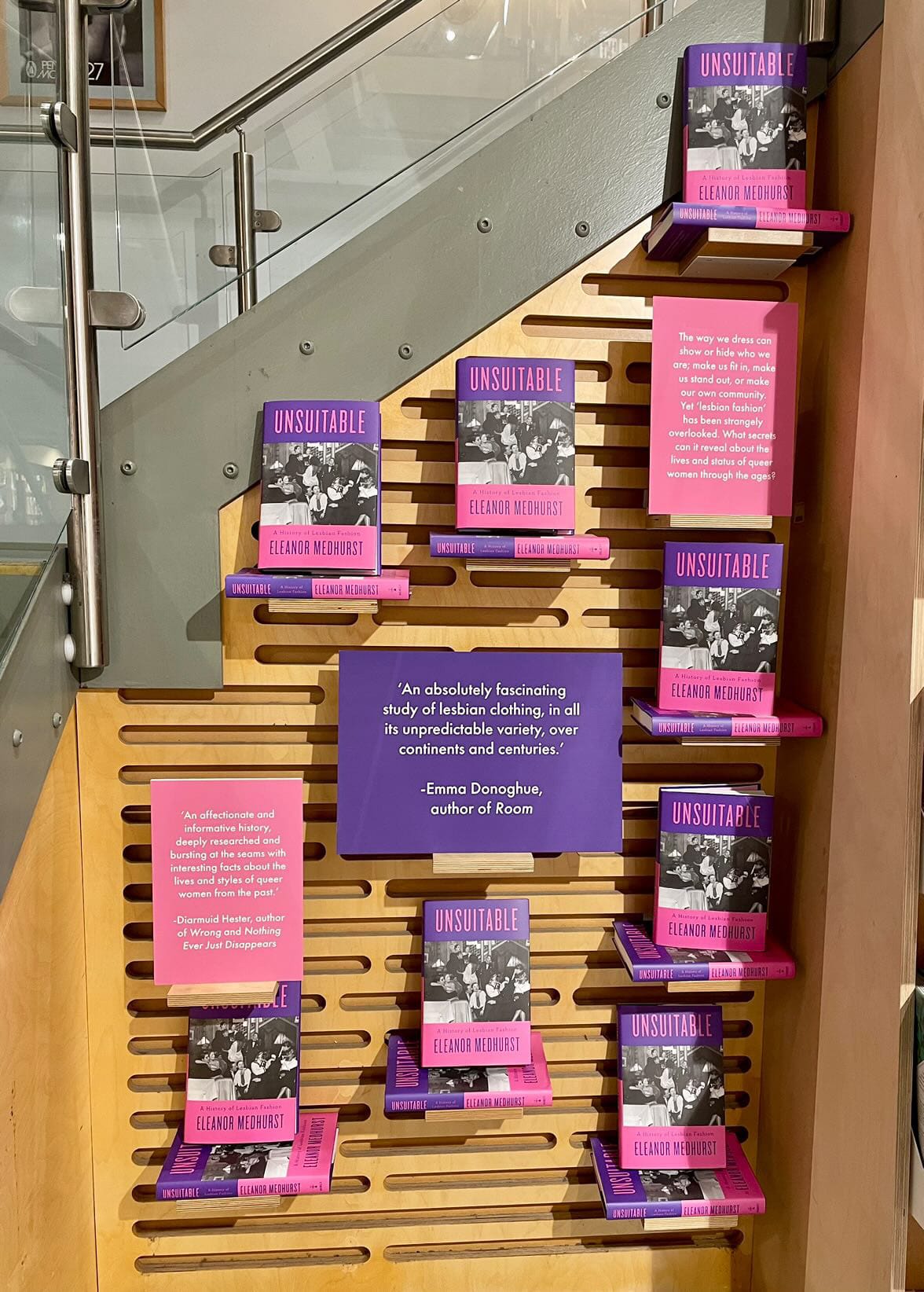
Spanning stories from nineteenth-century Yorkshire and seventeenth-century Sweden to contemporary queer communities and online culture, the book explores everything from suffragettes and drag kings to butch/femme bar culture, customised t-shirts, and TikTok trends.
Eleanor first began developing the ideas behind Unsuitable while studying for her MA in History of Design and Material Culture at the University of Brighton, after recognising how little lesbian history had been represented within mainstream fashion scholarship. She is now undertaking doctoral research at Brighton exploring textile craft and oral history within British lesbian communities between 1963 and 2003.
Eleanor said: “Unsuitable: A History of Lesbian Fashion is the product of thoughts that first started forming during my master's at the University of Brighton, when I noticed just how little was written about lesbians within fashion history.
“Clothes can tell us so much about the past - we all get dressed, and the way that we present ourselves is tied to our identities, communities, and social context. Lesbian fashion history is a way to learn about hidden or erased queer lives.
“It's really important to me that research is accessible, which is why I post about my work online. I hope that the new paperback edition of Unsuitable will help the book reach more people who might resonate with and learn from the stories told within its pages.”
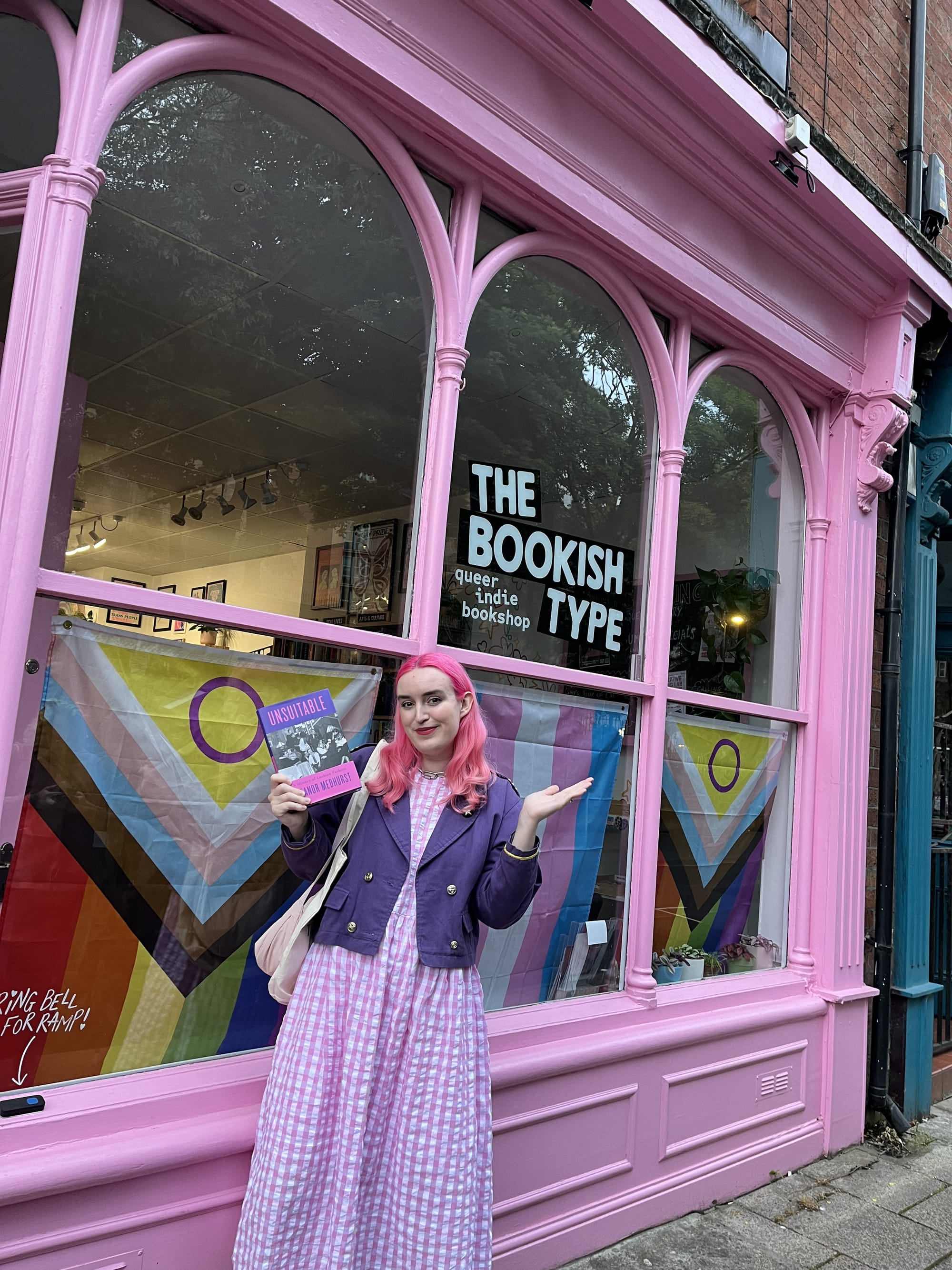
Longlisted for the 2025 Bread and Roses Award for Radical Publishing, Unsuitable has attracted attention for its exploration of queer identity, fashion, and cultural history, with coverage in publications including Vogue and The Guardian.
Alongside her writing and research, Eleanor has contributed to exhibitions including Queer Looks and Queer the Pier at Brighton Museum and regularly speaks on queer fashion history and LGBTQ+ representation in design.
Her current PhD research focuses on the role of handmade textile crafts within lesbian communities, examining banners, knitted garments, customised clothing, and other crafted objects as forms of activism, identity, and self-expression. Through oral history interviews and archival research, the project seeks to preserve stories that have often been overlooked or excluded from mainstream historical records.
Speaking about the importance of queer perspectives within design history, Eleanor said: “Design has so often been a way to express identity or connect with community, or to make a political impact. I think that it’s important to consider queer stories within design history, whether looking at landmark queer designs like the rainbow flag or smaller, personal designs made and used in specific contexts.”
Scene was founded in Brighton in 1993, at a time when news stories about Pride protests were considered radical.
Since then, Scene has remained proudly independent, building a platform for queer voices. Every subscription helps us to report on the stories that matter to LGBTQ+ people across the UK and beyond.
Your support funds our journalists and contributes to Pride Community Foundation’s grant-making and policy work.



Member discussion