



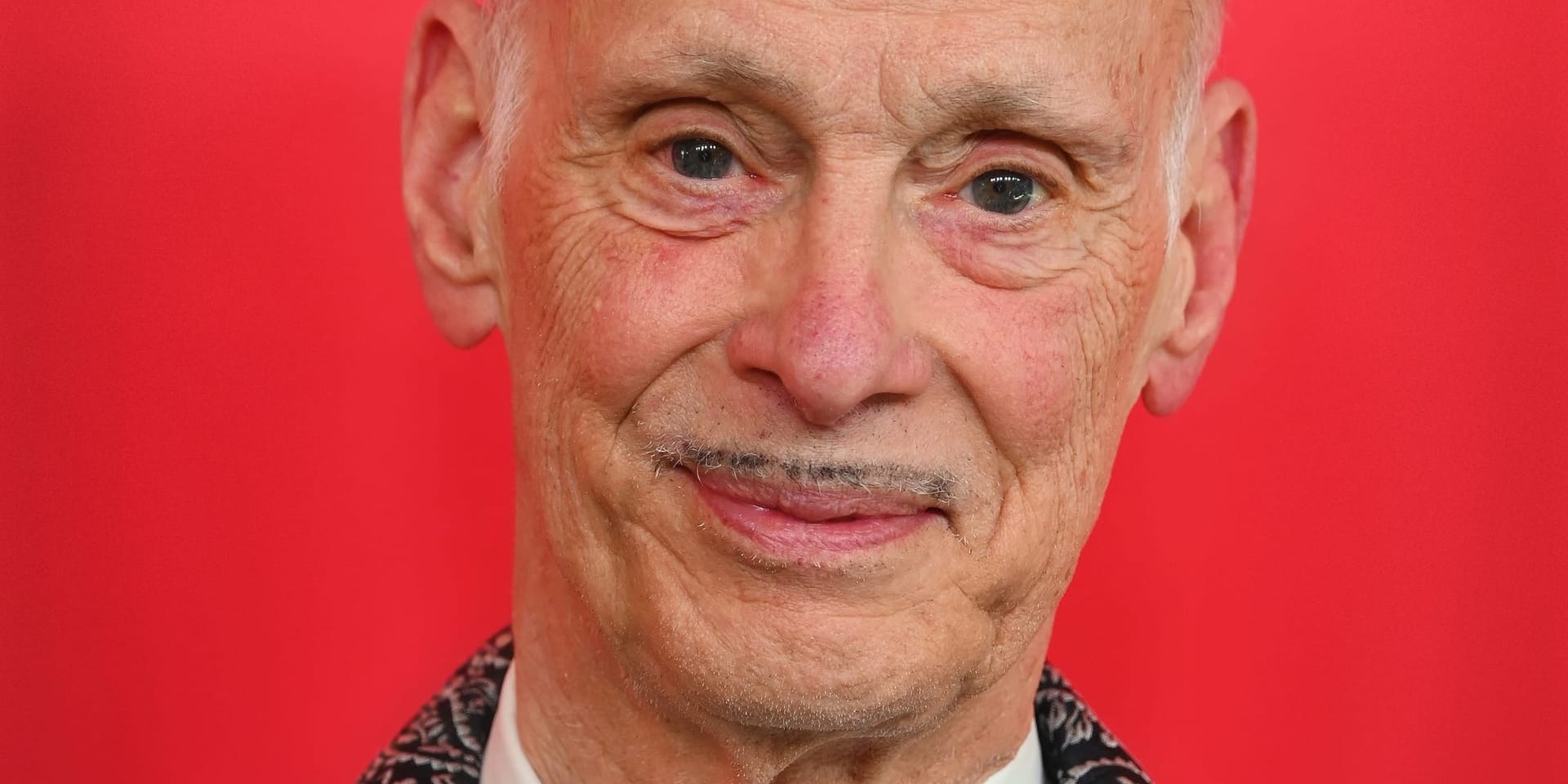
Cult filmmaker John Waters has said he is proud to be an "old-school gay", reflecting on ageing, gay culture and the lasting impact of the AIDS crisis as he approaches his ninth decade.
The Pink Flamingos and Hairspray director, who turned 80 in April, shares his thoughts in the documentary Finding Fire Island, which explores the history and culture of the famous LGBTQ+ destination off the coast of New York.
Waters, one of queer cinema's most influential and provocative figures, says he has never felt pressure to conform to the body ideals often associated with gay male culture.
"The younger people understand me and my films," he says in the documentary. "Even at the height of when I looked the best, I never was a 'Muscle Mary'."
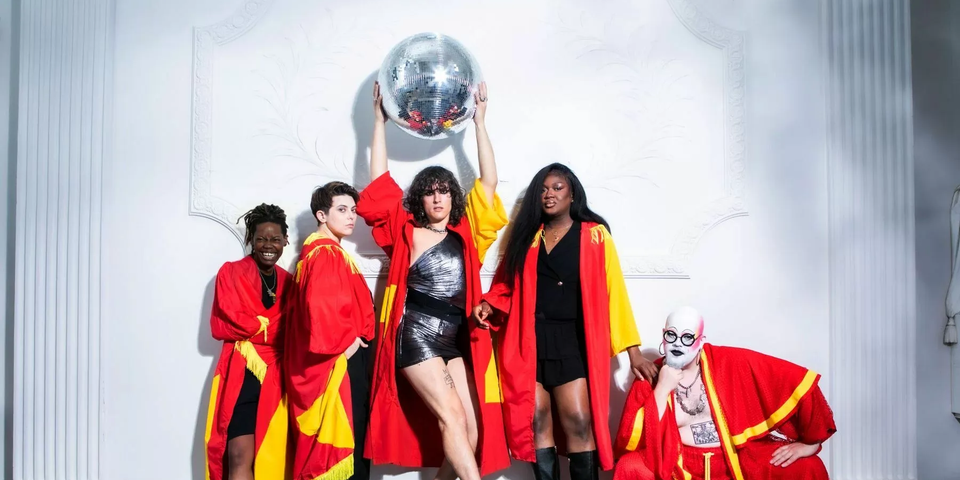
Instead, Waters said he identified more closely with the countercultural and flamboyant spirit of groups such as The Cockettes, the legendary San Francisco psychedelic drag troupe of the 1970s.
"It's a culture that I know about," he said, referring to gym-focused gay stereotypes, "but to me, the hippie gay thing, the Cockettes and all that, was more radical and to my liking than, say, clones."
The filmmaker's comments come as Finding Fire Island examines the changing face of LGBTQ+ life and culture across generations.
Waters also reflected on the devastating impact of the HIV/AIDS epidemic, saying it remains one of the defining experiences separating older LGBTQ+ people from younger generations.
"That's the main thing: If you're older, you remember that, and you can never convey what that was like to young people," he said.
The second season of Finding Fire Island is hosted by journalist Jess Rothschild and explores the history, rivalries and communities that have shaped the island's place in LGBTQ+ culture.
Rothschild said she had long wanted to feature Waters, who is more commonly associated with Provincetown, Massachusetts, but was keen to hear his memories of visiting Fire Island during the 1970s alongside his late muse and drag superstar Divine.
"John Waters represents the idea that what society calls 'too much' can become a source of creativity, humour and power," she said.
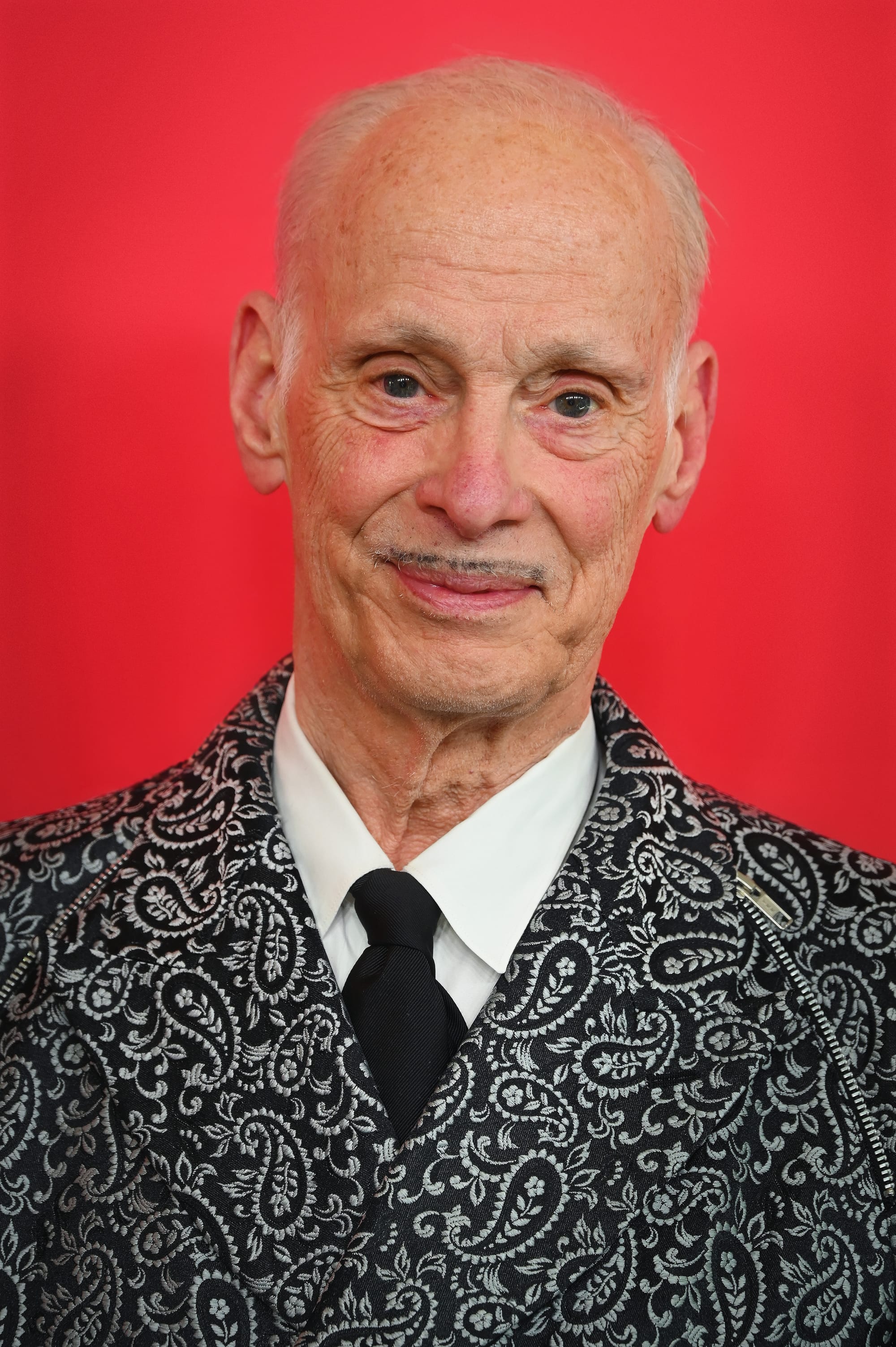
"I love how he speaks to being an outsider even within the gay community and relishing it. I think that's his primary message: the traits that make you feel out of place can become the foundation of your identity, your art and your community rather than something to hide."
Best known as the self-styled "Pope of Trash", Waters built a career on celebrating outsiders, misfits and unconventional characters. Films including Pink Flamingos, Female Trouble and Hairspray helped establish him as one of the most distinctive voices in American cinema.
The latest documentary also seeks to broaden perceptions of Fire Island itself. Rothschild said she deliberately included the voices of women, trans people and people of colour, arguing that portrayals of the destination have too often focused exclusively on white gay men.
"Nearly every well-known piece of media about Fire Island was made by a man and is about the white, gay, male experience," she said. "This just perpetuates the stereotype that Fire Island is relentlessly male, which it is not."
For Waters, however, the documentary is also a reminder that queer culture continues to evolve. Despite being one of the most recognisable figures in LGBTQ+ entertainment, he believes younger audiences still connect with his work because of its celebration of individuality and refusal to conform.
Finding Fire Island is distributed via the Broadway Podcast Network and is available on YouTube, Spotify, Apple Podcasts, SiriusXM, and Amazon Music.
Scene was founded in Brighton in 1993, at a time when news stories about Pride protests were considered radical.
Since then, Scene has remained proudly independent, building a platform for queer voices. Every subscription helps us to report on the stories that matter to LGBTQ+ people across the UK and beyond.
Your support funds our journalists and contributes to Pride Community Foundation’s grant-making and policy work.
Member discussion