



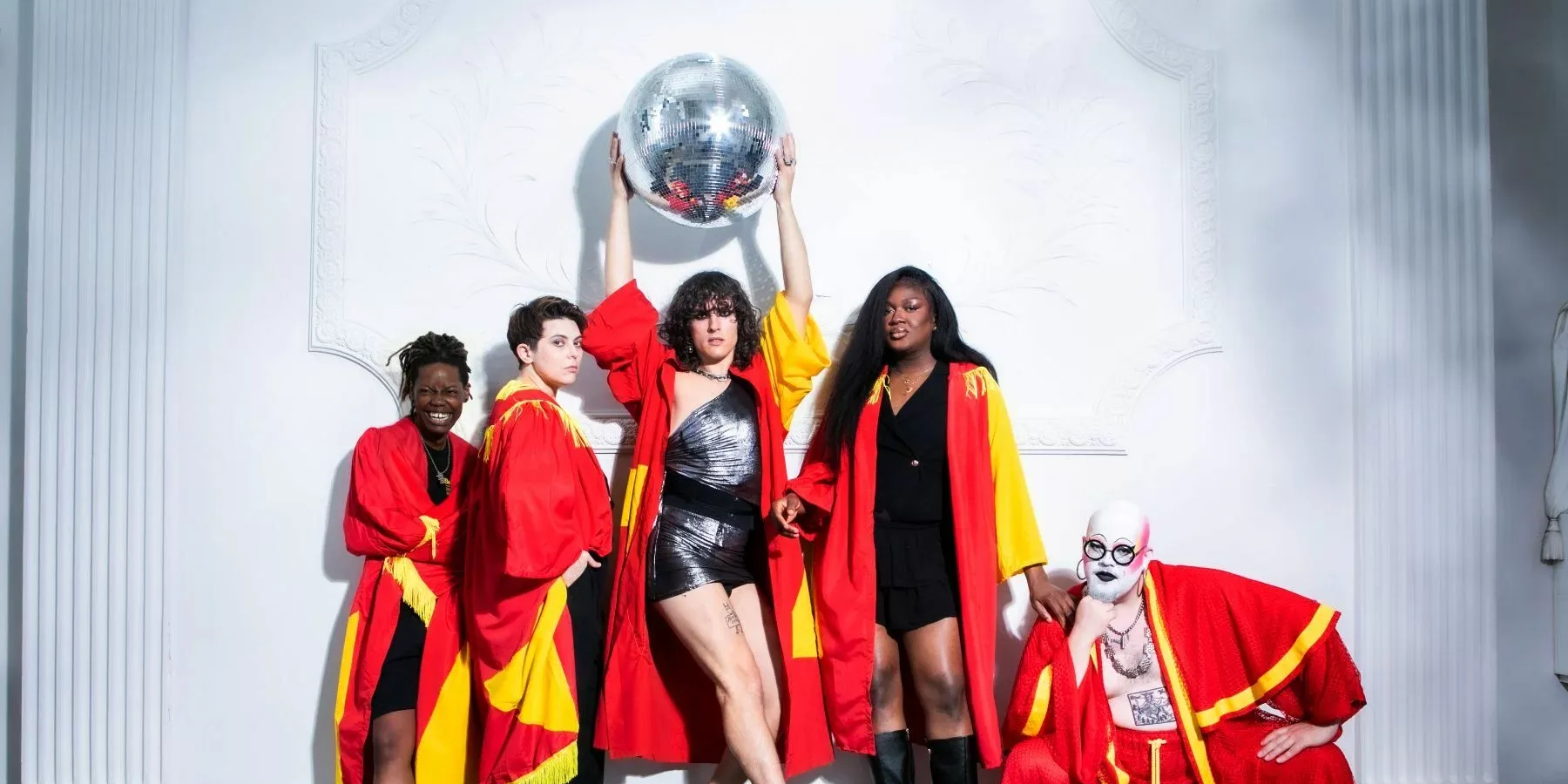
Members of Brighton's Rainbow Chorus are set to perform in a new theatrical music event celebrating queer nightlife and community when Congregational comes to Brighton Dome later this month.
Created by artist and vocalist Fatt Butcher in collaboration with Nicky Harris and Tobre, the show has been described as a "choral service for the nightclub", combining live music, performance and communal celebration in response to the challenges facing LGBTQ+ nightlife venues.
Presented by Brighton Dome and Marlborough Productions, Congregational will take audiences on what organisers describe as a journey through collectivity, song and dancefloor culture. Featuring a live choir of professional queer vocalists, a DJ and piano accompaniment, the production blends house, trance, gospel, classical and experimental music through an original score of newly composed hymns.
The performance arrives amid ongoing concerns about the decline of LGBTQ+ nightlife spaces across the UK, with the production positioning itself as both a tribute to and celebration of queer club culture.
Ahead of the show, Brighton's Rainbow Chorus announced that some of its members will be joining the professional choir performing in the production.
In a Facebook post, the chorus said: "We're bursting with pride. Rainbow Chorus members will be performing as part of the professional queer choir in Congregational at the Brighton Dome on 30 October - a powerful new choral service for the nightclub from artist and vocalist Fatt Butcher."
The group described the production as "a celebration of queer nightlife, collective joy, and the music that keeps our community alive".
Fatt Butcher, known for their distinctive blend of music, performance and queer storytelling, will lead audiences through what is billed as part concert, part communion and part resurrection, with organisers describing the show as a ceremony for a changing nightlife landscape.
Scene was founded in Brighton in 1993, at a time when news stories about Pride protests were considered radical.
Since then, Scene has remained proudly independent, building a platform for queer voices. Every subscription helps us to report on the stories that matter to LGBTQ+ people across the UK and beyond.
Your support funds our journalists and contributes to Pride Community Foundation’s grant-making and policy work.



Member discussion