The Fairy Queen Purcell @ BREMF
The Fairy Queen brought to life with natural trumpets & baroque dance. The London Handel Players, gleeful dancers & a deliciously fey, fluid fairy world made for a perfect evening of early music and camp.

Purcell’s fairies hold court in Kemp Town
Few rooms could suit Purcell’s The Fairy Queen as well as St George’s Church, where Brighton Early Music Festival presented the 1692 semi-opera on Friday night. The high vaults and clean Georgian lines lent the music a crisp, detailed elegance, as though the building had been drawn to the score’s measure. Its Kemp Town setting, in Brighton’s queer heartland, felt apt for a work devoted to enchantment, disguise and desire.
Purcell’s score is a string of masques rather than a continuous opera, each danced or sung entertainment, or “entry”, slotted into the story of Oberon, Titania and their quarrel over a favoured young man. It sits somewhere between opera, spectacle and revue. The London Handel Players, directed from the violin by Adrian Butterfield, honoured that structure with a lightness that gave every scene room to breathe. Tempos were sprightly without ever feeling hurried, and the intricate musical storytelling stayed clear from the first menuet to the final chaconne.
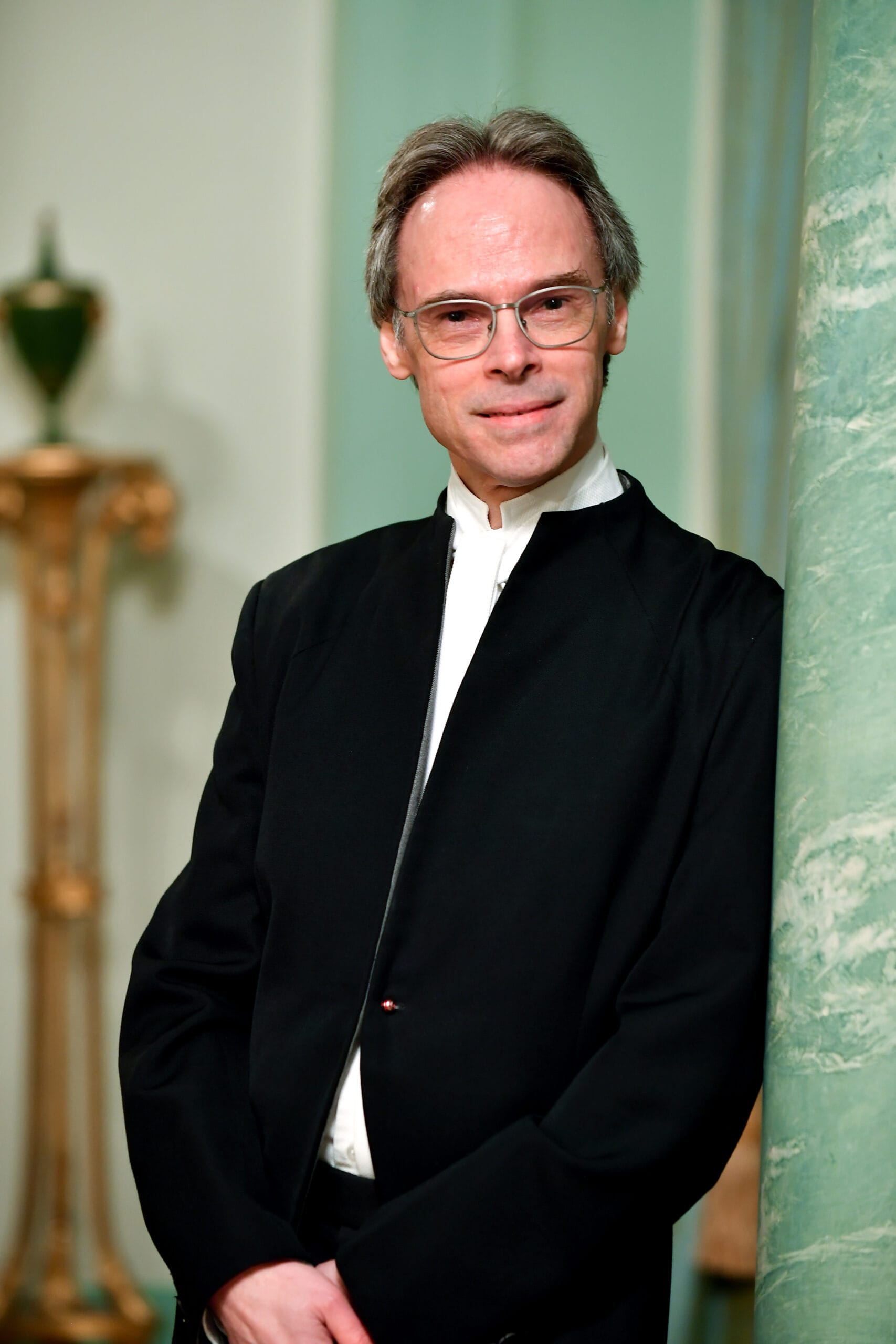
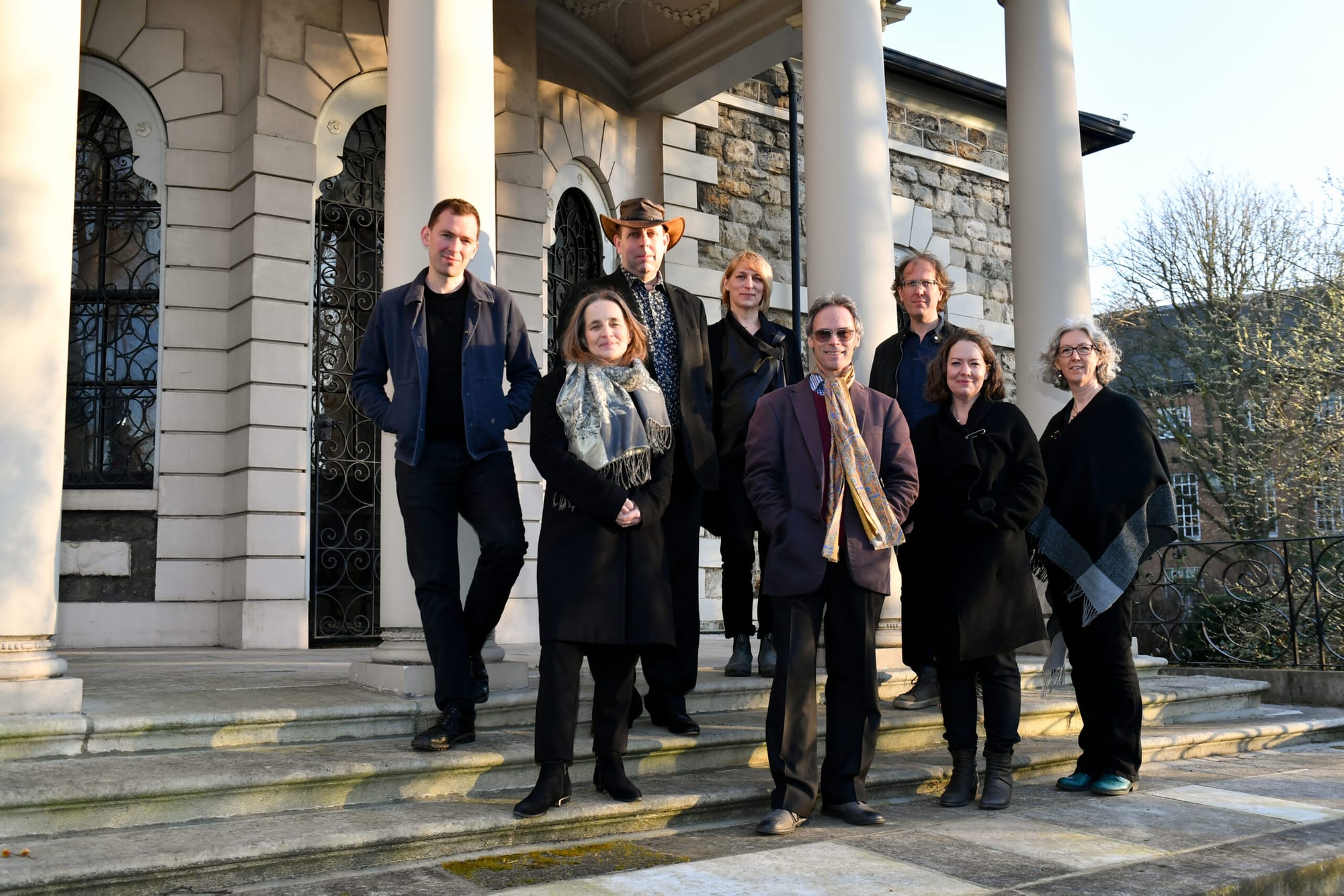
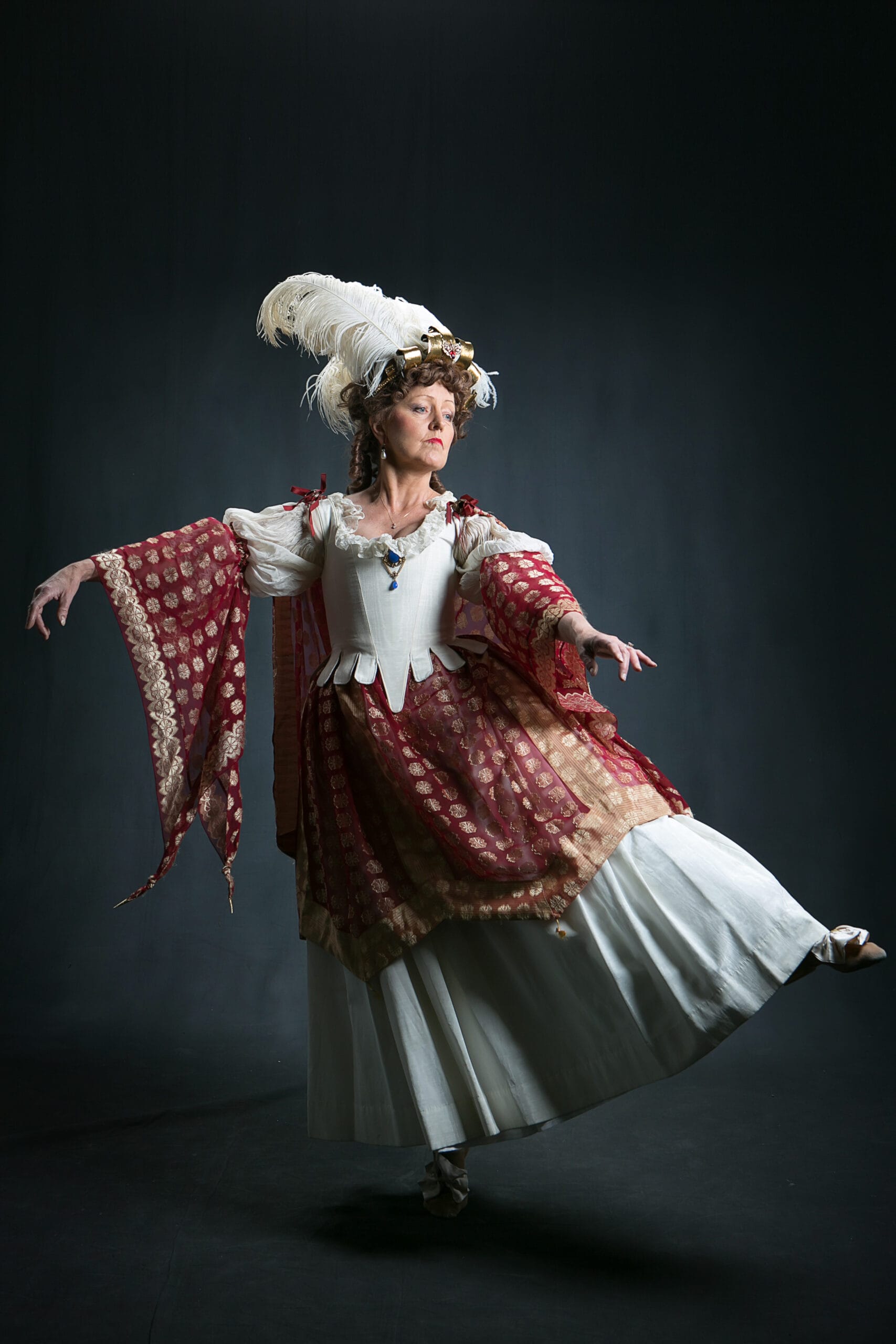
Adrian Butterfield (right) | Photo credit: Chris Christodoulou | London Handel Players (centre), Mary Collins (left)
Period instruments did exactly what they should. Baroque strings and harpsichord, with the softer-edged tuning that accompanies them, gave Purcell’s harmonies a warmth modern instruments seldom find. The natural trumpets of Neil Brough and Peter Mankarious swelled gloriously to fill the acoustic. Joel Raymond’s oboe, Ben Hoffnung’s percussion and Silas Wollston’s harpsichord added colour and propulsion beneath. Rachel Brown and Olwen Foulkes’s recorders joined whistles in the early songs, conjuring a convincing woodland night.
Subscribe to continue reading