

REVIEW: 'Our Shadow Selves' by VG Lee
Our Shadow Selves is a slow-burn, seaside-gothic thriller that creeps rather than crashes.

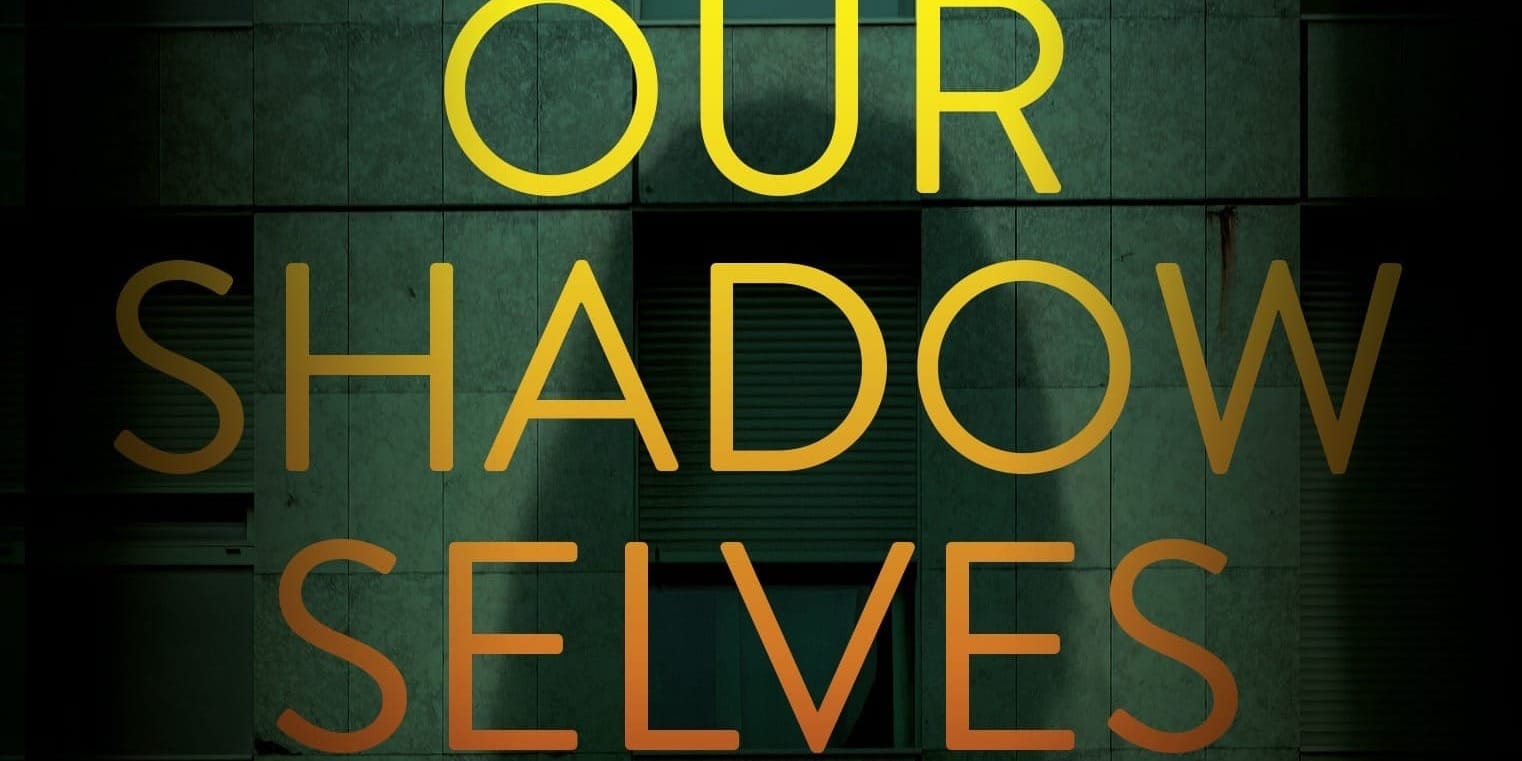
VG Lee's Our Shadow Selves is a slow-burn, seaside-gothic thriller that creeps rather than crashes.
Artist Shona Blake moves in with Richard, the man who once exploited her darkest history, and old wounds reopen fast. The pair share a crumbling house in Hawksbridge, a town so atmospherically decayed it functions almost as its own character. Together they cling, seeking some kind of hetro sanctury but thier hearts toll queer. Nearby, in the condemned Miller building, squats the eccentric Gifford family; a mother clinging to faded beauty and lost youth, and her troubled son Sonny, for whom she'll do almost anything, including sourcing him companionship from the street. Initialy they thrill and empower Shona with their affirming blasé attitude, but then a body turns up...
The novel circles a familiar but sharp question: when someone survives the unsurvivable, which version of themselves do they get to keep? That's where the title earns its keep, and where the book speaks most directly to queer readers, Lee has a stong queer confidence in her writing and although this is a story tangentially
about queerness, its emotional logic; building, hiding, changing or shedding a self to get through the world, will feel recognisable to anyone who's had to code-switch or reassemble an identity. Shona's arc isn't redemption in the neat sense; she isn't becoming someone new. She's deciding which fragments of herself she's willing to actually claim. It's a quietly queer kind of reckoning, even unspoken.
Lee's earlier novels are known for droll wit; here, that same sharp eye on manners and appearance is repointed towards menace rather than comedy, and it works. Lee was nominated for a Stonewall Award for previous writing. She also served as a judge for the Polari Prize.
This book drips gothic menace, full of crepuscular characters, buildings which loom, creak, crumble offer dank corners for lingering discomfort. The Miller building is alive with decay, offering glimpses of what was through it's dangerously decrepit infrastructures, and Mrs Gifford is a tremendous disturbing cross between Baby Jane, Miss Havisham and Mrs Danvers, I loved her! You can smell the coastal 'left behind' damp on this book as you turn the pages, Lee captures the very essence of a certain type of British seaside town, fading, but clasping layered secrets to its over-powdered bosoms.
The plot is confidently built, flashbacks used with precision, we gradually learn more about our protaganists past as we move through the book, prose genuinely lovely even at its darkest. Pacing takes its time at first, but once the body turns up near the Miller building, the novel tightens fast, heading towards an ending that feels both inevitable and unsettling. The tensions between revenge and reinvention throb with ever increasing pressure.
A moody, morally slippery read that gets under the skin, and stays there.
More info or to order see publishers website here.
Scene was founded in Brighton in 1993, at a time when news stories about Pride protests were considered radical.
Since then, Scene has remained proudly independent, building a platform for queer voices. Every subscription helps us to report on the stories that matter to LGBTQ+ people across the UK and beyond.
Your support funds our journalists and contributes to Pride Community Foundation’s grant-making and policy work.




Member discussion