



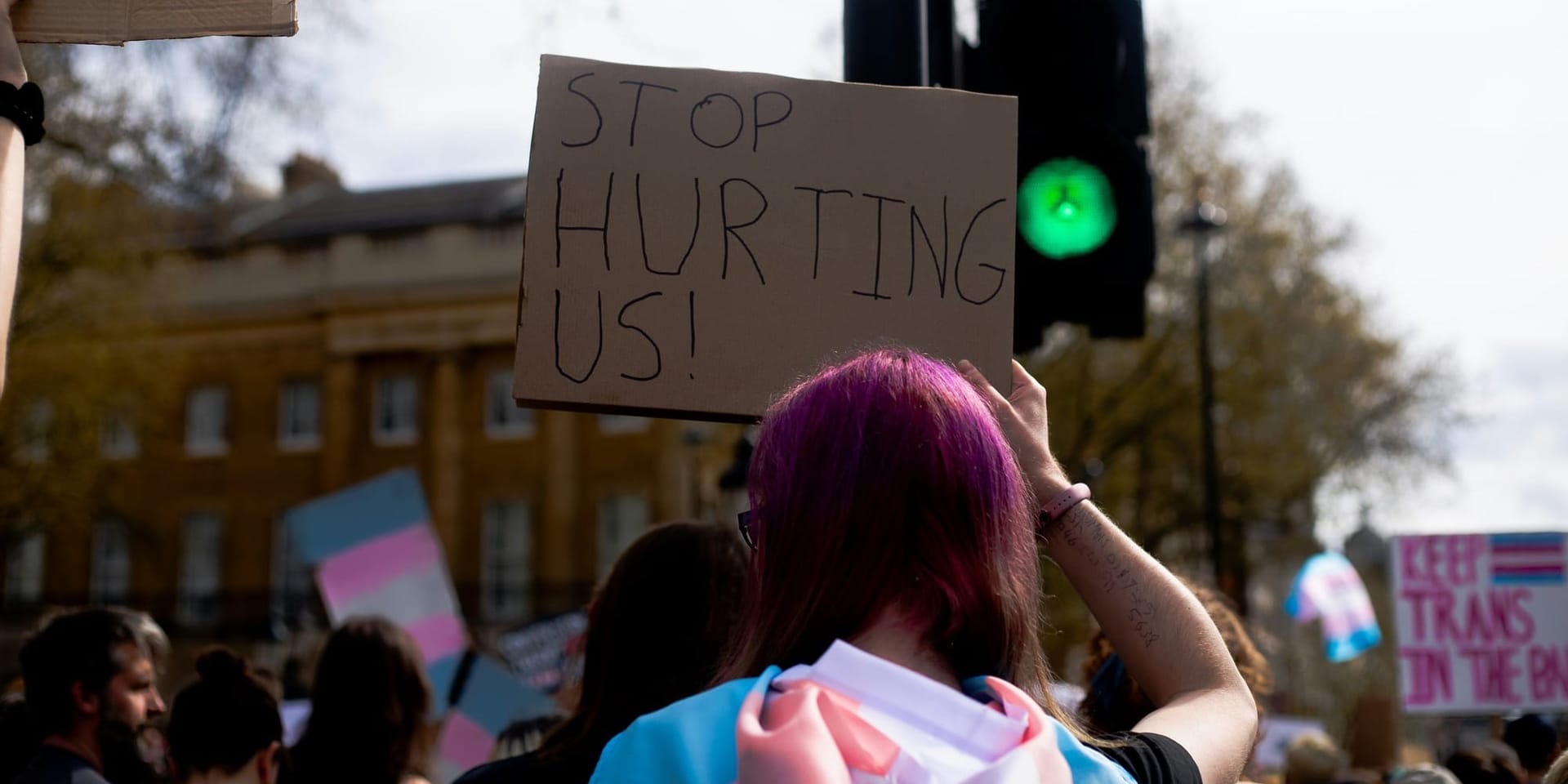
Statutory guidance on the provision of single-sex services will come into force on 5 August, following confirmation from Equalities Minister Bridget Phillipson.
The code of practice, issued by the Equality and Human Rights Commission (EHRC), has attracted criticism from campaign groups and some MPs, who argue it will have significant consequences for trans people accessing public services.
Critics say the guidance effectively treats trans people as a separate category, encouraging the use of alternative facilities rather than those designated for men or women. They argue this could lead to increased stigma, force some transgender people to disclose their gender identity, and create barriers to accessing services.
Campaign group Good Law Project said the guidance would also place additional pressure on existing accessible facilities and could increase harassment of cisgender women.
The organisation further disputes the code's interpretation of discrimination law. The guidance states that providing services for women and trans women is "very likely" to discriminate against cisgender men because they would be excluded from those services.
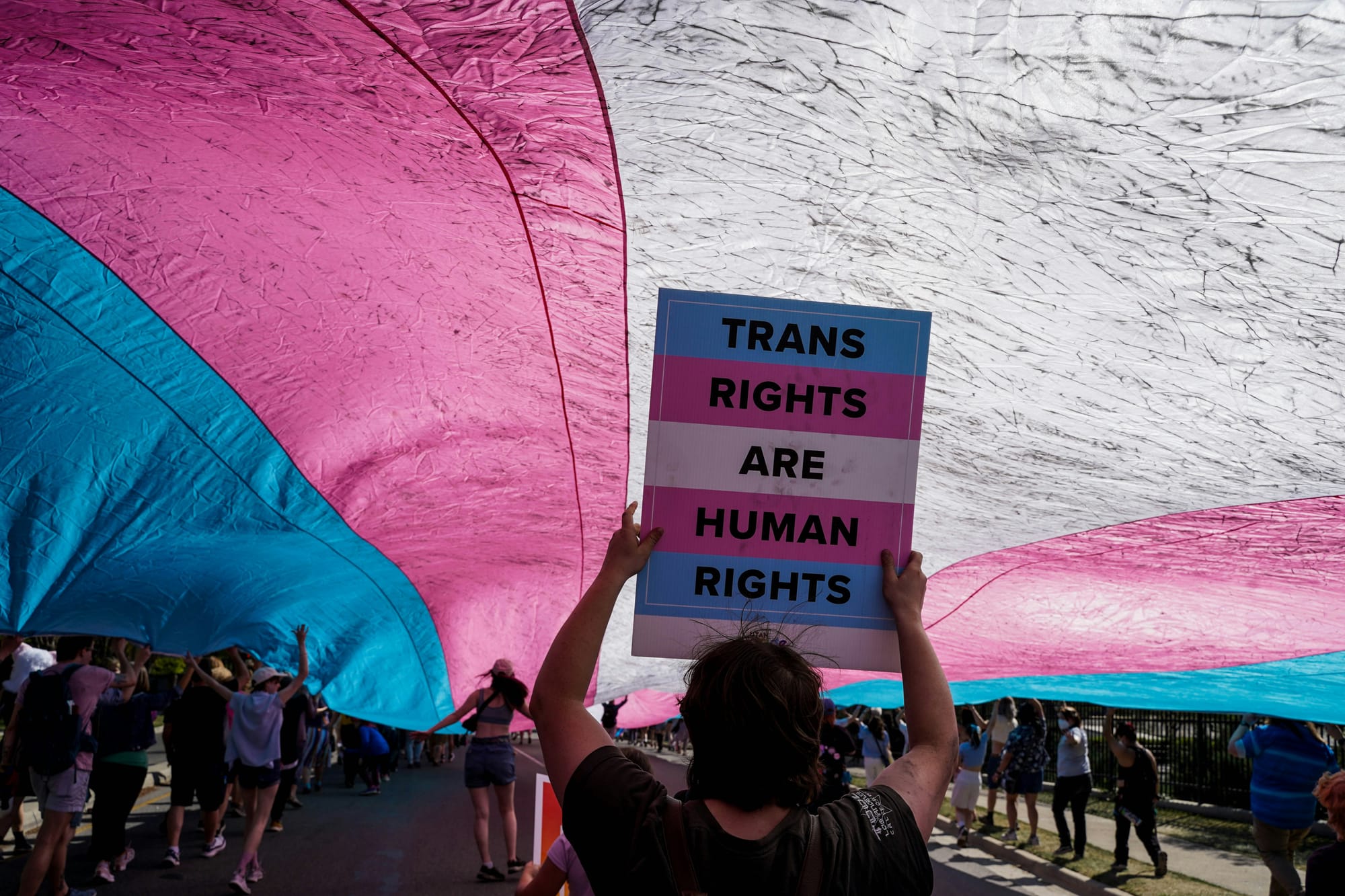
Good Law Project argues that position is inconsistent with a High Court ruling delivered in February. In that judgment, the court said there could be circumstances in which allowing trans women to use female facilities while requiring other biological men to use male facilities would amount to different, but not necessarily less favourable, treatment.
The government has faced political opposition over the move. More than 160 MPs signed an Early Day Motion calling on ministers to reject the draft code before its adoption.
Jess O'Thomson, trans rights lead at Good Law Project, said: "It is abhorrent that despite widespread opposition this government has continued its attacks on trans human rights.
"The code is not only discriminatory, but utterly unworkable in practice - as so many organisations have repeatedly pointed out. The guidance gets the law wrong, and if service providers uncritically follow it, they may be acting unlawfully.
"Worse than that – they will be causing immense harm, and helping to strip trans people of their rights."
"The code is not only discriminatory, but utterly unworkable in practice."
Although the code applies directly to service providers and associations rather than employers, campaigners say it is likely to have a wider impact on organisations seeking to comply with equality law.
Good Law Project is currently appealing against a separate High Court decision relating to the EHRC. The appeal argues that requiring trans people to use separate facilities amounts to discrimination and breaches their human rights.
The outcome of that case could have broader implications for workplaces as well as services and associations, and may affect future interpretations of the law underpinning the guidance.
Scene was founded in Brighton in 1993, at a time when news stories about Pride protests were considered radical.
Since then, Scene has remained proudly independent, building a platform for queer voices. Every subscription helps us to report on the stories that matter to LGBTQ+ people across the UK and beyond.
Your support funds our journalists and contributes to Pride Community Foundation’s grant-making and policy work.



Member discussion