



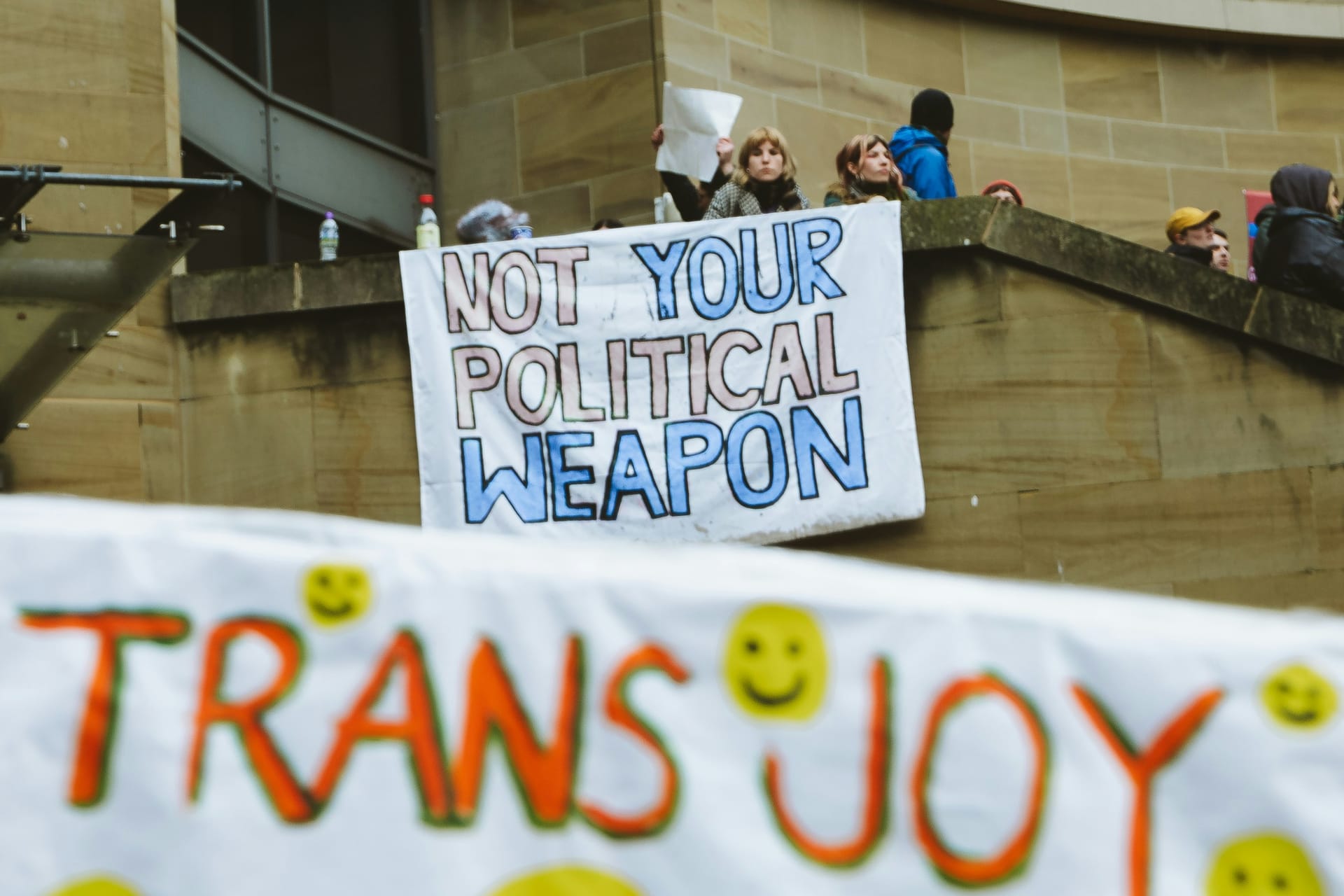
The Equality and Human Rights Commission’s (EHRC) revised Code of Practice is set to clear Parliament today after the end of its 40-day scrutiny period, despite opposition from more than 160 MPs and growing pressure on ministers to revisit the guidance.
With no parliamentary vote scheduled before the deadline, the code will pass automatically, allowing the government to bring it into force at a later date through a ministerial order. The existing Code of Practice would also need to be revoked before the new guidance could take effect.
Campaigners say the development marks a significant setback for trans rights in the UK and are calling on the government to reform the underlying law following last year’s Supreme Court judgment.
Alexandra Parmar-Yee, director of Trans+ Solidarity Alliance, criticised the government’s handling of the issue. “This creates a dark legacy on LGBTQ+ rights for Starmer’s government, cementing the UK’s status as an international outlier in its treatment of trans people. Labour must reset and legislate urgently to put our legal framework back on a fair and workable footing, in line with Parliament’s original intent.
“The government has refused to allow time for this harmful guidance to be debated or voted on, but it can still listen to the more than 90 Labour MPs who have rebelled and signed the motion to stop it and think again. Trans people’s legal protections are fundamentally broken, which will cause real and everyday harms.”
A parliamentary “prayer” motion seeking to block the code attracted signatures from 166 MPs from across the House of Commons, including more than 90 Labour backbenchers. The motion was tabled by Labour MP Nadia Whittome, who also wrote to Education Secretary Bridget Phillipson on Wednesday urging the government to reconsider its approach.
Although the code is expected to complete scrutiny today, it will not come into force immediately. Under provisions in the Equality Act 2006, ministers must take further steps before it becomes legally operative, a process that could take several more weeks.
Opponents of the guidance have highlighted concerns raised in the government’s own Equality Impact Assessment. The assessment acknowledges that some trans people could face a “disproportionate risk of violence and sexual assault” as a result of the changes. It also warns that increased scrutiny of access to single-sex spaces could lead to wider “gender policing”, with women perceived as masculine potentially facing greater challenges and questioning.
LGBTQ+ organisations argue that the controversy stems from uncertainty created by the Supreme Court’s judgment and are urging ministers to introduce legislation that they say would restore clarity and legal protections for trans people.
The government has not indicated that it plans to schedule a parliamentary vote on the code before the scrutiny period expires. As a result, the revised guidance is expected to pass automatically at the close of proceedings today.
Scene was founded in Brighton in 1993, at a time when news stories about Pride protests were considered radical.
Since then, Scene has remained proudly independent, building a platform for queer voices. Every subscription helps us to report on the stories that matter to LGBTQ+ people across the UK and beyond.
Your support funds our journalists and contributes to Pride Community Foundation’s grant-making and policy work.



Member discussion