



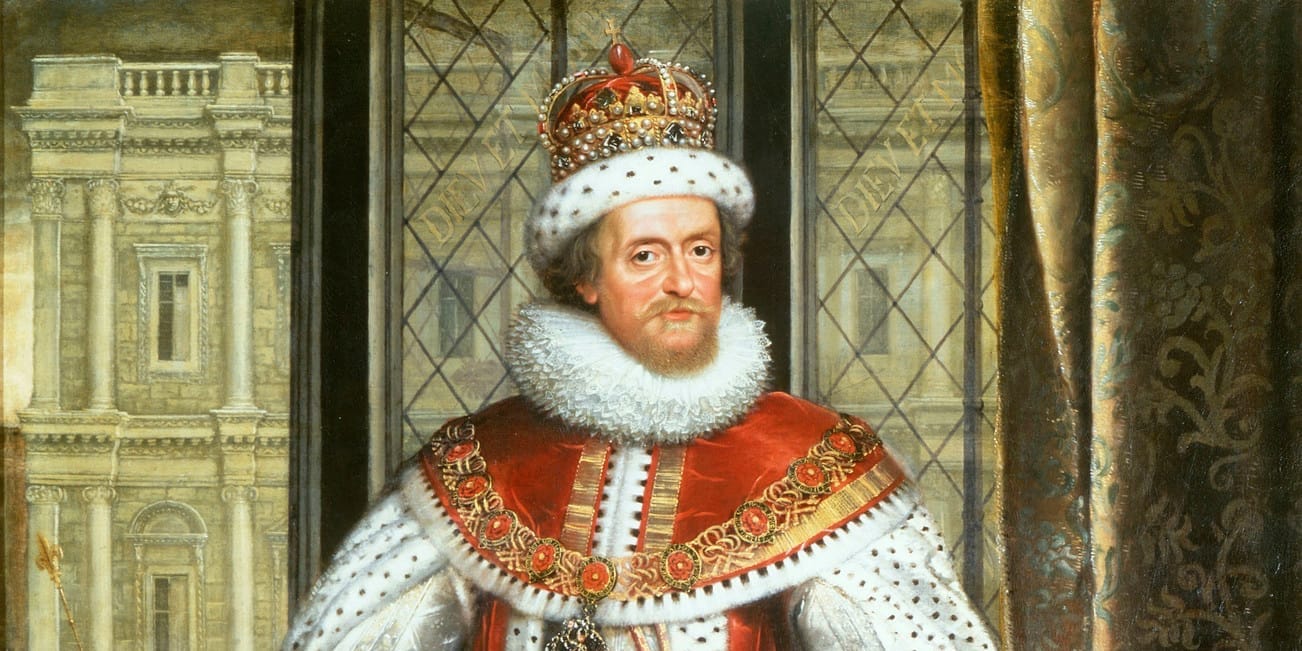
A new BBC documentary is set to revisit the private life of King James I, raising fresh questions about whether he could be considered 'Britain’s first gay monarch'.
Queen James, airing on BBC Two and iPlayer on 18 June at 9pm as part of Pride Month, delves into the relationships and personal history of the Jacobean ruler, who reigned over England, Scotland and Ireland in the early 17th century.
Presented by historian Gareth Russell, the programme examines what he describes as “mountains of firsthand evidence” suggesting the king had romantic and sexual relationships with men - evidence long overlooked or downplayed by historians.
The documentary draws on a collection of newly highlighted letters in which James expresses affection for a number of male favourites, including the Duke of Buckingham, whom he referred to in intimate terms.
Russell argues that the language used in the correspondence challenges the long-held view that such relationships were purely platonic.
“For centuries, historians chose not to publish or engage with these letters,” he says in the programme, adding that attitudes during the Victorian era led to key details of the king’s life being suppressed.
James I is best known for commissioning the King James Bible, patronising the arts, and ruling during events such as the Gunpowder Plot. However, Queen James seeks to widen the understanding of his legacy by examining the influence of his personal relationships on his court and political life.
The documentary also explores how his inner circle was shaped by a succession of male favourites, whose influence often extended into matters of governance.
Despite this, his wife, Queen Anna, remained a central public figure, with historians suggesting the king’s relationships did not challenge her position in the same way a female rival might have done.
Interest in James’s private life has grown in recent years, fuelled by new research and cultural portrayals of the period.
Russell says surviving letters - discovered across archives in Britain and Ireland - offer a more complete picture of the monarch, arguing they should be seen as an integral part of his story rather than something to be hidden.
Scene was founded in Brighton in 1993, at a time when news stories about Pride protests were considered radical.
Since then, Scene has remained proudly independent, building a platform for queer voices. Every subscription helps us to report on the stories that matter to LGBTQ+ people across the UK and beyond.
Your support funds our journalists and contributes to Pride Community Foundation’s grant-making and policy work.

Member discussion