

REVIEW: Maurice (1987)
Director James Ivory's Maurice turns 39 this year, and it still stands out like a small cinematic miracle, a gay love story from 1987, at the height of the AIDS crisis, that dares to have a happy ending


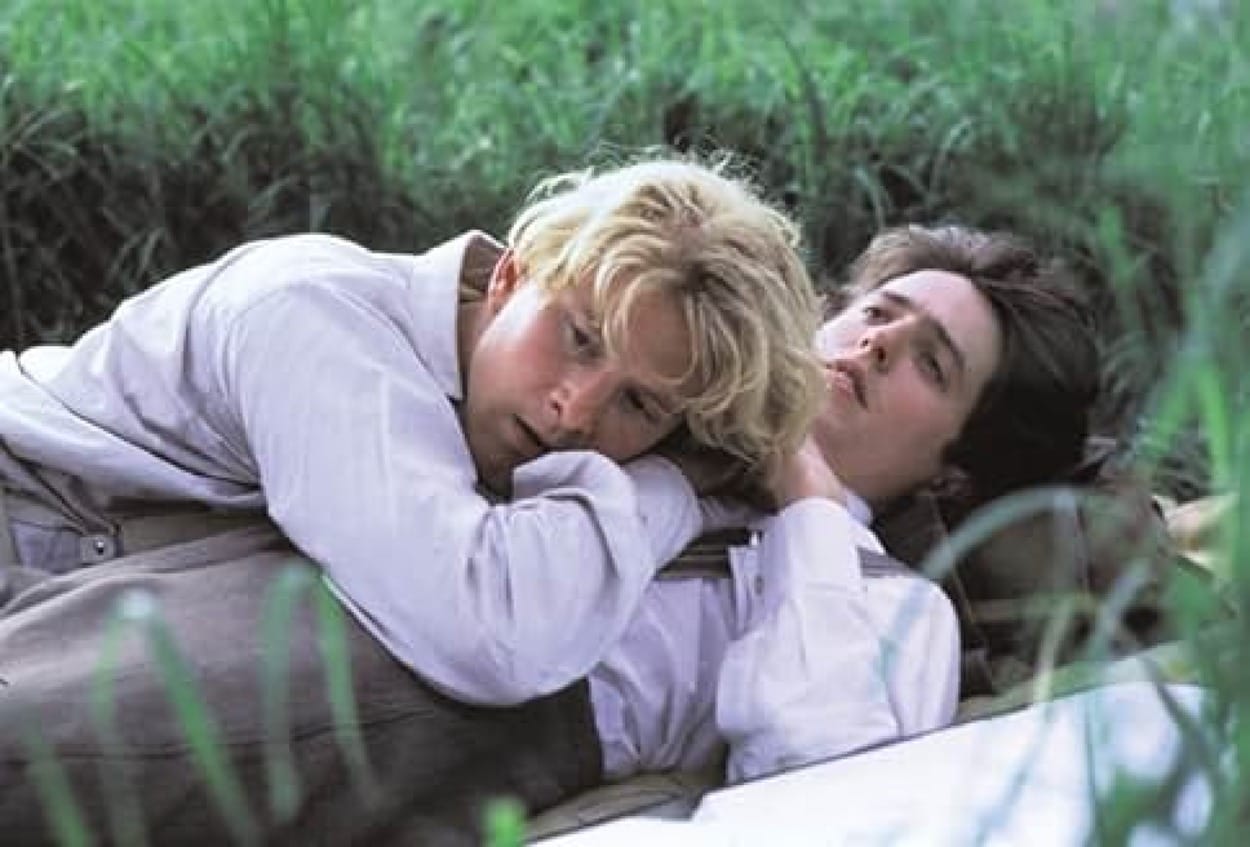
Hello cinema lovers. Director James Ivory's Maurice turns 39 this year, and it still stands out like a small cinematic miracle, a gay love story from 1987, at the height of the AIDS crisis, that dares to have a happy ending. Powerhouse production company Merchant Ivory took a great risk and quite a bit of opposition to make this film, and it's a seminal work in gay cinema.
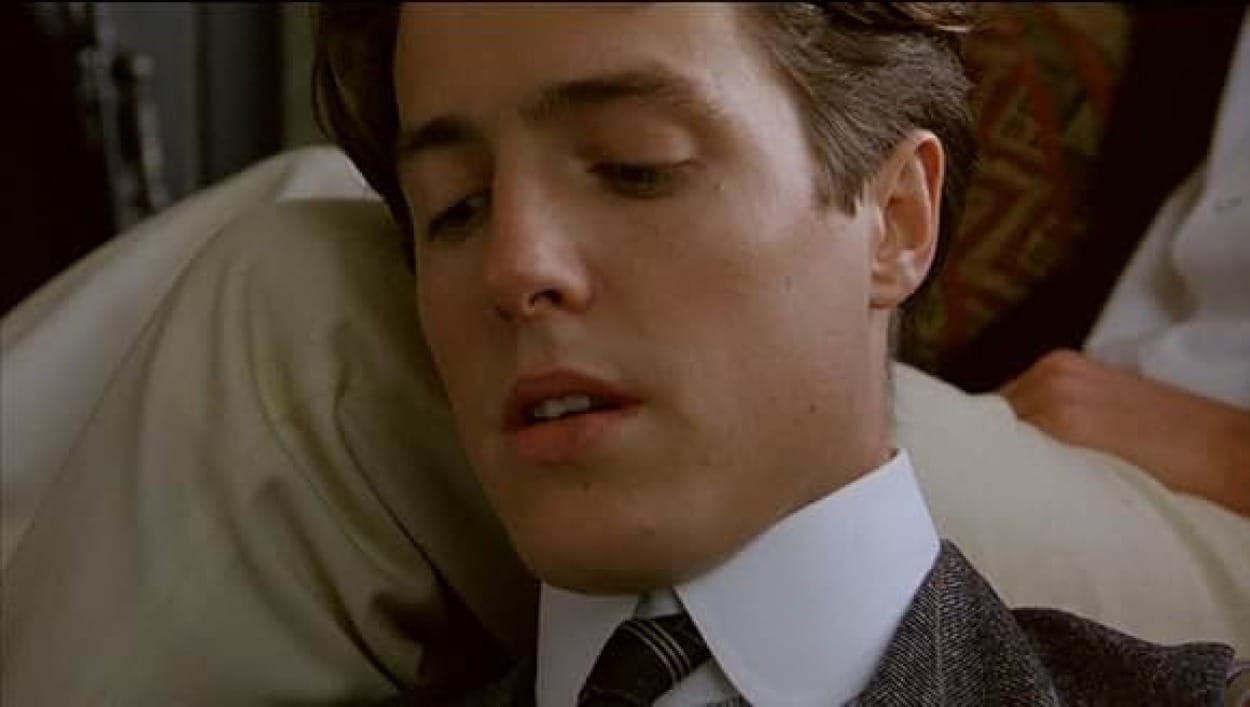
Adapted from E.M. Forster's posthumously published novel, the film follows the handsome James Wilby as Maurice Hall and is set in Edwardian England. The amusing opening scene depicts a stilted beachside lesson on "the sacred mystery of sex" related to a young fatherless Maurice. Swiftly moving on to the Cambridge years, where he falls for a young, posh and totally beautiful Hugh Grant as Clive Durham. Clive confesses his feelings first. Maurice is initially horrified but later reciprocates.
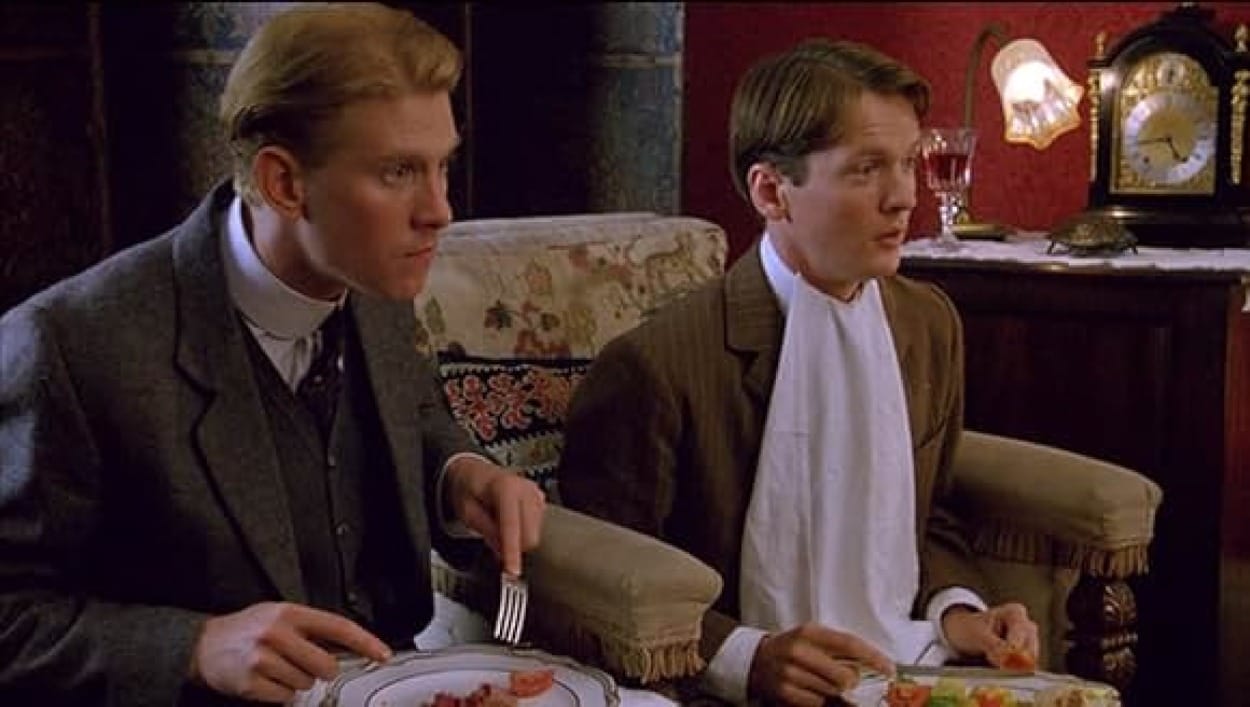
Their romance stays chaste due to Clive's unwillingness to take the next step. He believes sex would ruin them both. When Clive's friend Lord Risley (Mark Tandy) is arrested for picking up a hot soldier and falling into a police trap. News of his downfall causes Clive to scuttle into the closet in a sad downward spiral of self-loathing.
Eventually, he marries a poor, unsuspecting woman. Maurice is left alone and devastated. Later in the movie, hope arrives in the form of Rupert Graves, who enters as the smouldering Alec Scudder. He's a gamekeeper on Clive's estate, who climbs a ladder into Maurice's bedroom one warm night and changes everything for both men.
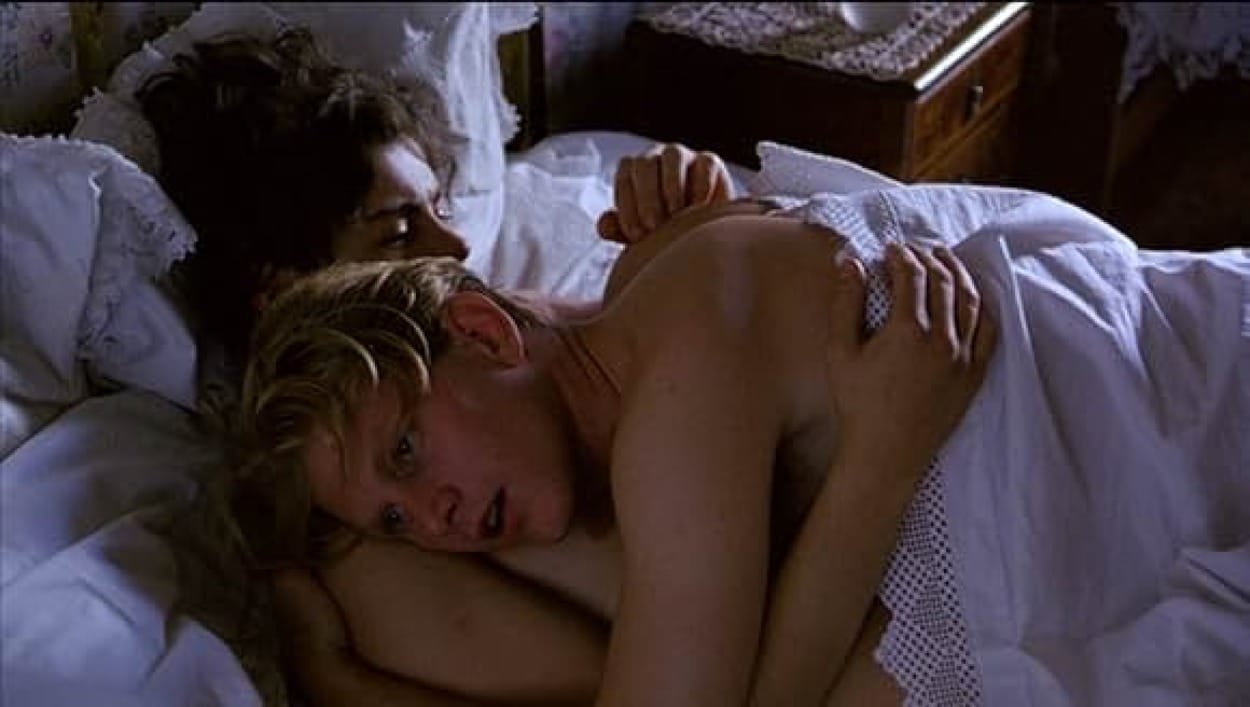
Wilby is the film's quiet powerhouse. He plays Maurice as a man constantly on the verge of falling apart, his true feelings only revealed through his expressions. It's a performance that risks looking undercooked and instead reads as horribly suppressed, which is the point of his portrayal. Grant, in only his second film, is exceptionally good here, initially all floppy-haired and doe-eyed early on, before morphing into a nervous, selfish coward by the second half of the story. It's no real surprise he became a superstar actor down the road.
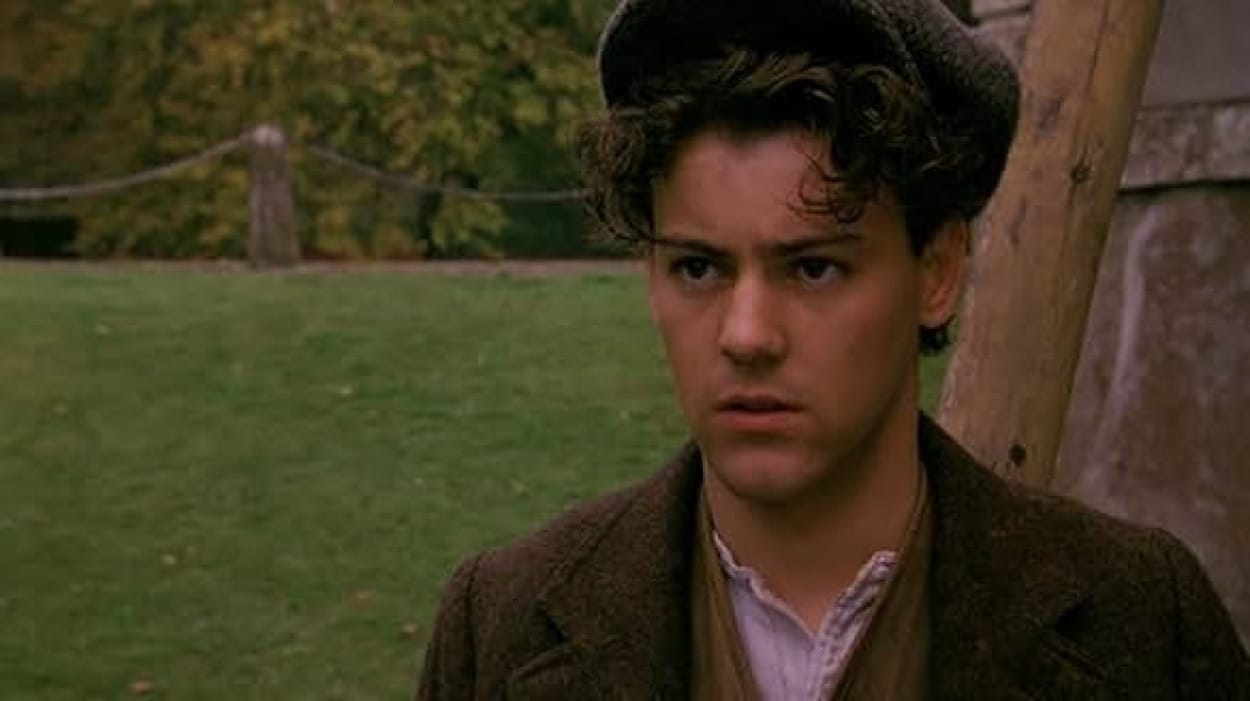
Graves gives Alec a sulky, then wild, working-class identity that never tips into stereotype. It's a small but pivotal role that he pitches well. Denholm Elliott and Simon Callow, both Merchant Ivory regulars, work hard and add an Edwardian world view in their brief roles. The wonderful Billie Whitelaw makes the most of too little screen time as Maurice's sweet but totally unaware mother.
This film is Merchant Ivory at full bloom, at the peak of their 1980s powers. The cinematography lovingly treats Cambridge and the fictional country estate of Pendersleigh with care. It also treats the men's various naked bodies with respect and the beauty they inspire. never crude or creepy, the male form is on display here with affection.
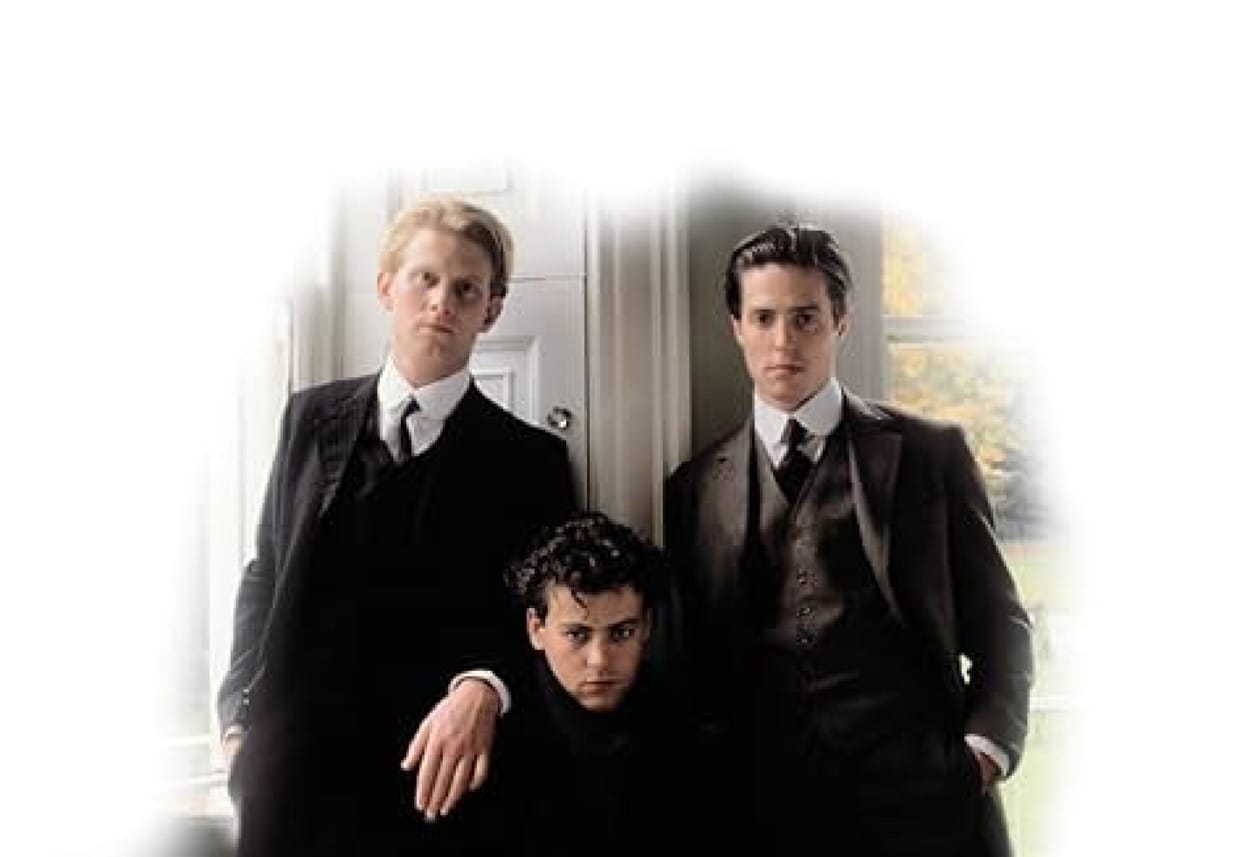
The movie's soundtrack does much of the emotional lifting where the script leaves certain feelings unspoken, particularly in that final silent shot of Clive at the window of his huge, stately closet in the shape of a house. The class dynamics between Maurice and Alec deserve more room than the film gives them. Their romance is very sweet, but it is also assembled too quickly. My main criticism of the movie is that it spends too much time on Clive's doomed affection and not enough on Alec's brave declarations.
Where Maurice earns its place in gay cinema is its refusal to flinch away from its subject matter. There's a good bit of full-frontal nudity here, man-on-man desire filmed without apology. For 1987, a homosexual main character who ends the film happy rather than being punished or dead is groundbreaking. Compare that to the depressing end of Brokeback Mountain, which arrived nearly 20 years later.
Alec's iconic line to Maurice, that they'll never be parted now, remains one of the most romantic sentences ever spoken in a British film.
However, at times, the script wanders into complete pretentiousness, particularly in the first hour. All that aside, as a document of Edwardian gay love and a movie that lets its hero win, Maurice still deserves high marks. Essential viewing for anyone interested in a queer film education or simply revisiting a cherished classic from the 1980s, when gay men had little to cheer about. well worth a watch.
Maurice is available to stream now on Amazon Prime, BFI Player and Apple TV.
Scene was founded in Brighton in 1993, at a time when news stories about Pride protests were considered radical.
Since then, Scene has remained proudly independent, building a platform for queer voices. Every subscription helps us to report on the stories that matter to LGBTQ+ people across the UK and beyond.
Your support funds our journalists and contributes to Pride Community Foundation’s grant-making and policy work.



Member discussion