

A Rare Chance to Stand Before the Quilt
Five blocks of the UK AIDS Quilt are on show at Sussex University’s Meeting House, tomorrow until Sunday 18 October, as part of Coast is Queer. Free to enter. Stand among the names, the sequins and the love stitched into every panel. Don’t miss this rare chance.


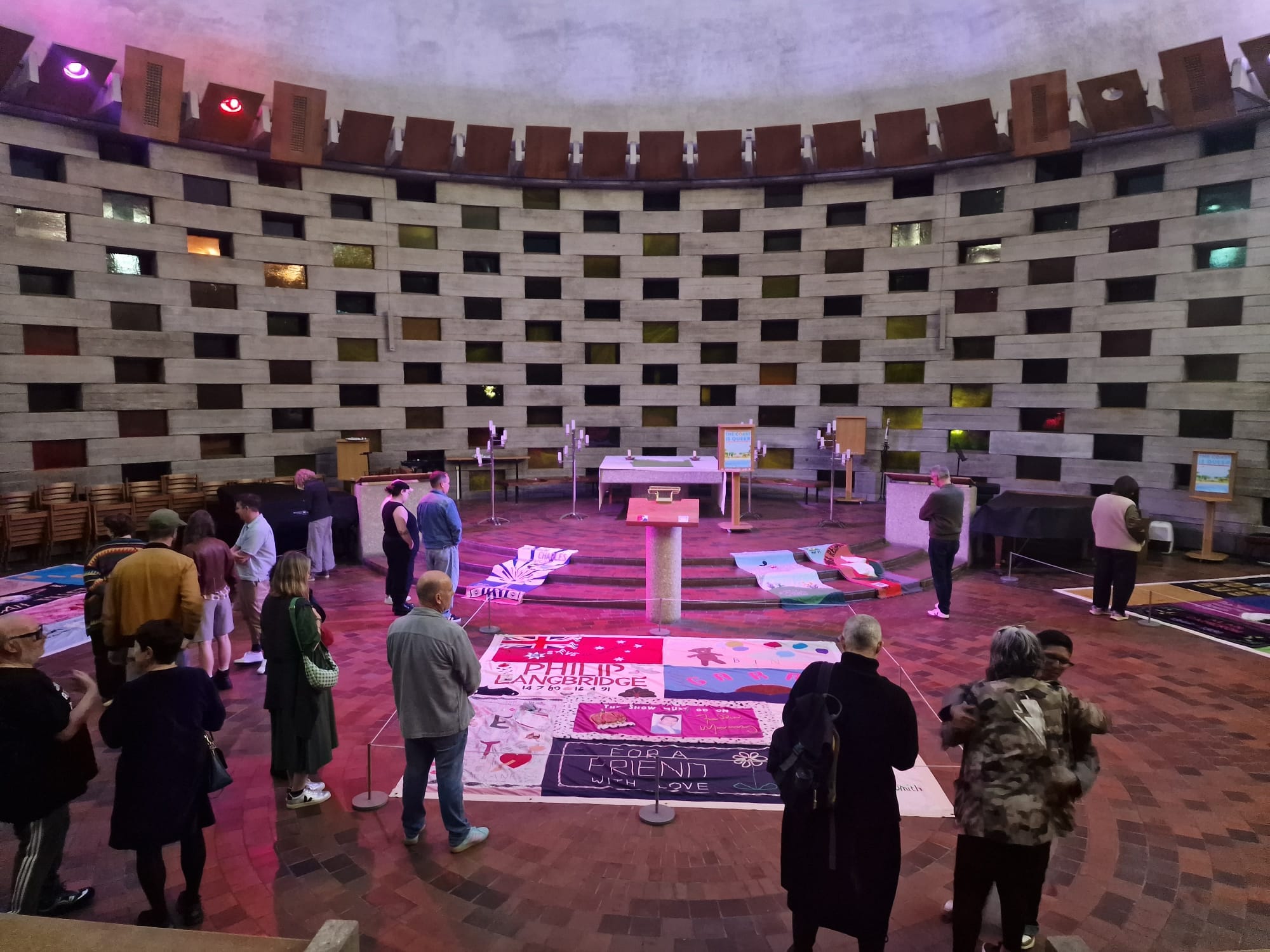
Five blocks of the UK AIDS Quilt will be on display to the public until Sunday 18 October at the Meeting House on the University of Sussex campus, as part of the Coast is Queer literary festival.
There are exhibitions you visit and exhibitions that visit you. The UK AIDS Quilt belongs firmly to the second kind. This weekend, Brighton audiences are offered a rare chance to view selected panels of this extraordinary work in the incredible atmosphere of one of the city’s best buildings, and it is hard to imagine a more fitting pairing of object and place.
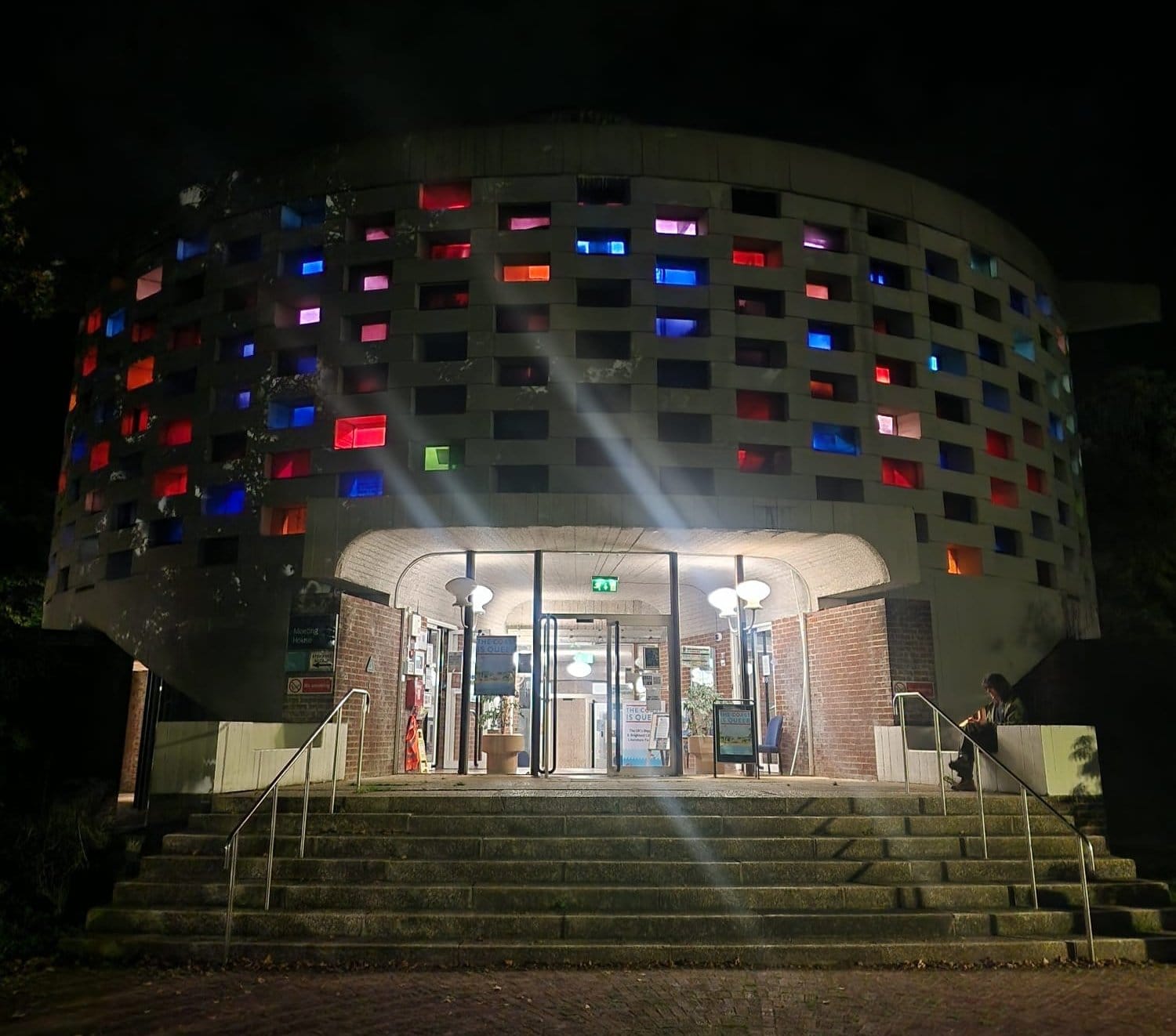
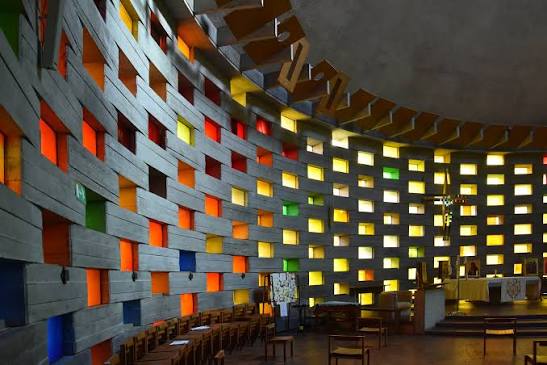
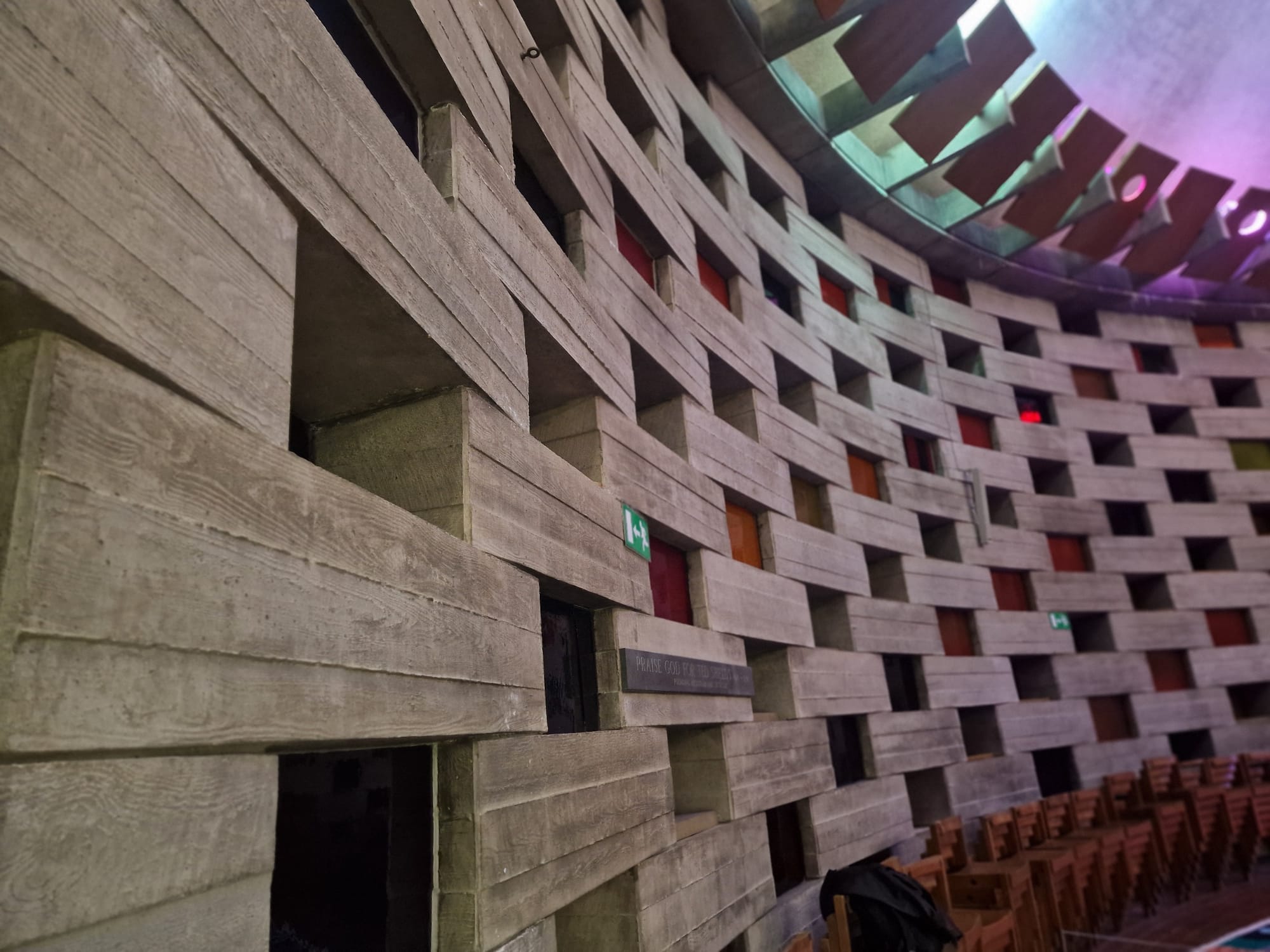
Sir Basil Spence’s Meeting House, completed in 1966, is a quietly astonishing building. Its low brick drum, ringed by a moat of water and capped with a gently sloping roof, feels part sanctuary, part rainbow glazed bunker, part Byzantine dream. Inside, the light is soft and the pure acoustics hush even the chattiest visitor. Conceived as a room for contemplation, it asks you to slow down before you have even looked at anything. Seeing the Quilt inside it is profound: a space built for reflection meeting a work that is reflection made tangible.
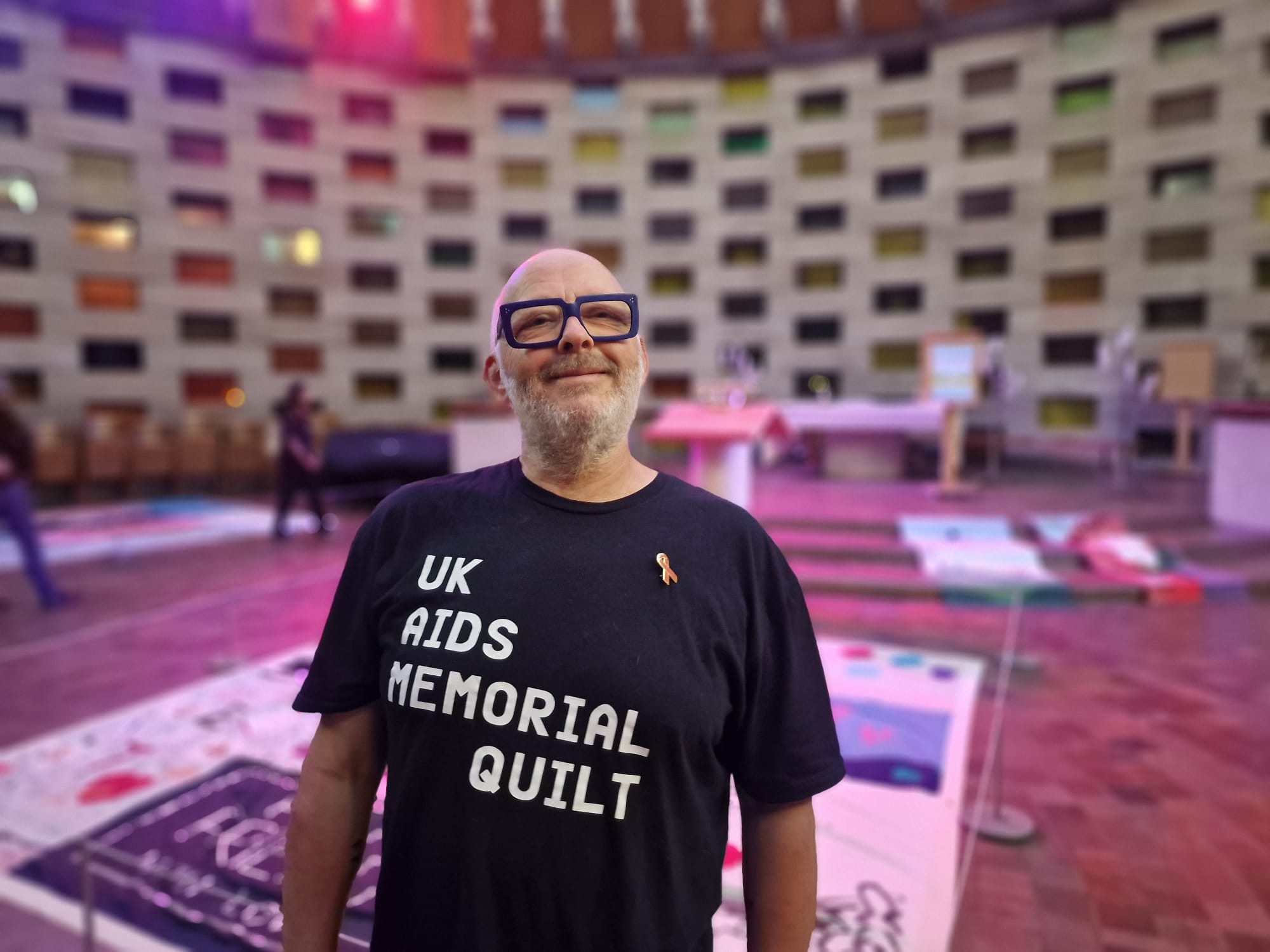
For those who need the background, the Quilt grew from the grief and fury of the 1980s and 90s, when the AIDS crisis was taking a generation of gay men, along with women, trans people, drug users, haemophiliacs and children, often to a chorus of official silence and tabloid cruelty. Families were frequently shut out of funerals, and memorials were denied or sanitised. The response was beautifully, defiantly domestic. Friends, lovers and relatives began stitching panels, each roughly the size of a grave, to say who someone was and that they had been loved. The idea began in San Francisco with the NAMES Project, and the UK took up the practice, with panels made across the country and gathered into the collection that survives today. The panels have been brought to the city by Harry Hillery, founder of the Brighton AIDS Memorial project,
Standing before a block, is how little these panels resemble solemn public monuments. They are gloriously, stubbornly personal. There are sequins and satin, denim and leather, photographs, favourite records, a lover’s shirt cut up and sewn into place. A drag queen’s feathers sit beside a child’s handprint. Names are spelled out with tender, wonky care. These are the textures of actual lives, camp and funny and ordinary as well as cut short, and the humour on show is as moving as the sorrow. Anyone who has ever been told that queer grief is something to hide will find the Quilt’s refusal to whisper bracing and cathartic.
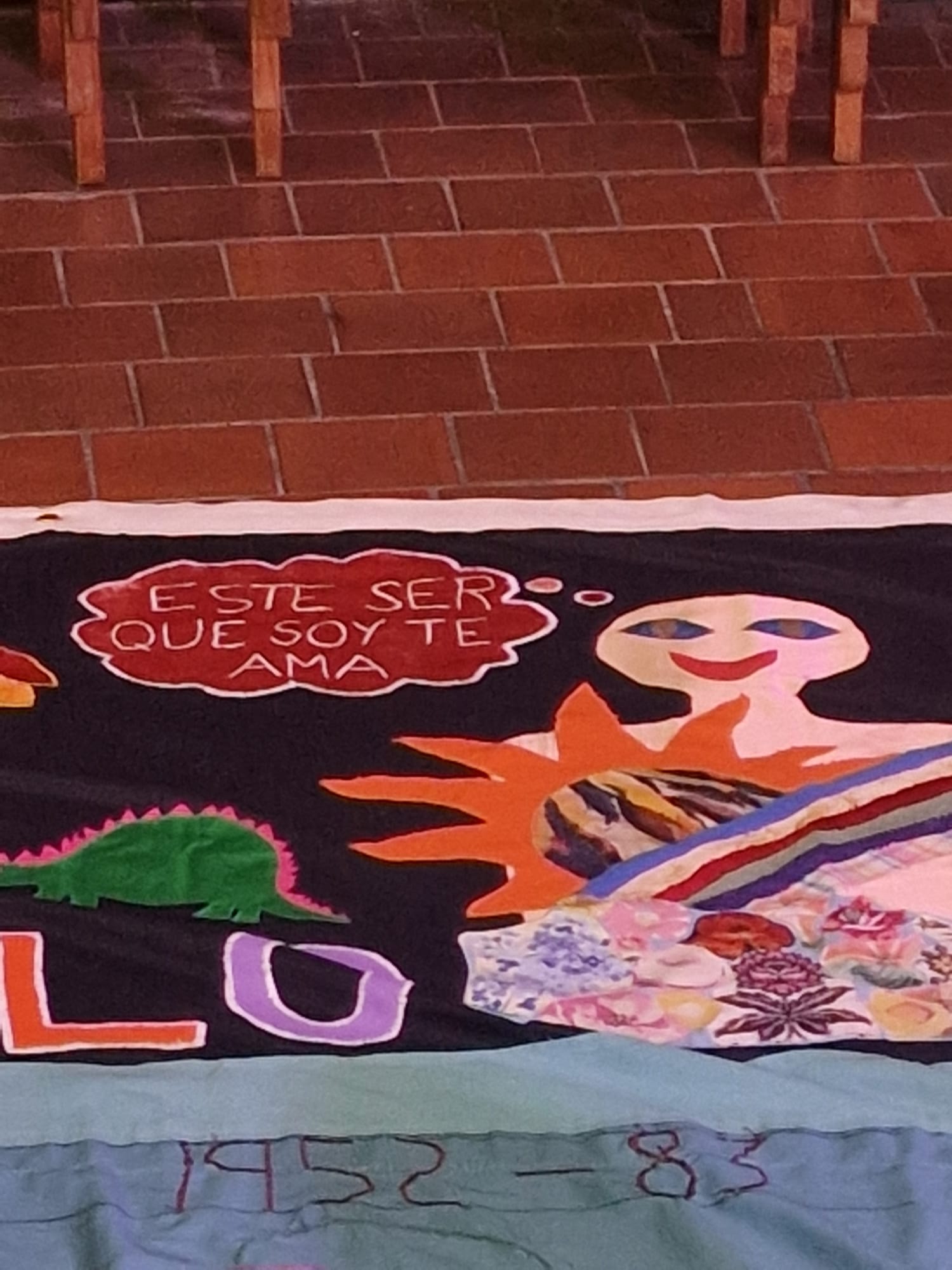
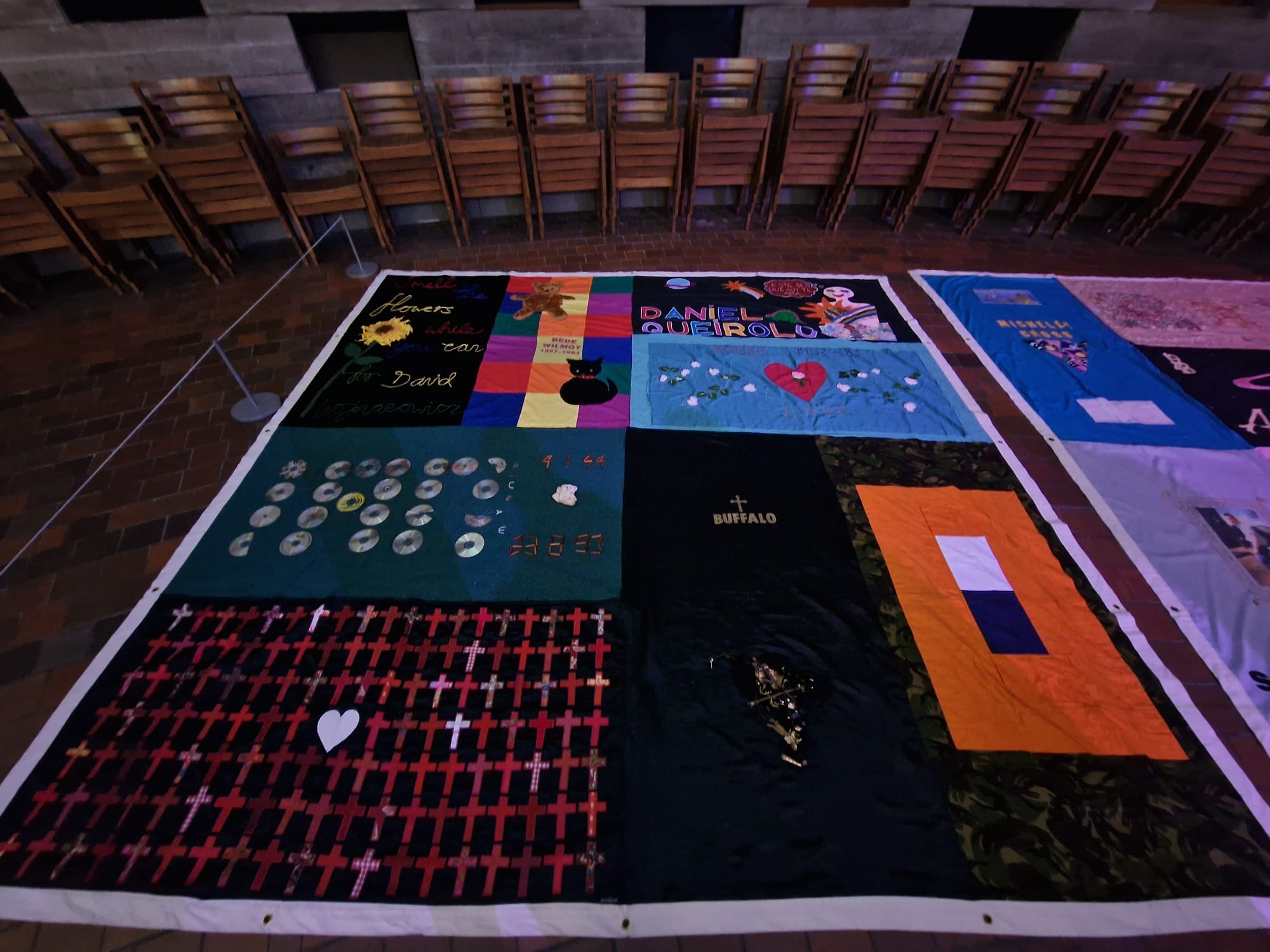
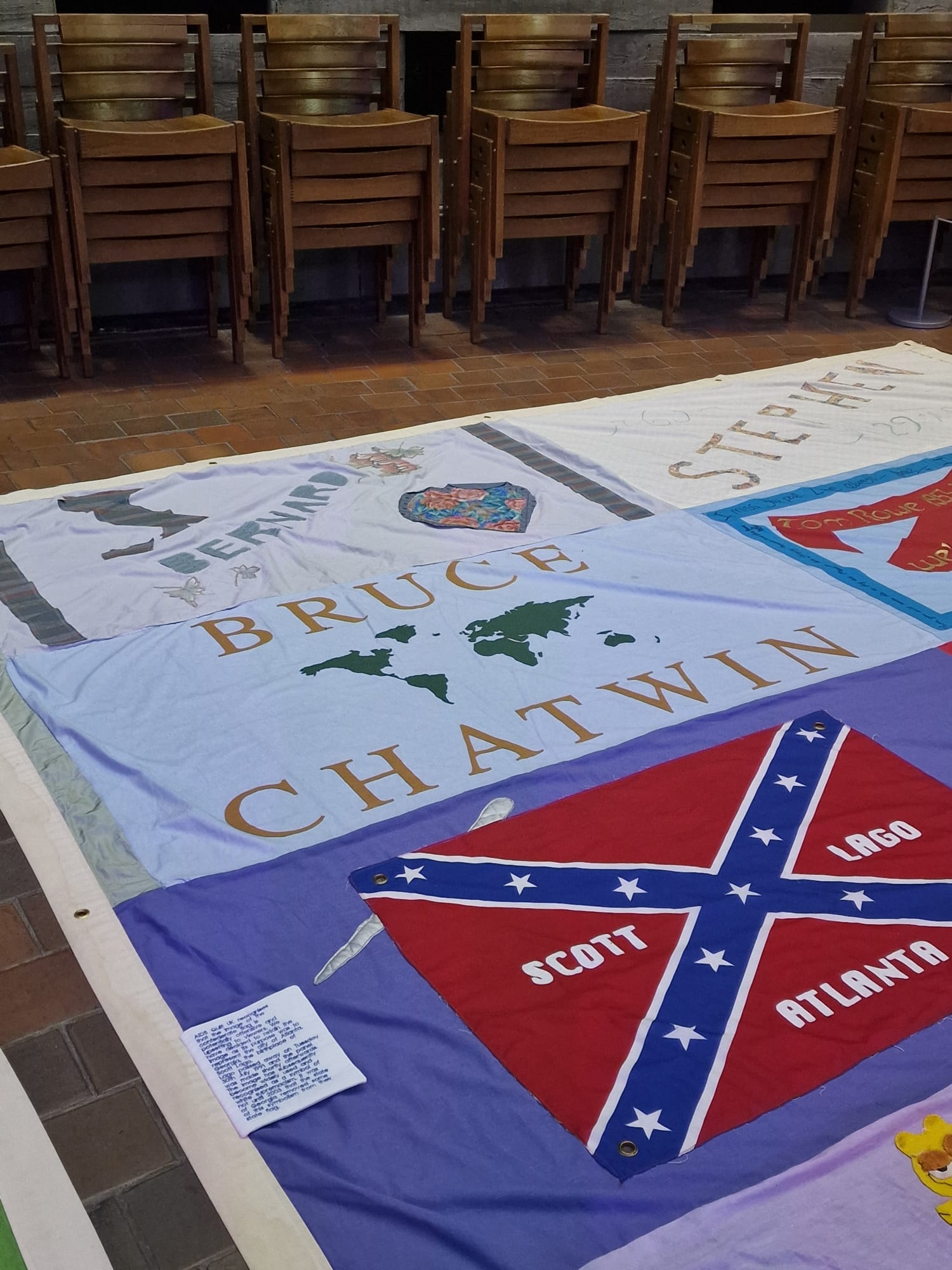
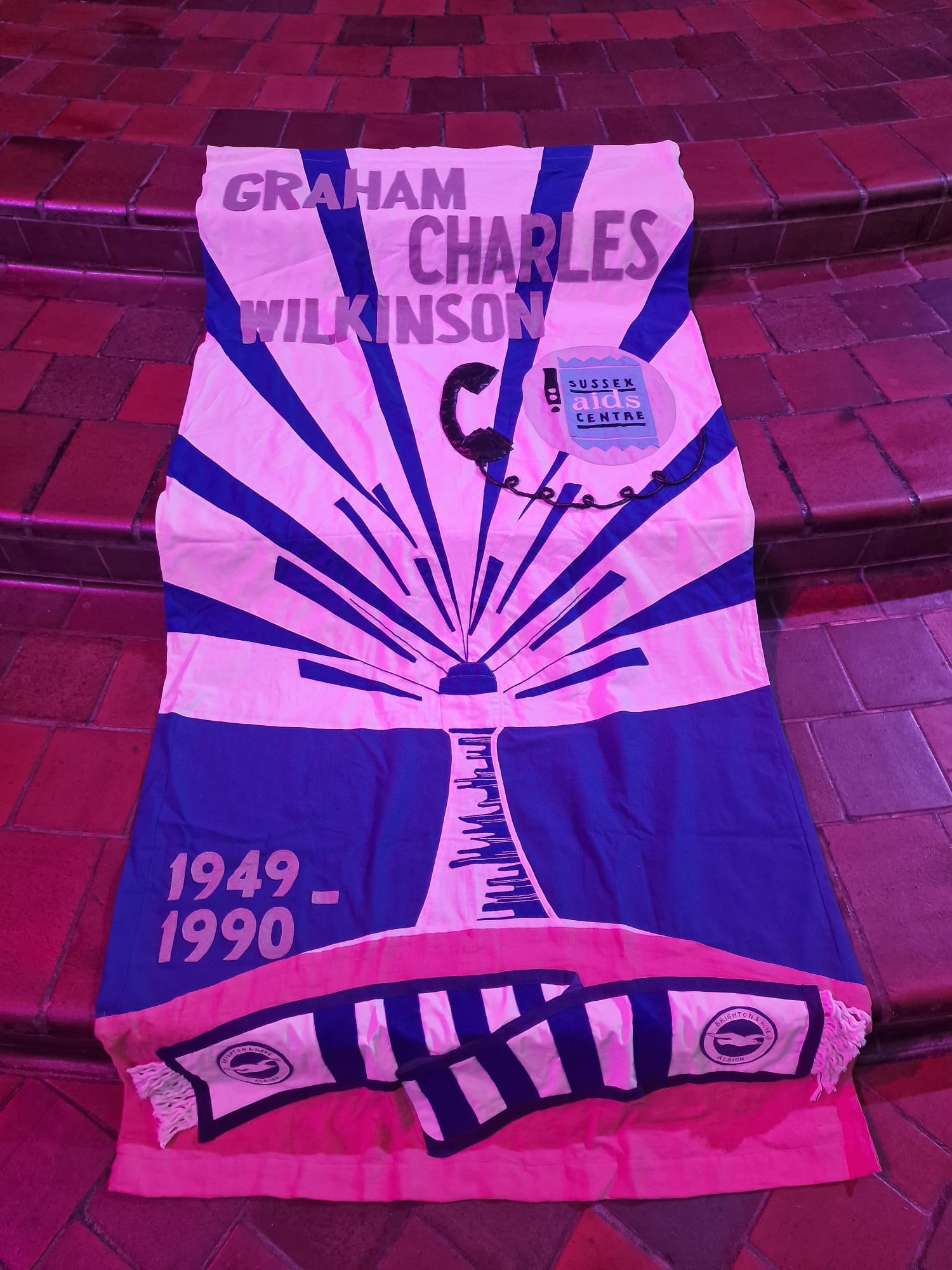
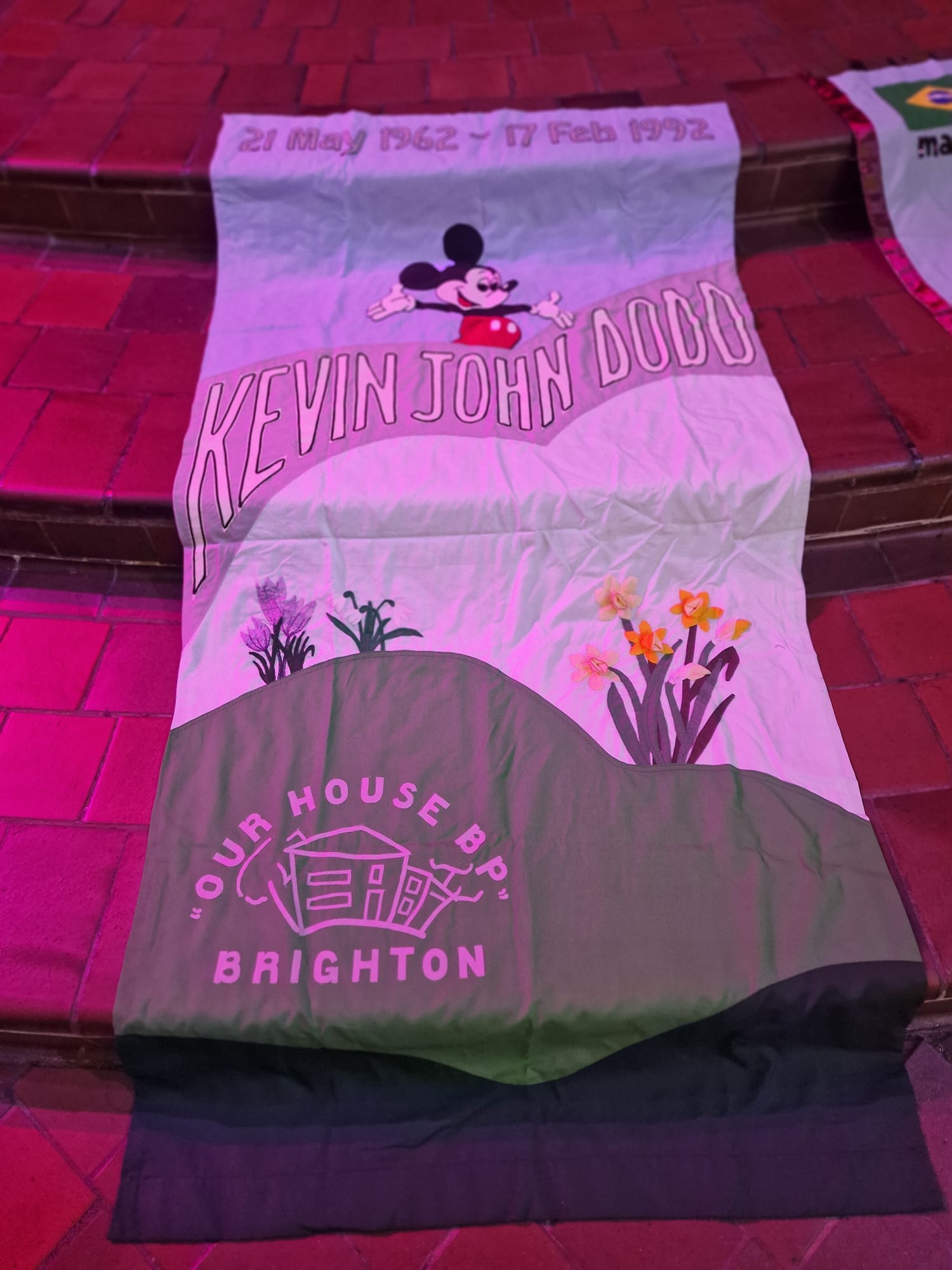
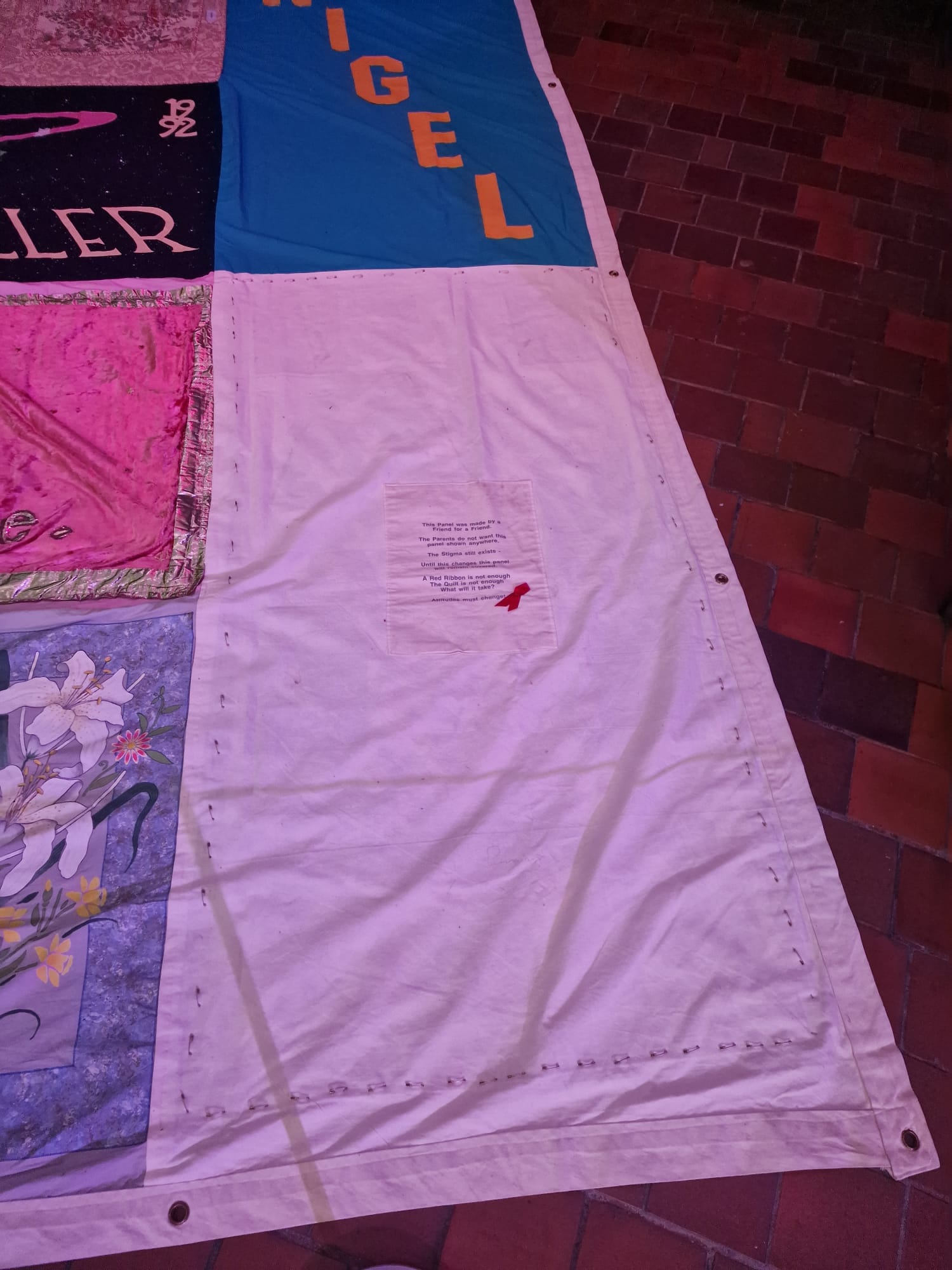
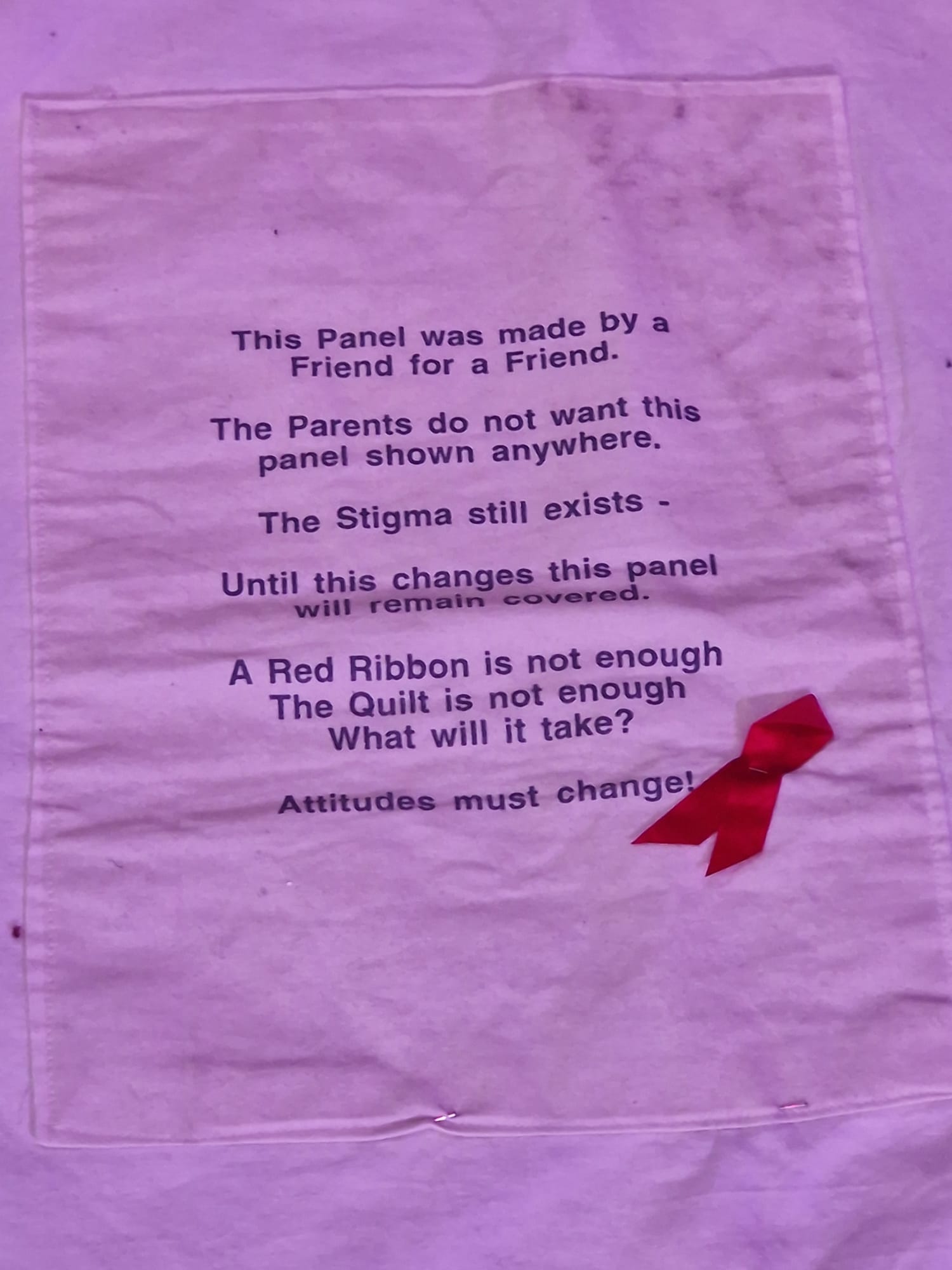
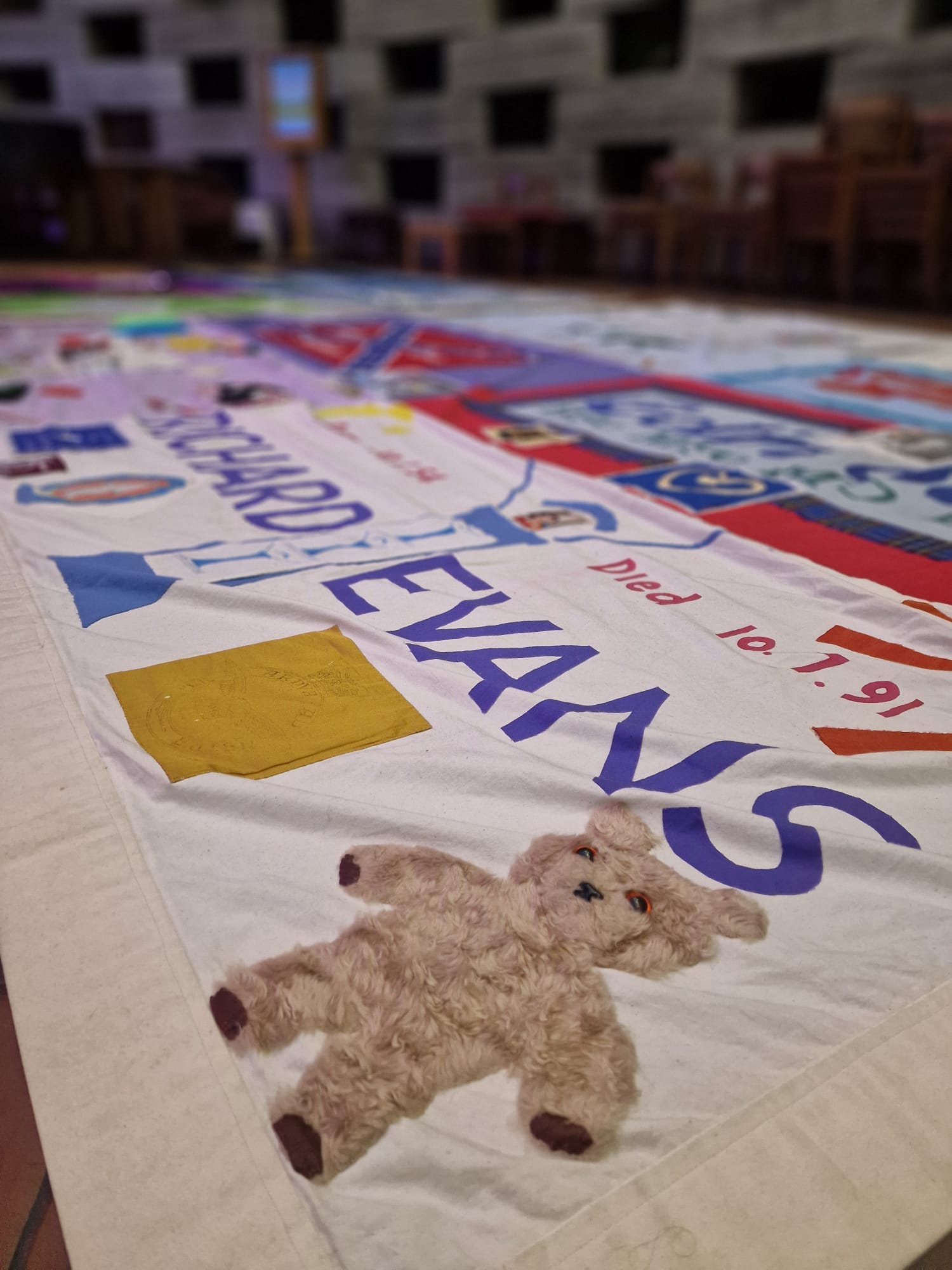
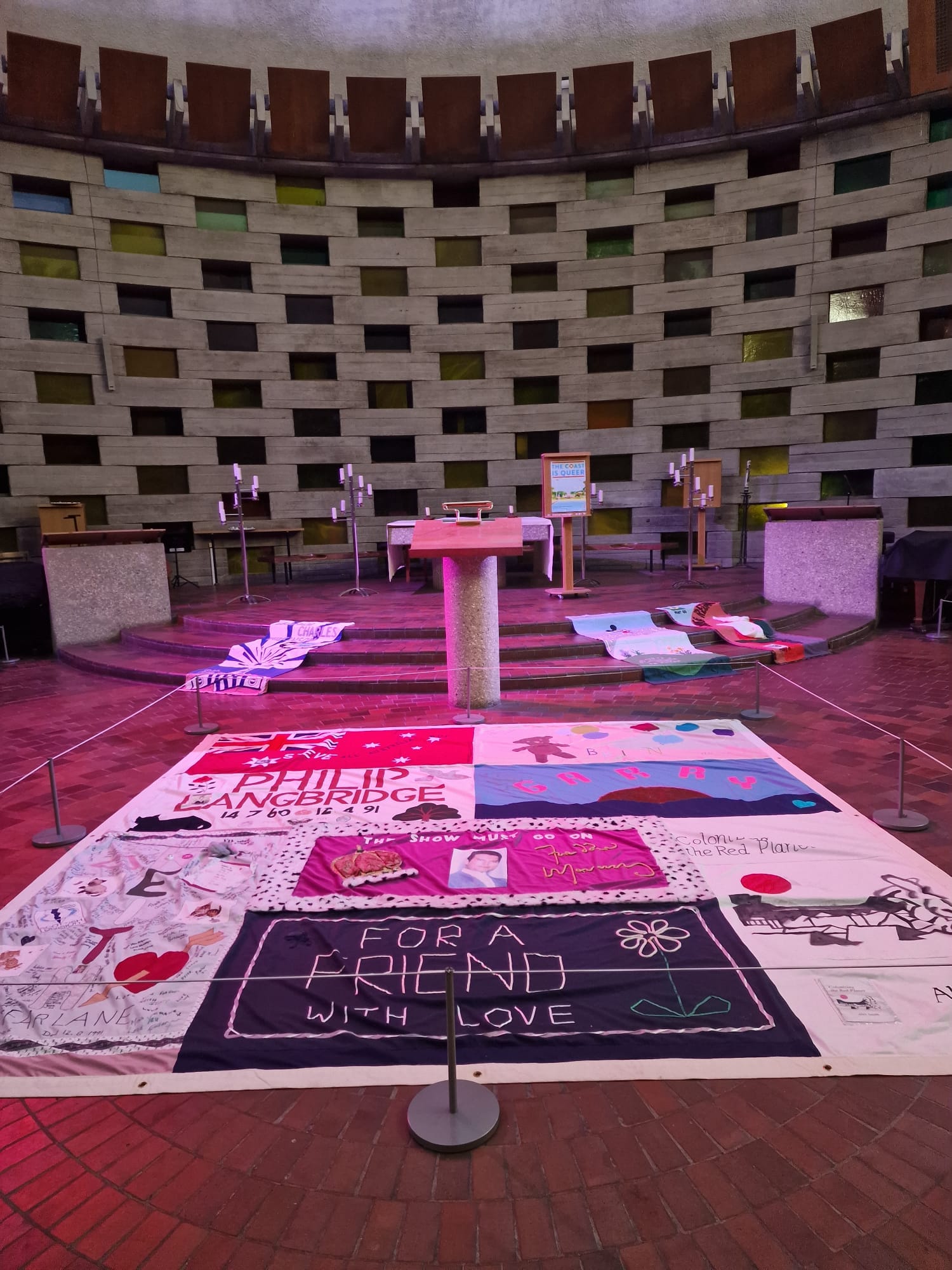
With panels remembering people who lived in Brighton and Hove, older visitors may find names they knew, faces from the clubs and campaigns and kitchen tables of their youth. Younger visitors, who have grown up with effective treatment, PrEP and the reality of undetectable meaning untransmittable, will encounter the human cost of a history too often left out of the classroom. The Quilt makes no demands, but it quietly insists that we know where we come from, and that the freedoms and medical advances we now take for granted were bought dearly, and fought for by people who deserved so much more time.
Its place in Coast is Queer feels exactly right. A literary festival is, at heart, about stories and who gets to tell them, and the Quilt is among the most democratic storytelling projects ever attempted: thousands of authors, none of them professionals, every one of them essential.
Practicalities are simple. Entry is open to the public, but give yourself time. Five blocks is a manageable number to take in, and the Meeting House rewards lingering. Bring a friend, or bring nobody, and let the room do its work.
This is not a show, it is a gathering, a remembrance, and for many a reunion. Go on Saturday, but go before Sunday 18 October ends. You are unlikely to get this close to so much love again for a long while.
Scene was founded in Brighton in 1993, at a time when news stories about Pride protests were considered radical.
Since then, Scene has remained proudly independent, building a platform for queer voices. Every subscription helps us to report on the stories that matter to LGBTQ+ people across the UK and beyond.
Your support funds our journalists and contributes to Pride Community Foundation’s grant-making and policy work.



Member discussion