



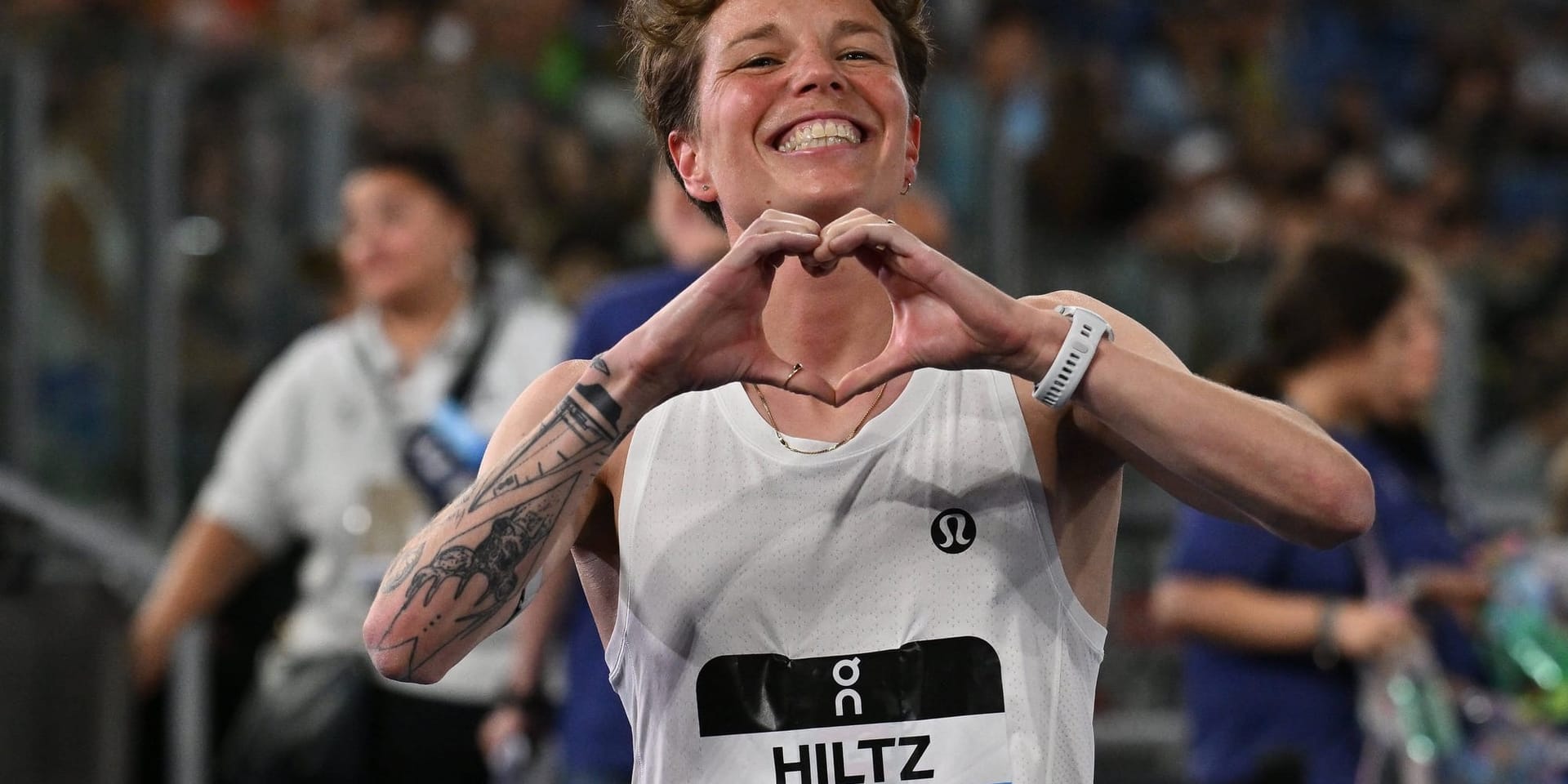
Trans and non-binary Olympic runner Nikki Hiltz has spoken of their disappointment after the US Supreme Court upheld state laws restricting trans athletes from competing in girls’ and women’s school sports.
The landmark 6-3 ruling backed laws in West Virginia and Idaho that require student athletes to compete according to their biological sex at birth rather than their gender identity. The decision is expected to have implications for transgender participation in school sports across much of the United States.
Hiltz, who identifies as trans and non-binary and uses they/them pronouns, said they were “not surprised” by the decision but remained disappointed by the outcome. Speaking after winning the mile race at the Prefontaine Classic in Eugene, Oregon, Hiltz said they hoped to challenge negative perceptions of transgender people in sport.
“For me, I want to show that trans people can be in sport, be affirmed in their gender,” Hiltz told The Athletic. “We’re not these big, scary things.”
The Olympian also described it as a “really weird time” for many communities in the United States, particularly transgender people, amid growing political and legal debates over participation in sport.
Hiltz has become one of the most prominent LGBTQ+ athletes in American athletics. They represented the United States in the women’s 1,500 metres at the Paris Olympics and have frequently spoken publicly about gender identity and inclusion in sport. Hiltz has previously described their gender as fluid and said their experience does not fit neatly within traditional gender categories.
The Supreme Court's majority opinion, written by Justice Brett Kavanaugh, found that states can maintain female-only sports categories based on biological sex under Title IX and the Equal Protection Clause. Supporters of the ruling argue it protects fairness and opportunities in women’s sport.
However, LGBTQ+ advocacy groups have criticised the decision, arguing it could further marginalise transgender young people and limit their access to school activities. Hiltz's comments echo concerns among campaigners that transgender athletes have become a focal point in wider political debates about gender identity and inclusion.
Scene was founded in Brighton in 1993, at a time when news stories about Pride protests were considered radical.
Since then, Scene has remained proudly independent, building a platform for queer voices. Every subscription helps us to report on the stories that matter to LGBTQ+ people across the UK and beyond.
Your support funds our journalists and contributes to Pride Community Foundation’s grant-making and policy work.






Member discussion