



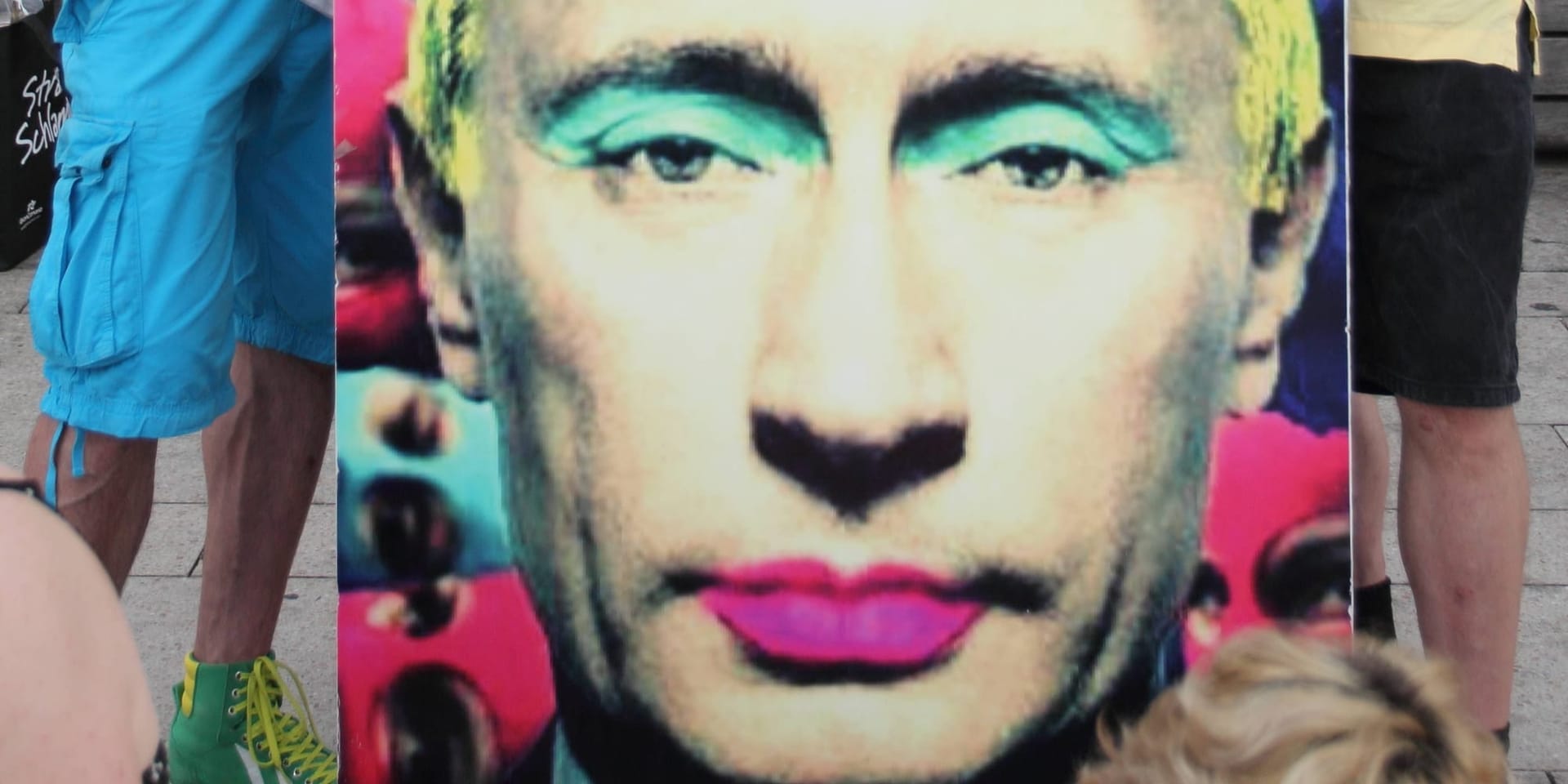
One of Russia’s most prominent LGBTQ+ rights organisations has announced it is shutting down after a court designated it an “extremist” organisation, a move campaigners say marks a further escalation in the country’s crackdown on LGBTQ+ people and civil society.
The Russian LGBT Network, founded in 2006, confirmed it would cease operations after a court ruling in April effectively banned its activities and exposed staff, volunteers and supporters to potential criminal prosecution.
The organisation has been one of the leading providers of legal, psychological and emergency support for LGBTQ+ people in Russia. It gained international recognition for helping people flee Chechnya during reports of a brutal anti-gay purge in the region.
On 27 April, the St Petersburg City Court ruled that the Russian LGBT Network was an extremist organisation following proceedings requested by Russia’s Ministry of Justice. The hearings were held behind closed doors, prompting criticism from human rights advocates over a lack of transparency and due process.
Announcing its closure, the organisation said the risks created by the ruling had made it impossible to continue operating publicly. “We made this decision after a serious risk assessment,” the group said in a statement shared on Telegram.
“Continuing our public work could endanger those who took part in the organisation's activities, supported it, or received help from it. We can't control the repressive environment, but we can do everything possible to avoid creating additional risks for people. People's safety comes first.”
Under Russian law, individuals linked to organisations designated as extremist can face severe penalties, including lengthy prison sentences. The classification can criminalise not only active participation in an organisation’s work but also expressions of support.
The closure follows a landmark ruling by Russia’s Supreme Court in November 2023, which banned what authorities described as the “international LGBT movement”. Human rights groups criticised the decision at the time, arguing that the vaguely defined designation could be used to target almost any form of LGBTQ+ advocacy or visibility.
Since March 2026, Russian courts have reportedly designated at least 11 LGBTQ+ organisations as extremist groups. Among those affected are Vykhod, Irida, Parni+, Center T, T9 NSK, Kallisto, the Resource Centre for LGBT, the Moscow Community Centre, the Alliance of Heterosexuals and LGBT for Equality, and SK SOS.
Campaigners warn that the closure of the Russian LGBT Network will leave many LGBTQ+ people without access to vital support services at a time when legal and social pressures continue to intensify.
The organisation’s disappearance marks the end of a significant chapter in Russia’s LGBTQ+ rights movement. For two decades, it has provided support to thousands of people facing discrimination, violence and persecution, becoming one of the country’s best-known advocates for LGBTQ+ equality.
Human rights groups say the ruling is part of a wider effort by Russian authorities to suppress independent organisations and further marginalise LGBTQ+ communities, leaving activists with increasingly limited space to operate.
Scene was founded in Brighton in 1993, at a time when news stories about Pride protests were considered radical.
Since then, Scene has remained proudly independent, building a platform for queer voices. Every subscription helps us to report on the stories that matter to LGBTQ+ people across the UK and beyond.
Your support funds our journalists and contributes to Pride Community Foundation’s grant-making and policy work.




Member discussion