



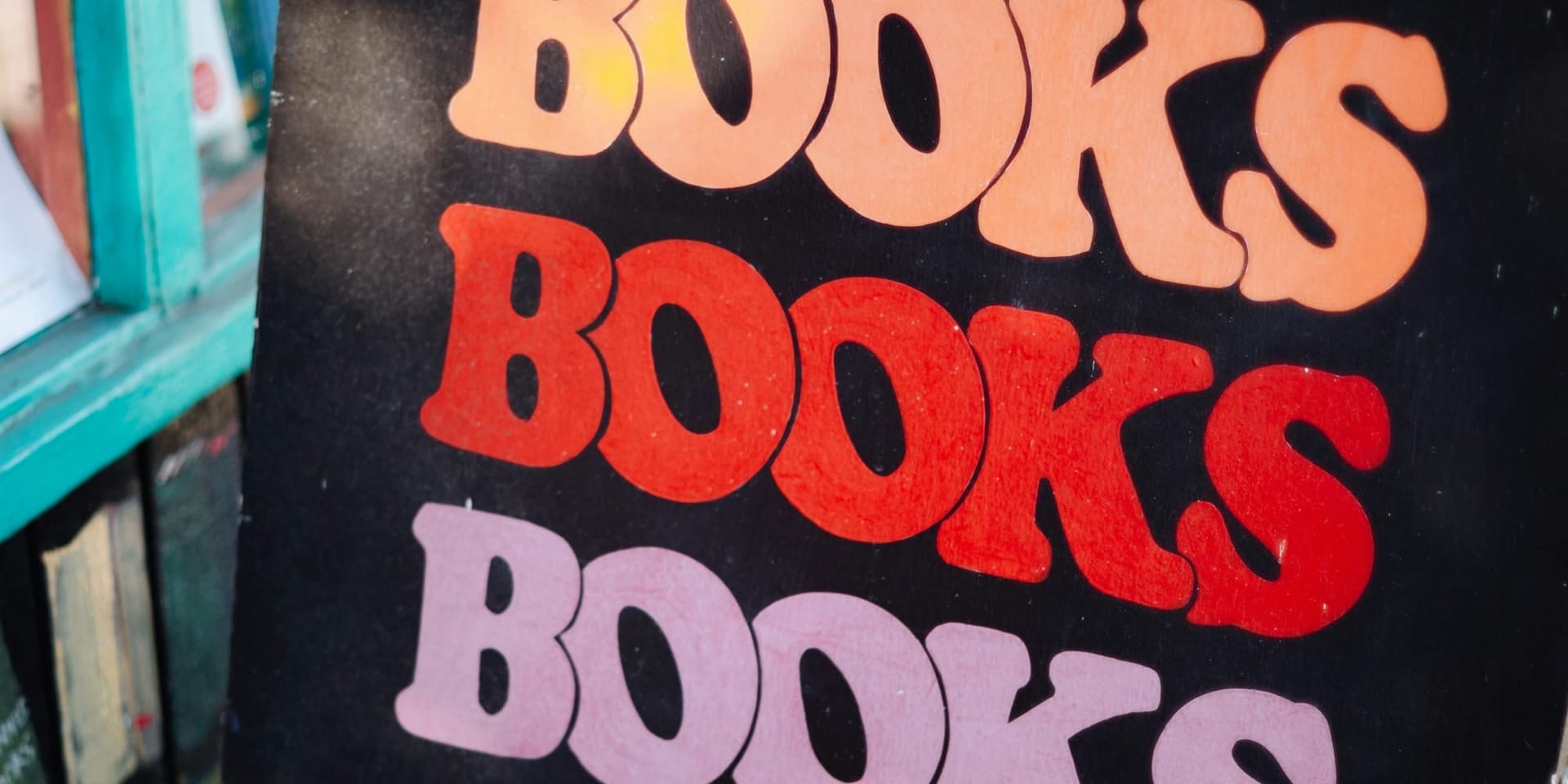
Norfolk County Council’s Reform UK administration has banned libraries from hosting Pride-themed displays and events, prompting criticism from trade unions and opposition politicians who say the move risks making LGBTQ+ residents feel less welcome in public spaces.
The new guidance instructs library staff not to create Pride displays or organise events linked to Pride Month or local Pride celebrations taking place across Norfolk this summer.
Reform councillors say the policy is intended to ensure libraries remain politically neutral and accessible to everyone. However, critics argue the move targets LGBTQ+ visibility and forms part of a wider culture-war agenda being pursued by the party since it took control of the council.
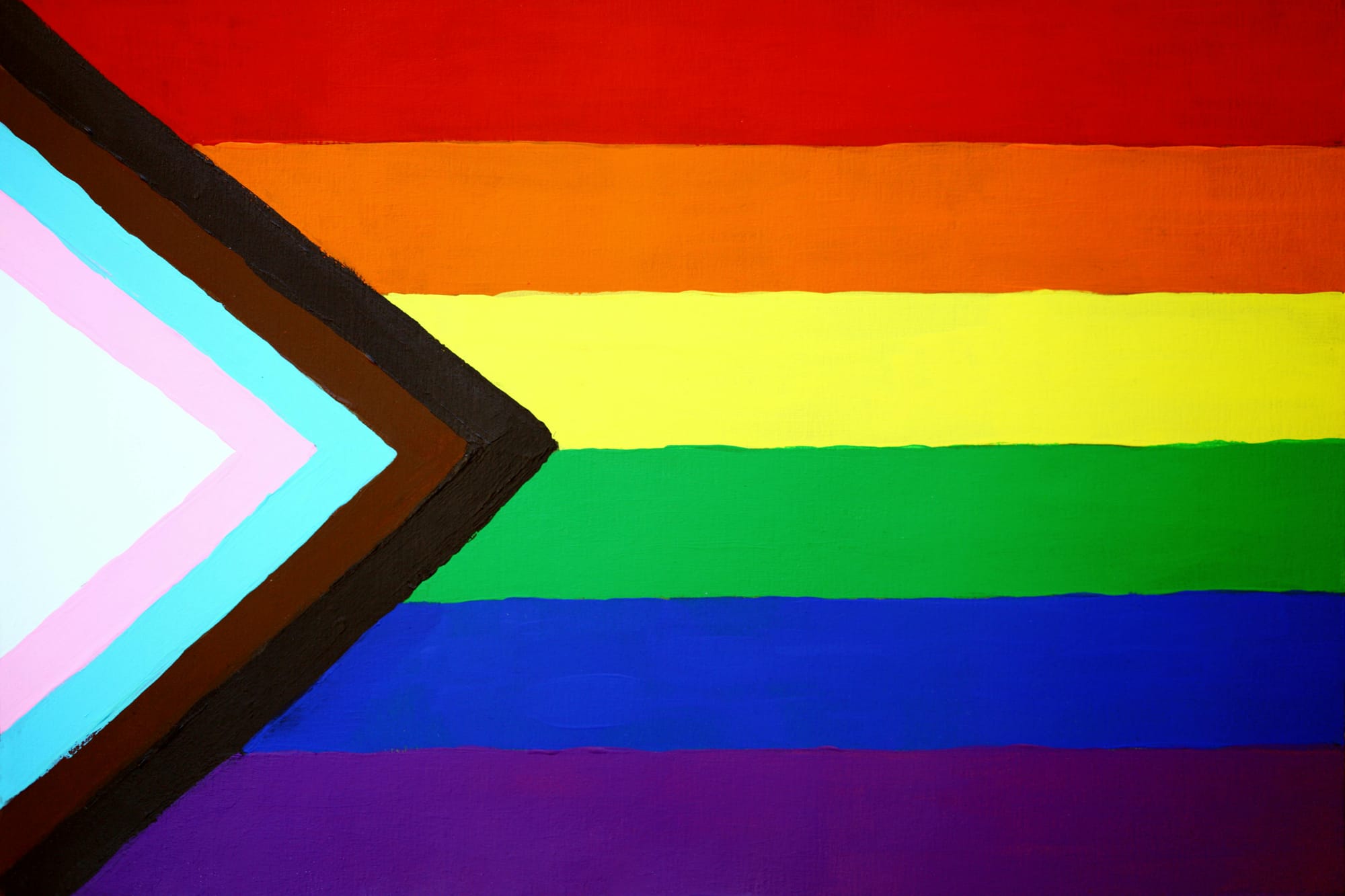
The decision follows an earlier row over the council’s refusal to fly the Progress Pride flag from County Hall, a move that sparked anger among some employees and helped fuel what staff have dubbed a “rainbow rebellion”.
Reform UK has long argued that Pride has become a political movement rather than simply a celebration of LGBTQ+ communities and equality.
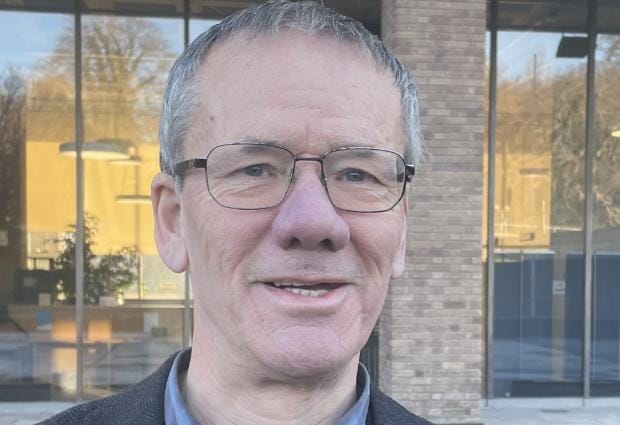
Scott Hussey, a senior Reform councillor, said the new guidance was introduced following concerns raised by local families about activities taking place in Norfolk libraries.
“Public buildings funded by Norfolk taxpayers must not be used to advance any political agenda or promote the interests of any campaign group, however well-intentioned,” he said.
“We have heard from residents who feel that hasn’t always been the case, particularly with regard to materials aimed at children.
“As such, we welcome the steps Norfolk County Council has taken to ensure its library and museum spaces are inclusive and politically neutral for all visitors.”
The party has also linked the decision to wider debates around transgender rights and what it describes as “gender ideology” - a term frequently used by critics of trans-inclusive policies.
The council's decision has drawn sharp criticism from Unison, which represents many local authority employees. Jamie Smith, the union’s eastern regional organiser, accused Reform of focusing on divisive cultural issues rather than public services.
“While Reform is busy clamping down on free speech and fighting culture wars, council staff will get on with providing the best service they can to the people of Norfolk,” he said.
“That includes making libraries genuinely open, welcoming and inclusive spaces for all residents, whatever signals councillors are trying to send.”
Brian Watkins, leader of the Liberal Democrat group at County Hall, said he was “extremely alarmed” by the decision.
Critics argue that removing Pride displays does not create neutrality but instead sends a message that LGBTQ+ identities are less deserving of recognition than other communities.
The dispute is the latest sign of mounting tensions between Reform councillors and sections of the council workforce.
Many staff members have reportedly been frustrated by the administration’s decisions to stop flying the Progress Pride and Ukraine flags, review the council’s net-zero policies and examine existing hybrid working arrangements.
Unison has previously described a “strong sense of disappointment” among employees following the arrival of the new administration and organised support sessions for staff who felt anxious or vulnerable as a result of the changes.
Reform councillors criticised those sessions, dismissing them as “snowflake sessions”.
Scene was founded in Brighton in 1993, at a time when news stories about Pride protests were considered radical.
Since then, Scene has remained proudly independent, building a platform for queer voices. Every subscription helps us to report on the stories that matter to LGBTQ+ people across the UK and beyond.
Your support funds our journalists and contributes to Pride Community Foundation’s grant-making and policy work.





Member discussion