



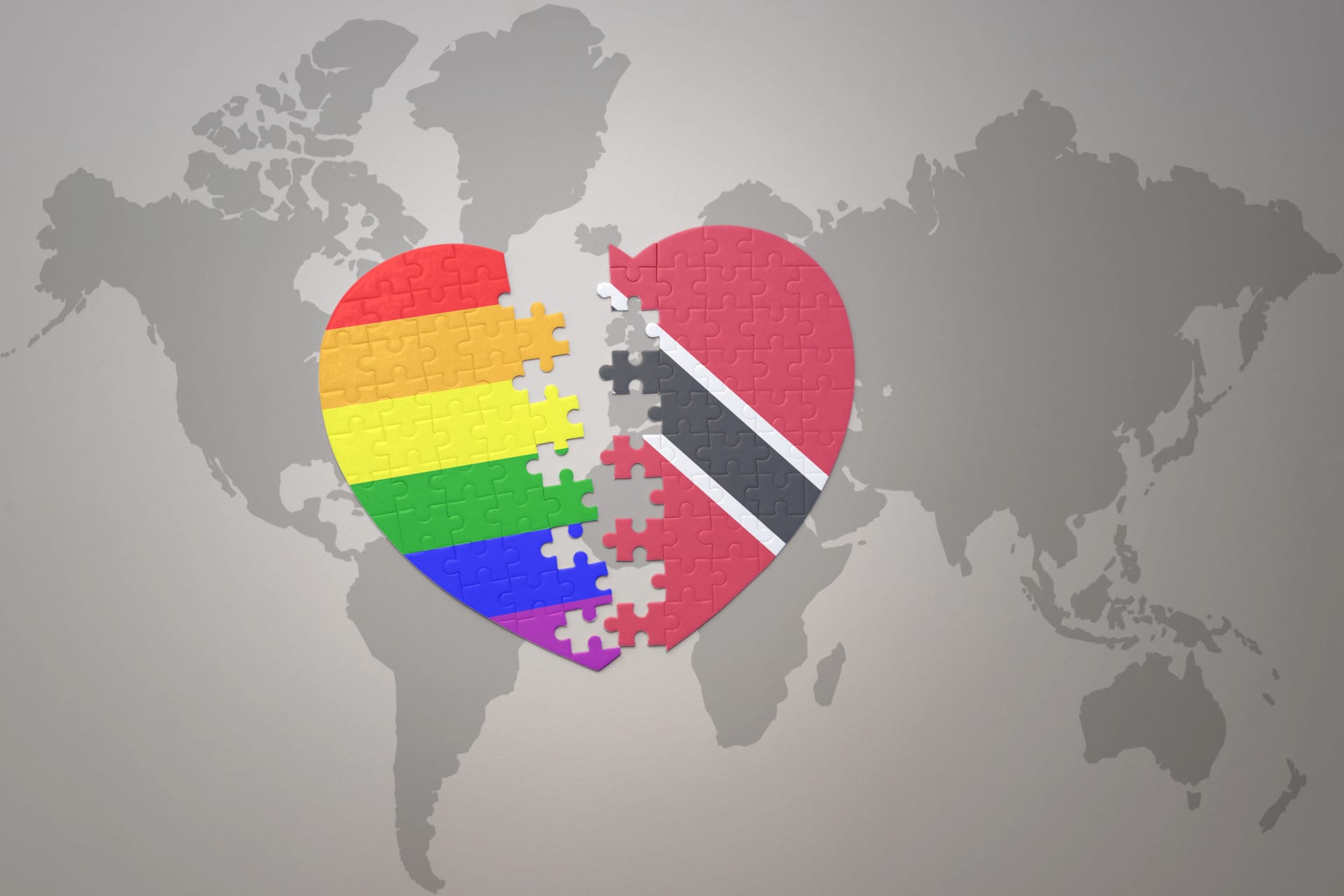
A landmark legal challenge to colonial-era laws criminalising consensual same-sex intimacy in Trinidad and Tobago will be heard by the Judicial Committee of the Privy Council (JCPC) in London on 8 July, in a case campaigners say could have far-reaching consequences for LGBTQ+ people across the Caribbean.
The appeal concerns laws dating back to the colonial period that criminalise same-sex intimacy between consenting adults. LGBTQ+ advocates warn that, given existing Privy Council jurisprudence, there is a realistic possibility the legislation could ultimately be upheld.
Campaigners say the outcome could affect not only Trinidad and Tobago but also other countries where similar laws remain in force or are being reinforced through contemporary legislation.
Five Caribbean LGBTQ+ organisations, including Colours Caribbean, have been granted permission to intervene in the case. The groups are being supported by Harvard Law School's LGBTQI+ Advocacy Clinic and a team of leading lawyers from Canada and the UK.
The appeal has also reignited debate about Britain's continuing constitutional role in former colonies and the extent to which UK institutions remain involved in cases concerning laws rooted in the colonial era.
Former Irish Taoiseach Leo Varadkar recently highlighted the issue in an article questioning whether it remains appropriate for the UK to continue providing judges and legal institutions to determine appeals involving laws that criminalise same-sex relationships.
Campaigners argue that the case raises broader questions about the UK's international reputation as a supporter of LGBTQ+ rights.
The hearing will take place in London before judges sitting as members of the Judicial Committee of the Privy Council, which remains the highest court of appeal for Trinidad and Tobago despite the country becoming a republic in 1976.
Advocates have noted that although there are currently two Caribbean members of the JCPC, neither has been selected to sit on the panel hearing the case.
For LGBTQ+ organisations, the appeal is about far more than criminal law. Human rights groups have long argued that laws criminalising same-sex intimacy contribute to stigma, discrimination and violence against LGBTQ+ people, even when prosecutions are rare.
International human rights bodies have repeatedly found that such legislation can have a profound impact on the lives of LGBTQ+ communities by legitimising prejudice and creating barriers to equality, healthcare, employment and personal safety.
Supporters of the intervention argue that the continued existence of these laws is incompatible with modern human rights standards and international legal obligations.
The case has also prompted comparisons with the UK's decision in 2022 to withdraw Supreme Court judges from Hong Kong's Court of Final Appeal. At the time, senior judges said continued participation risked appearing to endorse a legal and political environment that no longer reflected fundamental freedoms and human rights principles.
Campaigners say a similar question now arises over Britain's role in adjudicating appeals involving laws that criminalise consensual same-sex relationships.
The hearing is expected to attract significant attention from LGBTQ+ organisations, legal experts and human rights campaigners throughout the Caribbean and beyond.
Whatever the outcome, the judgment is likely to have implications far beyond Trinidad and Tobago, influencing debates about colonial-era legislation, constitutional independence and LGBTQ+ equality across the Commonwealth.
For many campaigners, the case represents a crucial test of whether courts will continue to uphold laws rooted in a colonial past or move towards a legal framework that recognises the rights and dignity of LGBTQ+ people.
As the appeal begins in London, advocates say they hope the court will deliver a judgment that advances equality and human rights, helping to create a future in which consensual same-sex relationships are no longer treated as criminal acts anywhere in the Commonwealth.
Scene was founded in Brighton in 1993, at a time when news stories about Pride protests were considered radical.
Since then, Scene has remained proudly independent, building a platform for queer voices. Every subscription helps us to report on the stories that matter to LGBTQ+ people across the UK and beyond.
Your support funds our journalists and contributes to Pride Community Foundation’s grant-making and policy work.



Member discussion