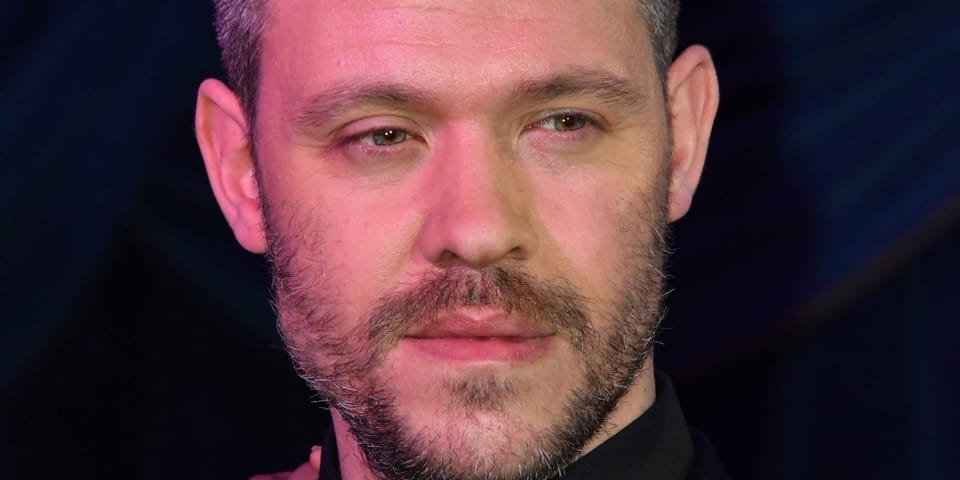
London 1
In October 1982, Jonathan Blake walked into the Middlesex Hospital and was given a number, London 1, and a diagnosis that didn't yet have a name. He was told he had between three and nine months to live. He is 76. This is his story.


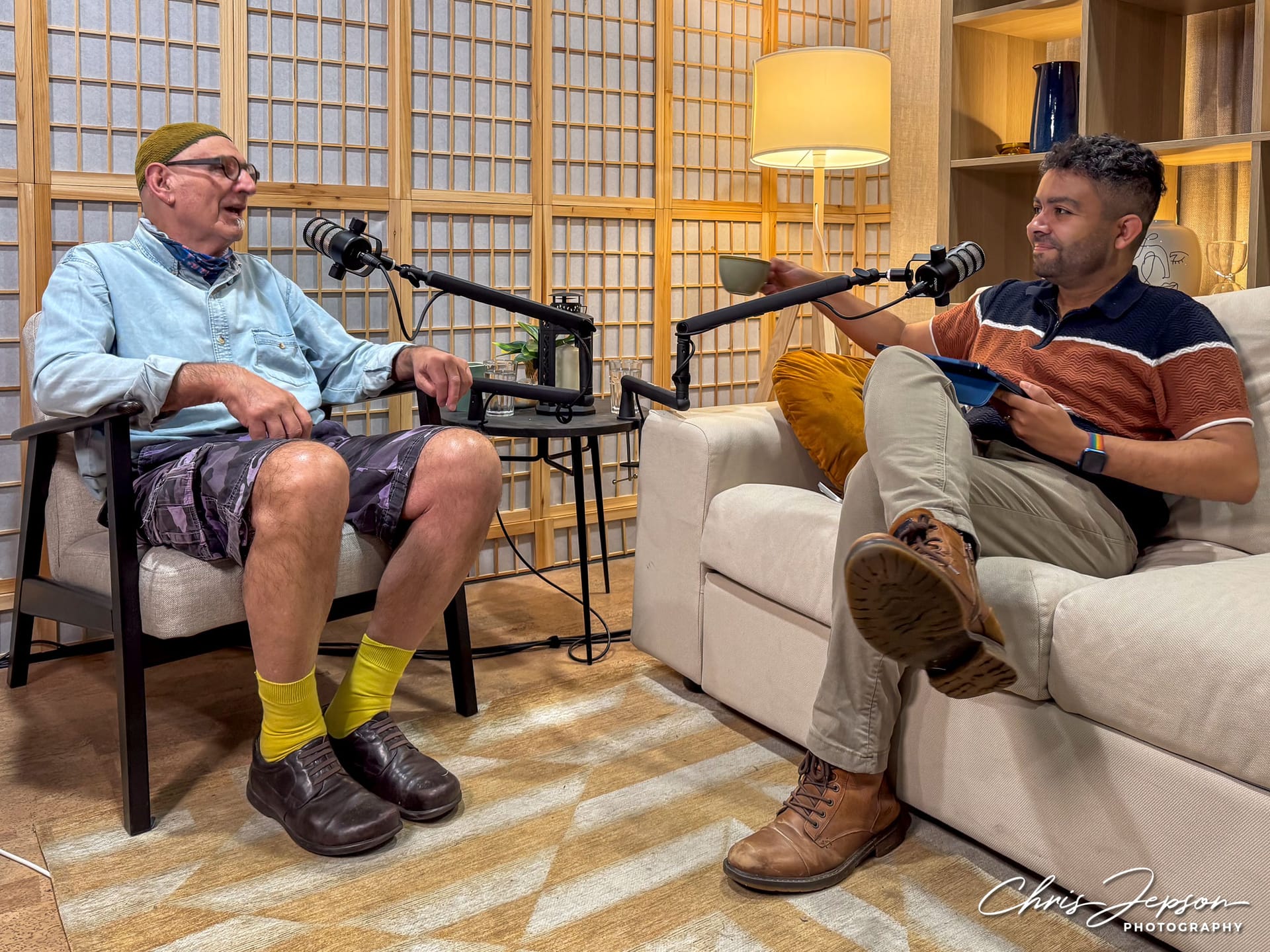
The seagulls are circling somewhere off camera when Jonathan Blake settles in for our conversation. He is warm, funny, and disarmingly precise about dates, places, names. He remembers everything. Perhaps that is what it means to have lived through something that so many others did not survive: you become the keeper of the record.
He was 33 years old when a doctor at the Middlesex Hospital in London told him he had a virus, that there was no cure, and that he had between three and nine months to live. He was given a number. London 1. The first person diagnosed with what would eventually be called HIV in the capital.
"To be honest, kind of like nothing," he says, when I ask what went through his head. "It's so huge. You're just winded. It's like that feeling of a punch in the stomach and the breath has just gone. And there is nothing."
He does not remember how he got home that day. The homing instinct, he says. He got back to his flat in Shadwell, put his key in the door, closed it, and collapsed.
"I felt like a modern-day leper. What are you going to say? Hi, my name's Jonathan Blake. I've got this killer virus coursing through my veins."
Before the diagnosis
Jonathan was a jobbing actor who supplemented his income waiting tables at Joe Allen, the New York-style restaurant in Covent Garden that had become a kind of unofficial canteen for the West End theatre world. He loved it. Colleagues would come in from their shows, the stars would drift through and want to be left alone, and everyone knew the form.
In February 1981, he flew to San Francisco for a friend's wedding. His former flatmate George Hodson had moved there a few years earlier, drawn by the extraordinary experiment in queer community that the city had become. Jonathan stayed with him, attended the wedding, visited the bathhouses. He came back. Nothing seemed wrong. It really wasn't until April of that year, he notes carefully, that anything in San Francisco started to be noticed.
The symptoms arrived quietly. His lymph nodes began to swell. He was walking, he says with characteristic directness, like a gorilla. He made an appointment with his GP in Shadwell, who greeted him with what Jonathan learned was the sailor's handshake: pressing the lymph node in the crook of the arm upon greeting. A swollen node was historically a sign of syphilis. His GP sent him to the sexual health clinic at the Middlesex Hospital, James Pringle House. They were, he says, all over him.
They put him in a side ward. He found himself next to a man who, he could tell, was not long for the world. After two days of biopsies and cultures, the doctors returned.
"You have a virus. There is no cure. You have between three and nine months to live. And there will be palliative care." He pauses. "Well, at 33, do you really want to hear about palliative care?"
Subscribe to continue reading