

Cross-party MPs commit to protecting trans people's fundamental rights at evening reception held in Parliament by Trans+ History Week


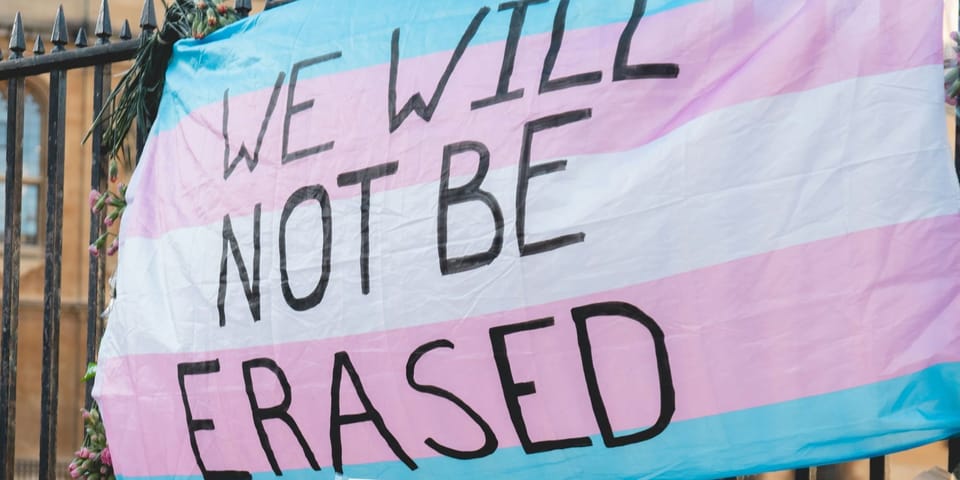
MPs from Labour, the Green Party and the Liberal Democrats have pledged to support a series of commitments aimed at protecting the rights, dignity and wellbeing of trans+ people, as campaigners warn of an unprecedented rollback of protections across the UK.
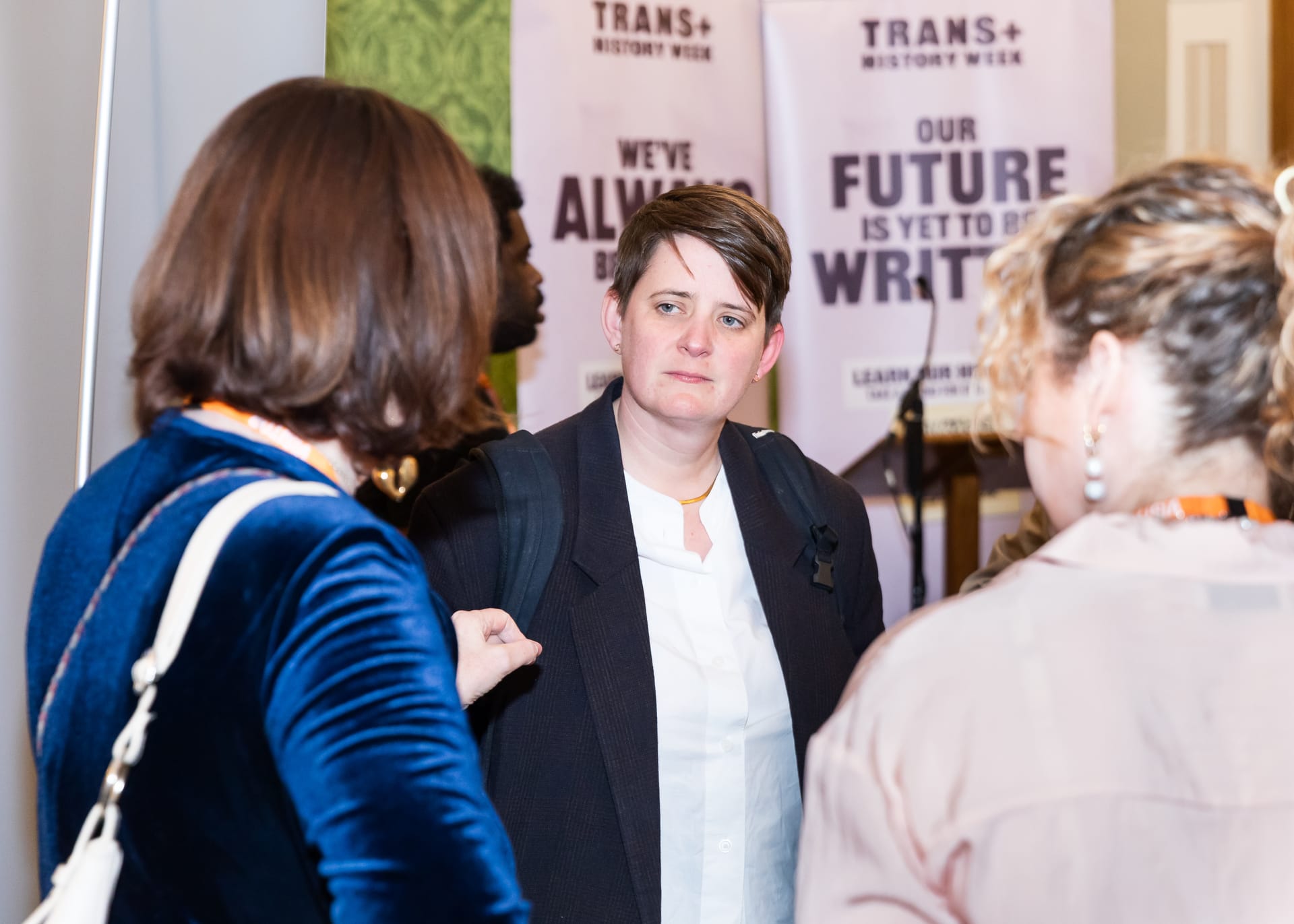
The commitments were made at a parliamentary reception hosted by Trans+ History Week, a trans-led social enterprise, during Pride Month. The event brought together MPs, civil society leaders, business representatives and newly elected trans councillors to celebrate the third year of Trans+ History Week and discuss the challenges facing the community.
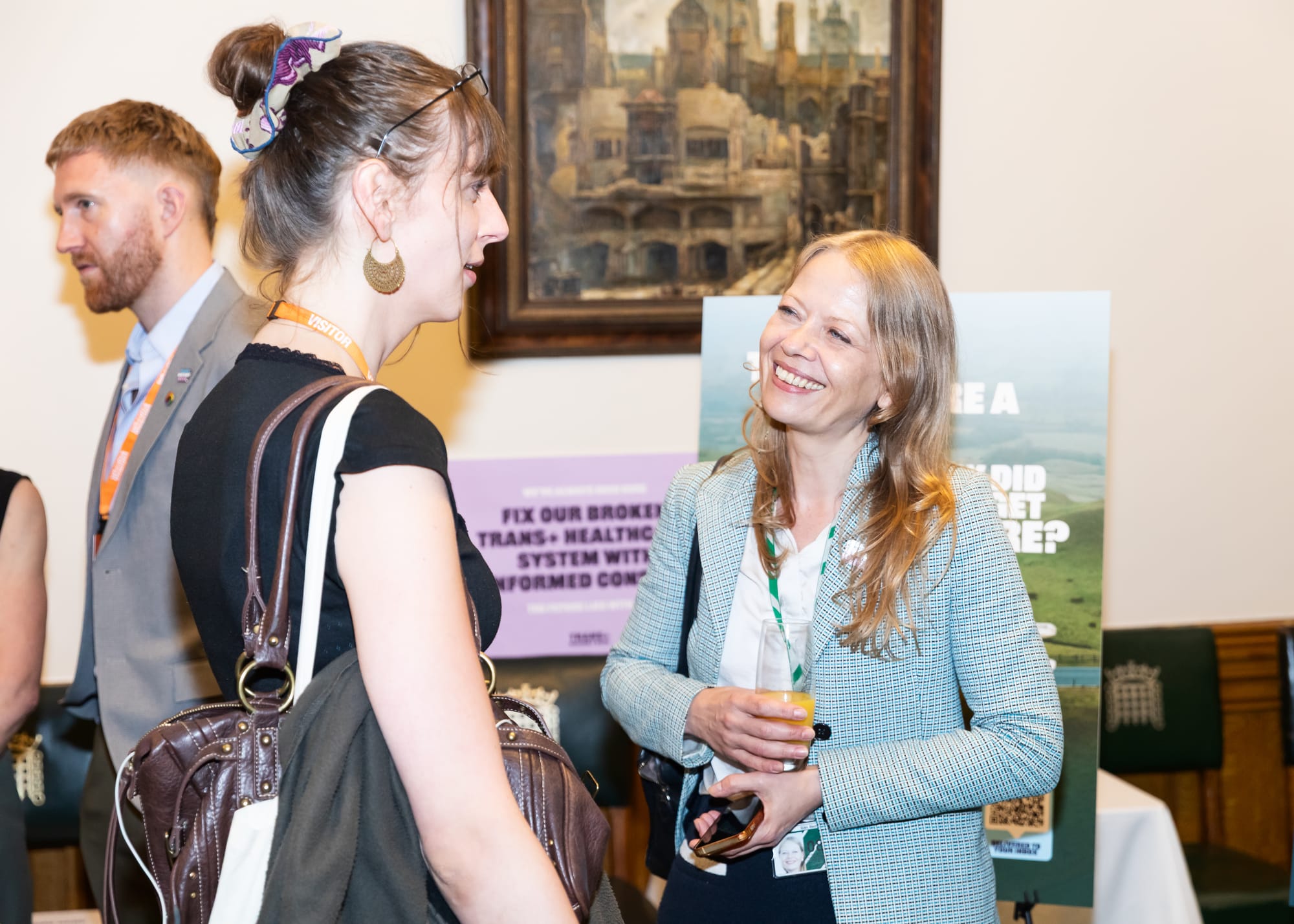
Among those attending were Labour MPs Kate Osborne, Olivia Bailey, Alex Barros-Curtis, Lorraine Beavers, Mary Kelly Foy, Nia Griffith, Kerry McCarthy, Steve Race, Martin Rhodes and Matt Turmaine, alongside Green MP Siân Berry.
The reception coincided with growing opposition to the Equality and Human Rights Commission's proposed Code of Practice following the Supreme Court's ruling on the definition of sex in the Equality Act. Critics argue the guidance could lead to the segregation of trans people from public spaces and services.
More than 120 MPs have signed an Early Day Motion tabled by Labour MP Nadia Whittome calling for the Code to be withdrawn. Both the Green Party and Liberal Democrats have also publicly criticised the proposals, describing them as unworkable and harmful.
Speaking at the reception, Labour MP Kate Osborne said she would continue campaigning for trans and non-binary people facing what she described as "an onslaught of abuse and attack on their rights".
She criticised the proposed Code of Practice, arguing it failed to protect trans people and organisations seeking to operate on an inclusive basis.
"We must take a stand against discrimination in all of its forms," Osborne told attendees. "Trans people have always existed. Across centuries and across cultures, trans and gender-diverse people have contributed to our communities, our movements, our workplaces, our arts and our politics."
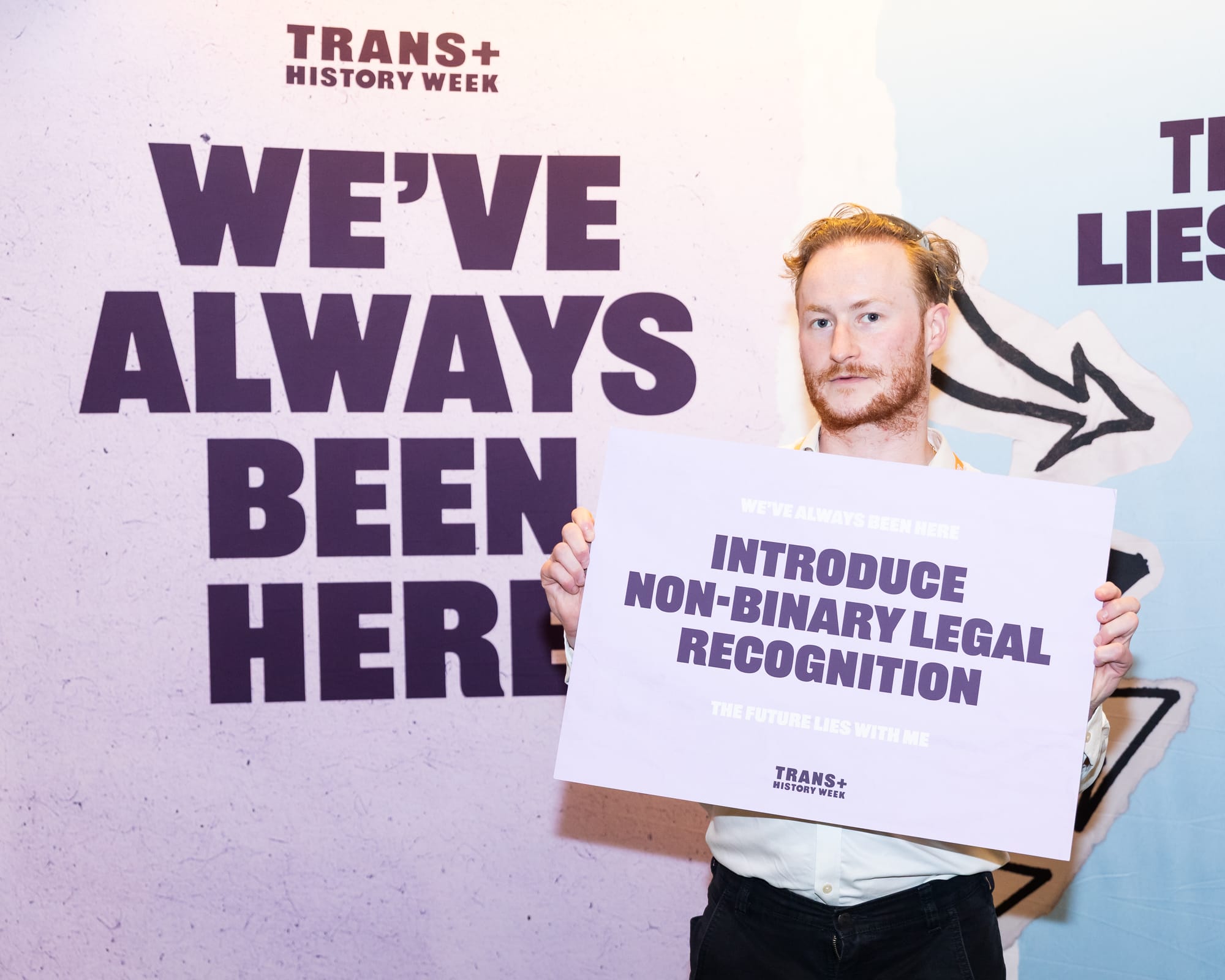
Attendees were invited to publicly support a series of policy commitments, including improving access to gender-affirming healthcare, introducing legal recognition for non-binary people, implementing a trans-inclusive ban on conversion practices, ending medically unnecessary interventions on intersex children, teaching trans history in schools, increasing support for trans organisations and opposing the segregation of trans people from public life.
Trans+ History Week founder Marty Davies framed the current moment as part of a longer history of collective resistance. "Resistance has always looked like this," Davies said. "People facing injustice, getting together, becoming friends and showing up again and again after losses and setbacks. We will win. The story is still being written."
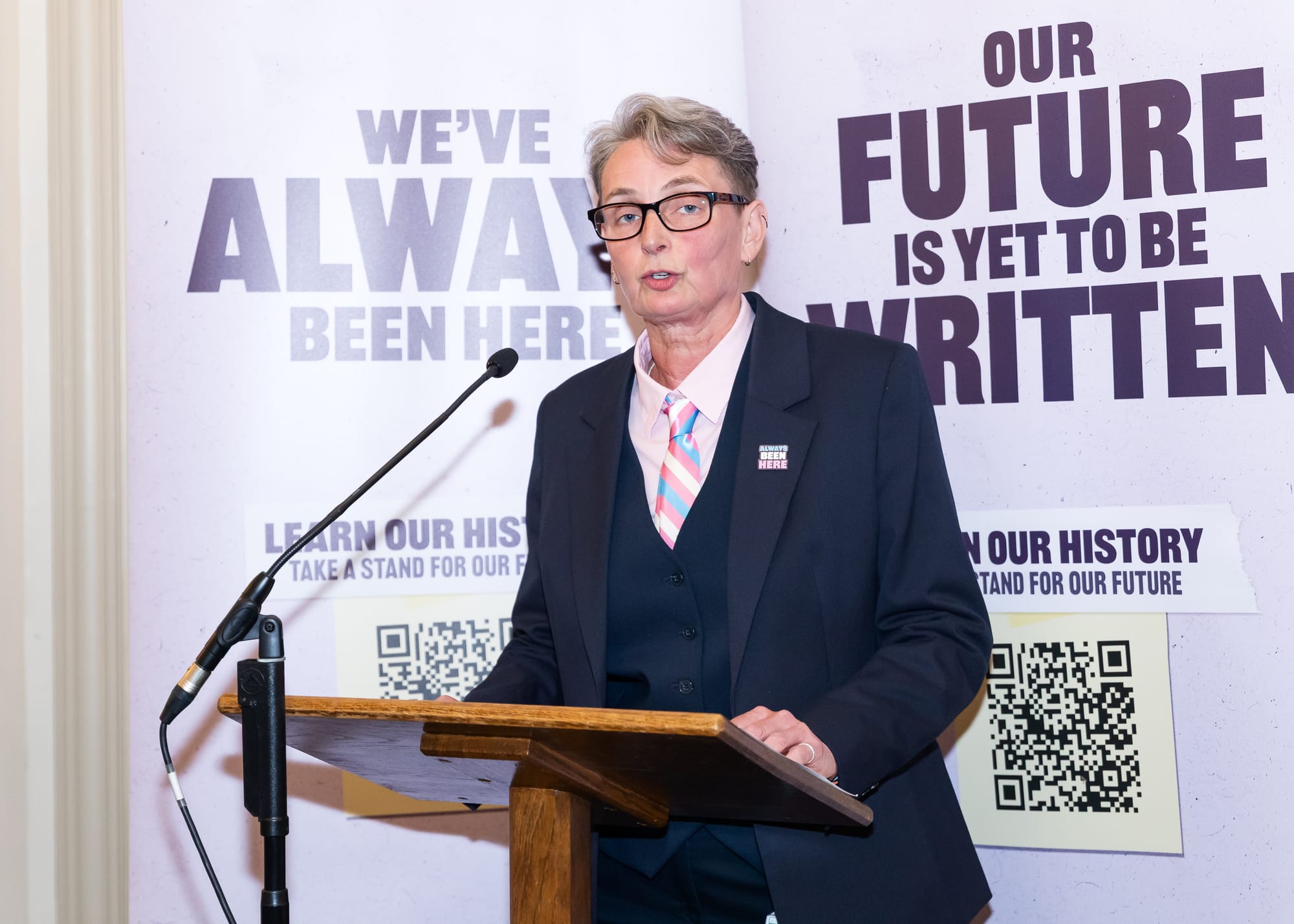
Author and broadcaster Deborah Frances-White also addressed the reception, highlighting concerns about the impact of recent debates on the daily lives of Trans people. "Our friends and neighbours are scared to use the loo," she said. "Being able to use public facilities without fear is one of the most basic human rights."
The event comes amid widening criticism of recent developments affecting trans rights from organisations across healthcare, mental health, disability rights and trade unions.
Alongside political discussion, the reception highlighted the historical contributions of trans and gender-diverse people across different eras and cultures.
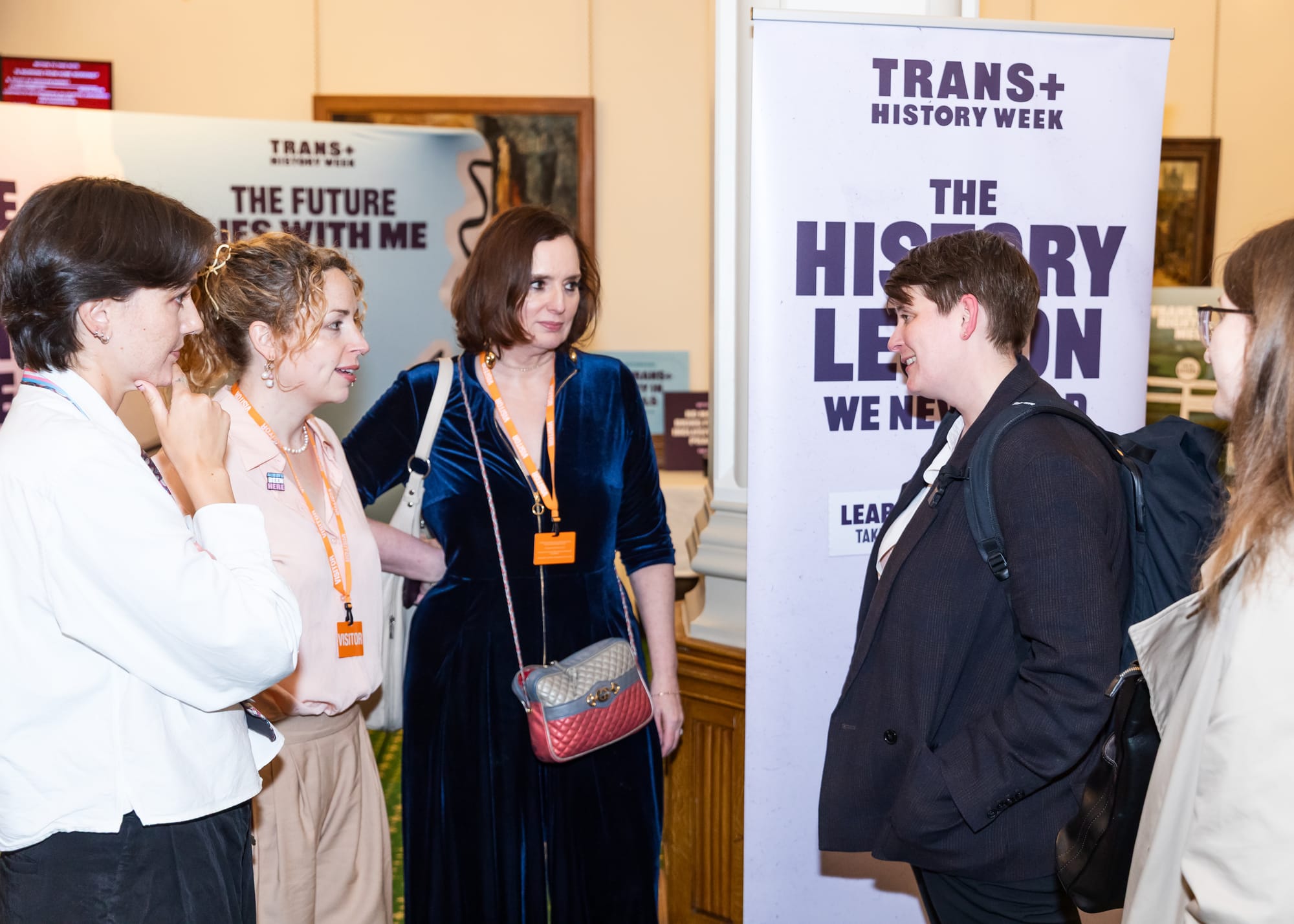
Exhibits and presentations featured stories developed through Trans+ History Week and independent publisher QueerAF, including the Gallae priestesses of Ancient Rome, pioneering trans composer Wendy Carlos, the origins of Britain's gender identity clinic system and historic protests for bodily autonomy and equality.
The event also showcased QueerAF's Milestones series, a six-part editorial project examining the legal cases, political developments and grassroots campaigns that have shaped the rights of trans, non-binary and intersex people in the UK.
New documentary episodes exploring trans history are due to be released throughout Pride season via the QueerAF podcast, beginning with a feature on activist and archivist Lou Sullivan, whose work helped shape both trans history and HIV advocacy.
Scene was founded in Brighton in 1993, at a time when news stories about Pride protests were considered radical.
Since then, Scene has remained proudly independent, building a platform for queer voices. Every subscription helps us to report on the stories that matter to LGBTQ+ people across the UK and beyond.
Your support funds our journalists and contributes to Pride Community Foundation’s grant-making and policy work.


Member discussion