



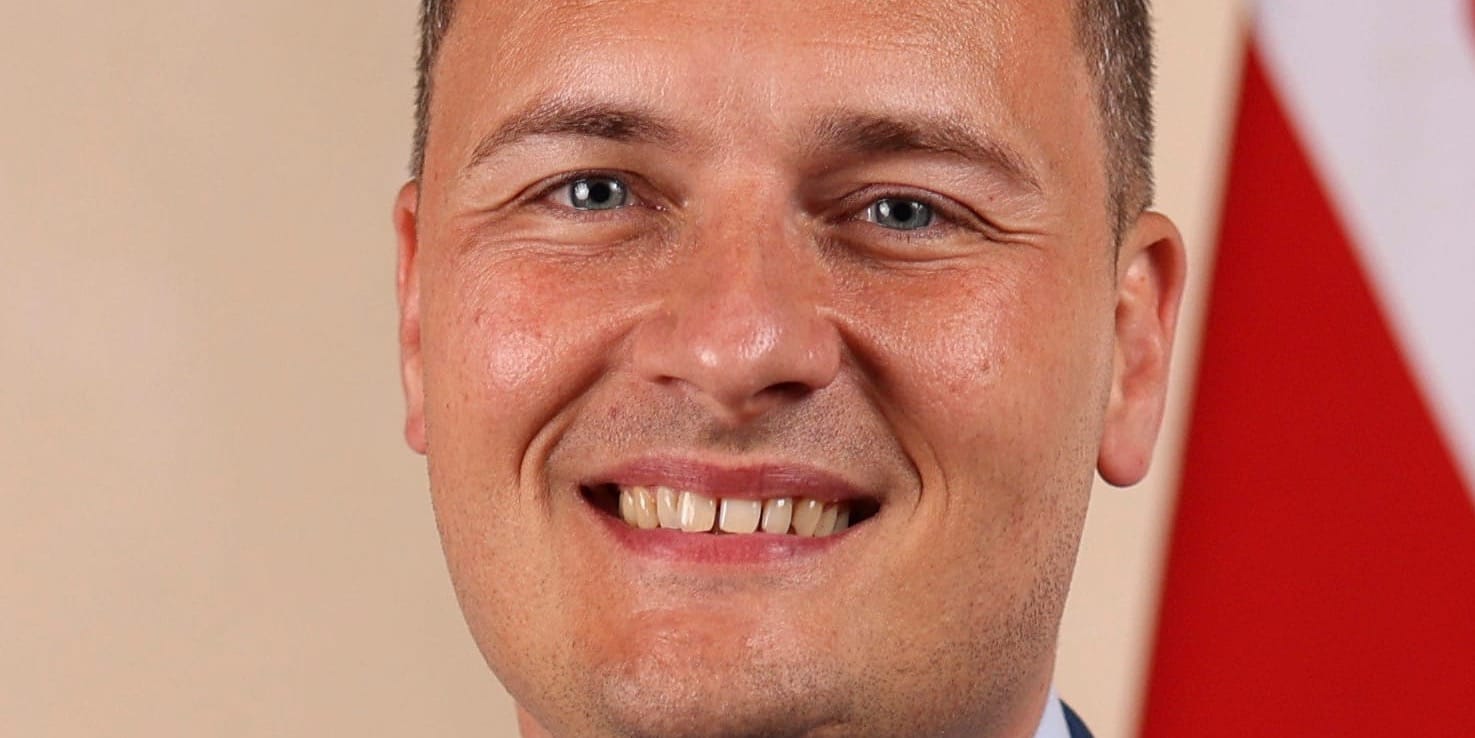
Former health secretary Wes Streeting has warned that progress on LGBTQ+ rights in the UK risks being reversed, as he defended controversial government decisions restricting access to puberty blockers for young trans people.
Speaking to LBC, the Labour MP said rising hostility and prejudice had left him concerned that hard-won gains could be undone.
“I thought, we’ve done it, we’ve won,” he said, referring to milestones such as equal marriage. “And now… with rising hatred and prejudice of a range of forms, I do fear the clock being turned back.”
Streeting, who is gay, said his fears were shaped by his own experiences growing up during a period when discrimination against gay people was legal in parts of public life.
However, his intervention comes as he continues to face criticism from trans campaigners and LGBTQ+ groups over policies introduced during his time as health secretary, particularly the indefinite restriction on puberty blockers for under-18s.
The UK government has effectively banned the routine use of puberty blockers for young people with gender dysphoria, following the controversial Cass Review.
Streeting defended the decision, saying: “I did the right thing based on medical advice and evidence, and I stand by those decisions.”
But he acknowledged the deeply negative impact the move had on many within the community, particularly trans young people and their families.
“I knew how it would make people feel, and that was hard,” he said, adding that he had personally “wrestled” with the decision.
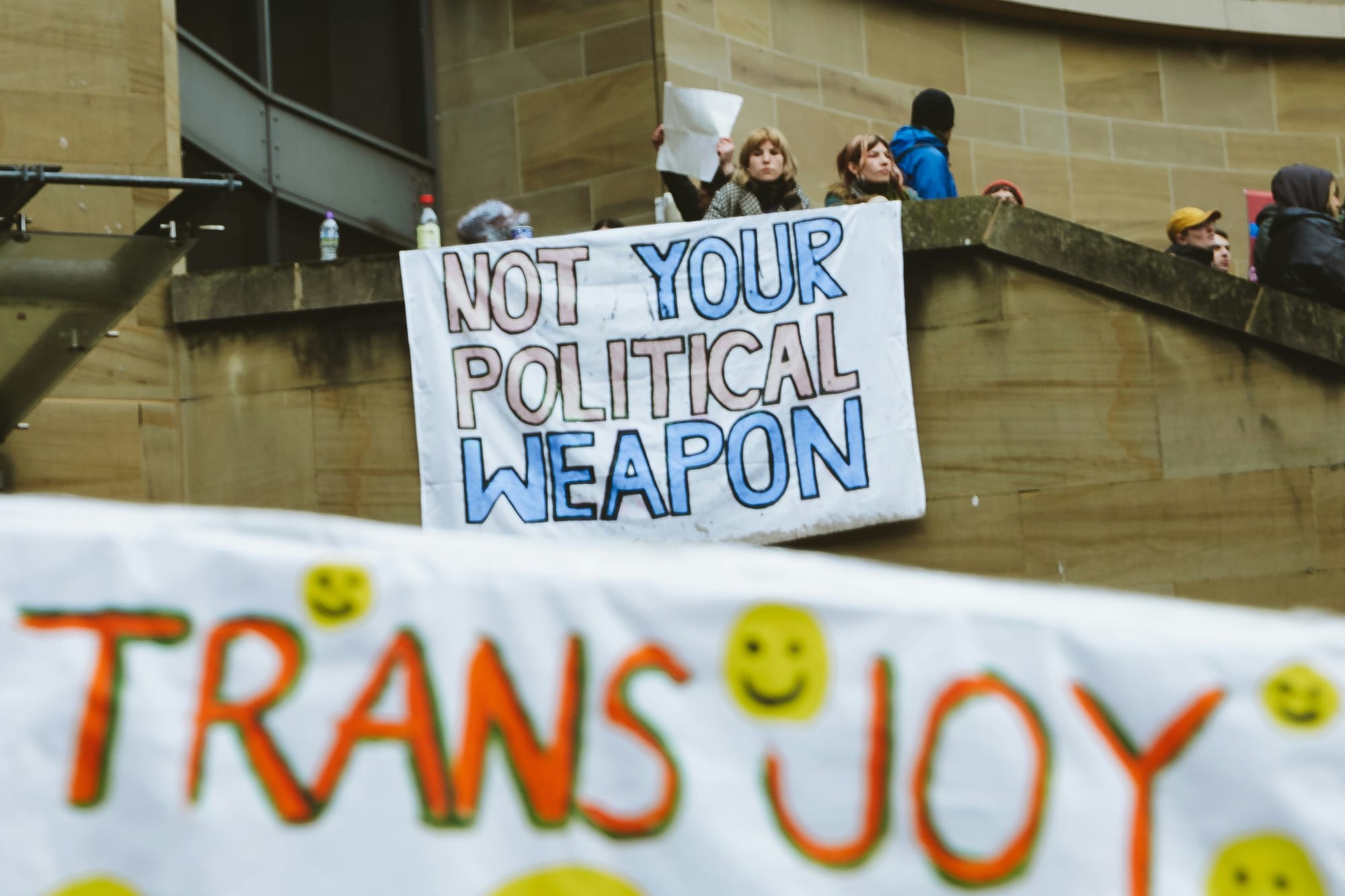
Campaigners and LGBTQ+ organisations have argued the policy represents a major setback for trans healthcare, warning it could leave vulnerable young people without access to gender‑affirming support.
The decision to extend the ban, first introduced under the previous Conservative government, was widely criticised at the time by trans activists, healthcare professionals and equality groups.
Some organisations have said restricting access to treatment risks worsening mental health outcomes for trans youth, who already face significantly higher rates of distress. Others have described the policy as effectively creating a “de facto ban” on puberty blockers, given the lack of accessible alternatives through the NHS.
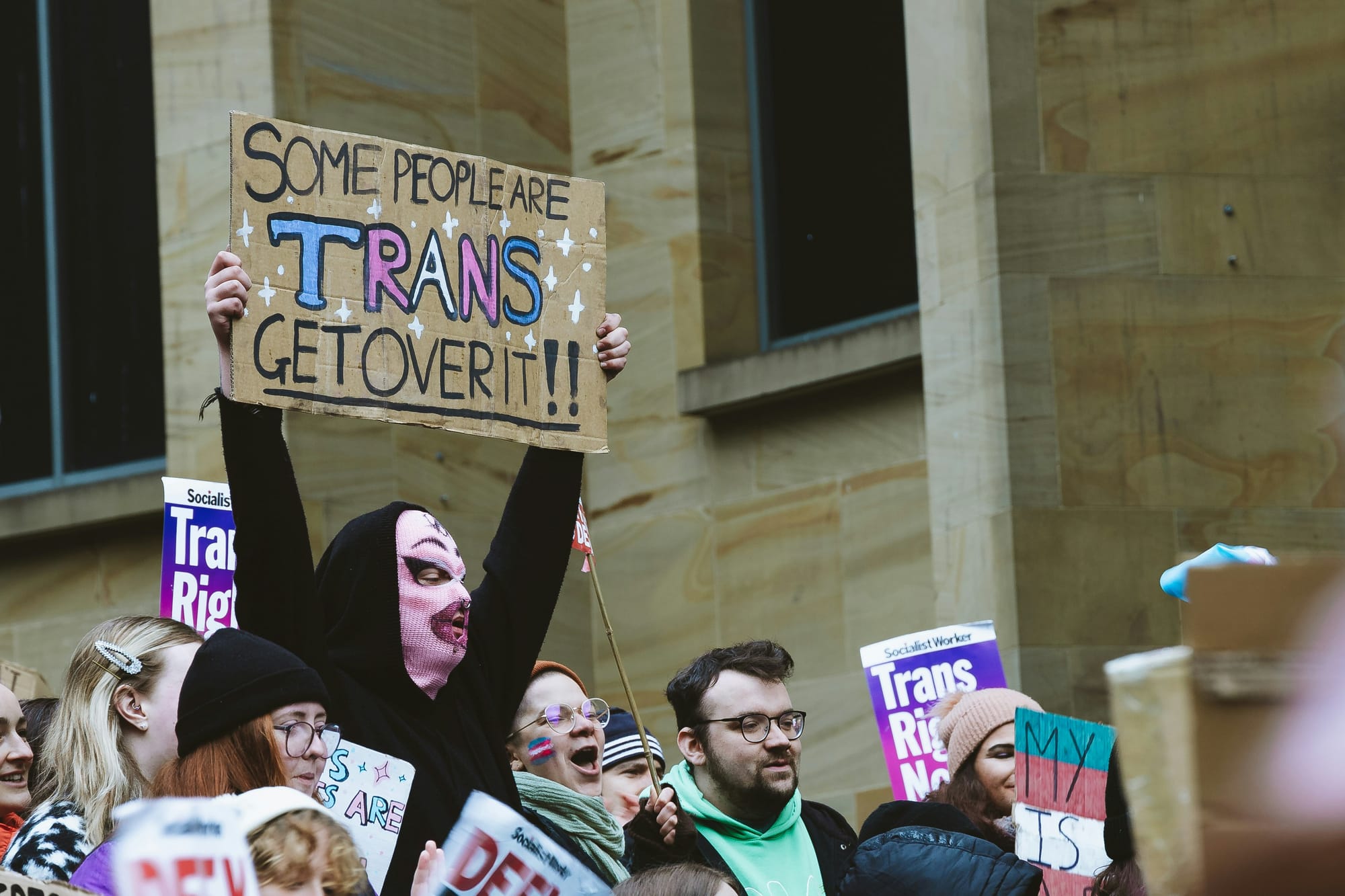
Streeting has also faced direct criticism from within the LGBTQ+ community, with activists accusing him of upholding policies they say contribute to a wider climate of exclusion and hostility.
Despite this, he argued the UK remains broadly inclusive, even amid the debate around trans rights. He acknowledged that many trans people feel less supported, saying he did not doubt those experiences, but suggested policymakers were trying to find a compromise in a highly contested area.
“One of the things I’ve tried to do is… find a way through that maybe not everyone loves, but everyone can live with,” he said.
The latest ILGA-Europe Rainbow Map data shows just how sharply the UK’s position on LGBTQ+ rights has deteriorated over the past decade, with the country now sitting in 22nd place out of 49 - a dramatic fall from its position as the top-ranked country in Europe as recently as 2015.
Scene was founded in Brighton in 1993, at a time when news stories about Pride protests were considered radical.
Since then, Scene has remained proudly independent, building a platform for queer voices. Every subscription helps us to report on the stories that matter to LGBTQ+ people across the UK and beyond.
Your support funds our journalists and contributes to Pride Community Foundation’s grant-making and policy work.


Member discussion