

REVIEW: The Mysterious Gaze of the Flamingo (2025)
Director Diego Céspedes's The Mysterious Gaze of the Flamingo is one of the most tender yet defiant queer films in years, and it arrives on UK screens with quite a lot of awards buzz.


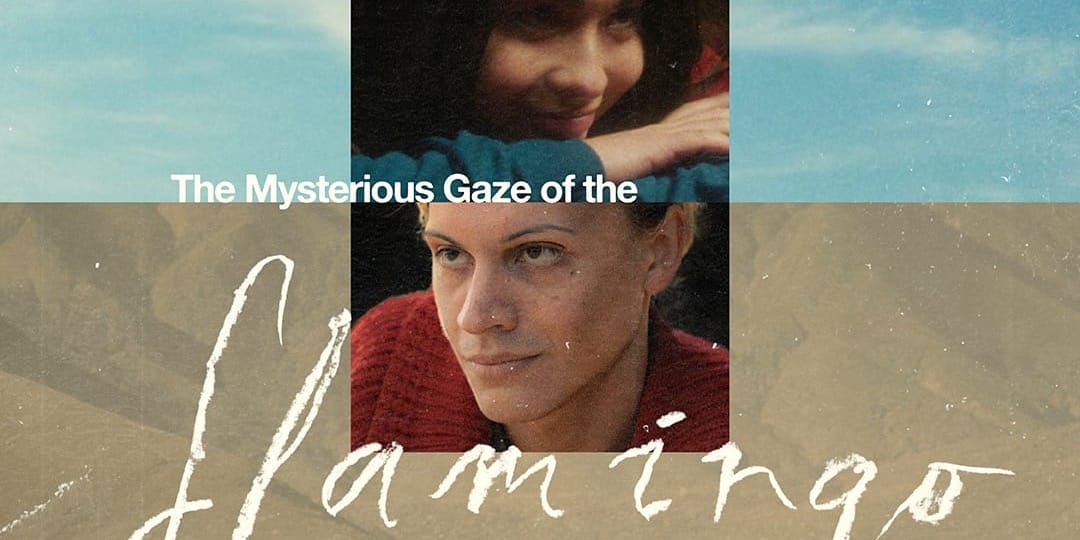
Hello cinema lovers. Director Diego Céspedes's The Mysterious Gaze of the Flamingo is one of the most tender yet defiant queer films in years, and it arrives on UK screens with quite a lot of awards buzz. It was both nominated and awarded at the 2025 Cannes Film Festival. It stands alongside trans cinema classics like Tangerine as a strong debut feature by a talented director with a bright future.
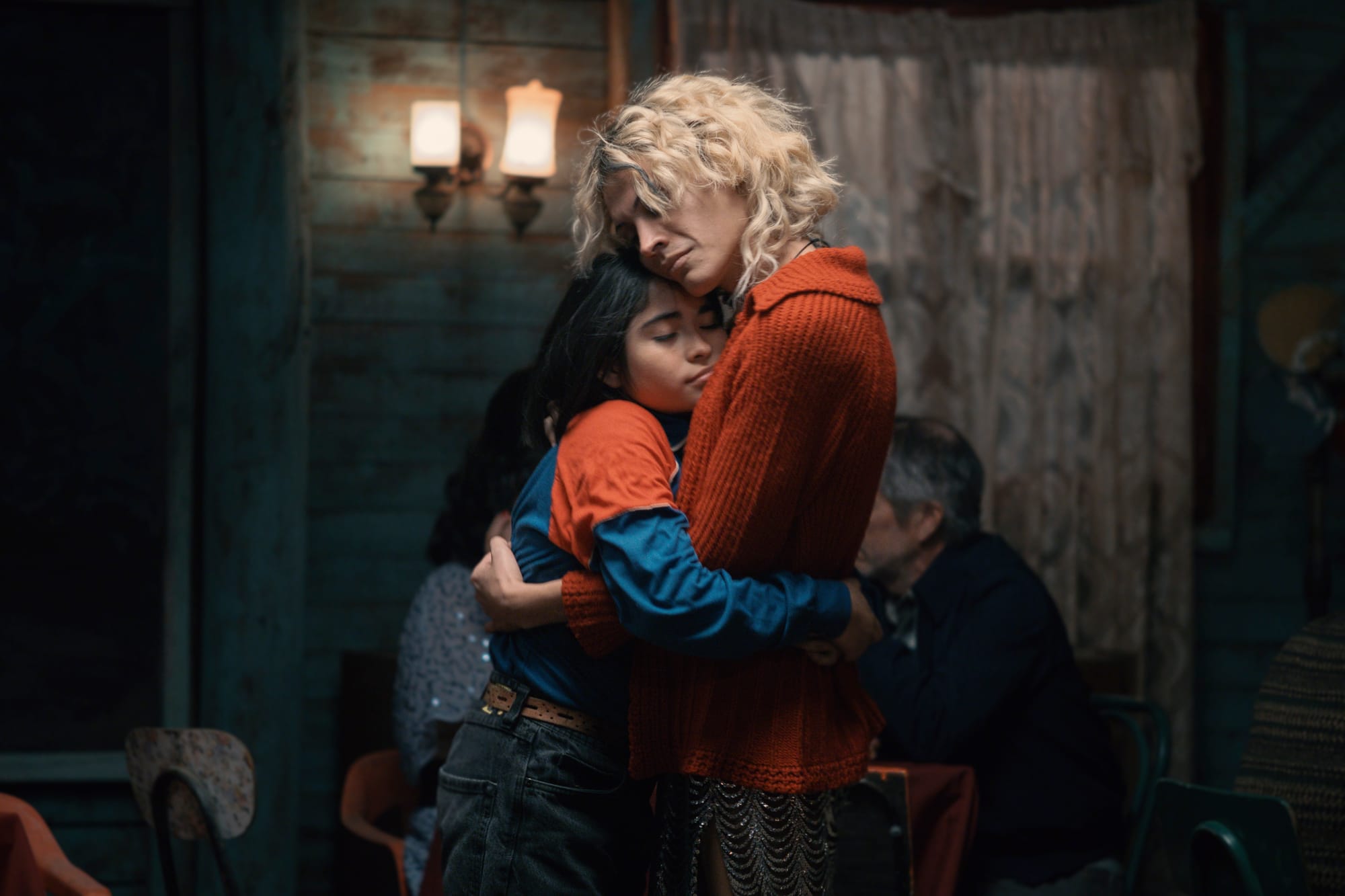
Set in the northern Chilean desert in 1982, the film follows Lidia (Tamara Cortés), a 12-year-old girl living with her found family: a close-knit community of trans women who run a cantina at the edge of a mining town. An unnamed illness has begun to spread, one that the townspeople call the Plague. The locals are convinced it passes through the gaze of those who fall in love with the cantina residents. To combat this, the townsmen hide their faces when the women are around. These women face not only sickness but organised hatred. The Plague is clearly a vehicle for the AIDS crisis. Céspedes shows this plight with respectful care, mixing a dusty magic with real-life tragedy.
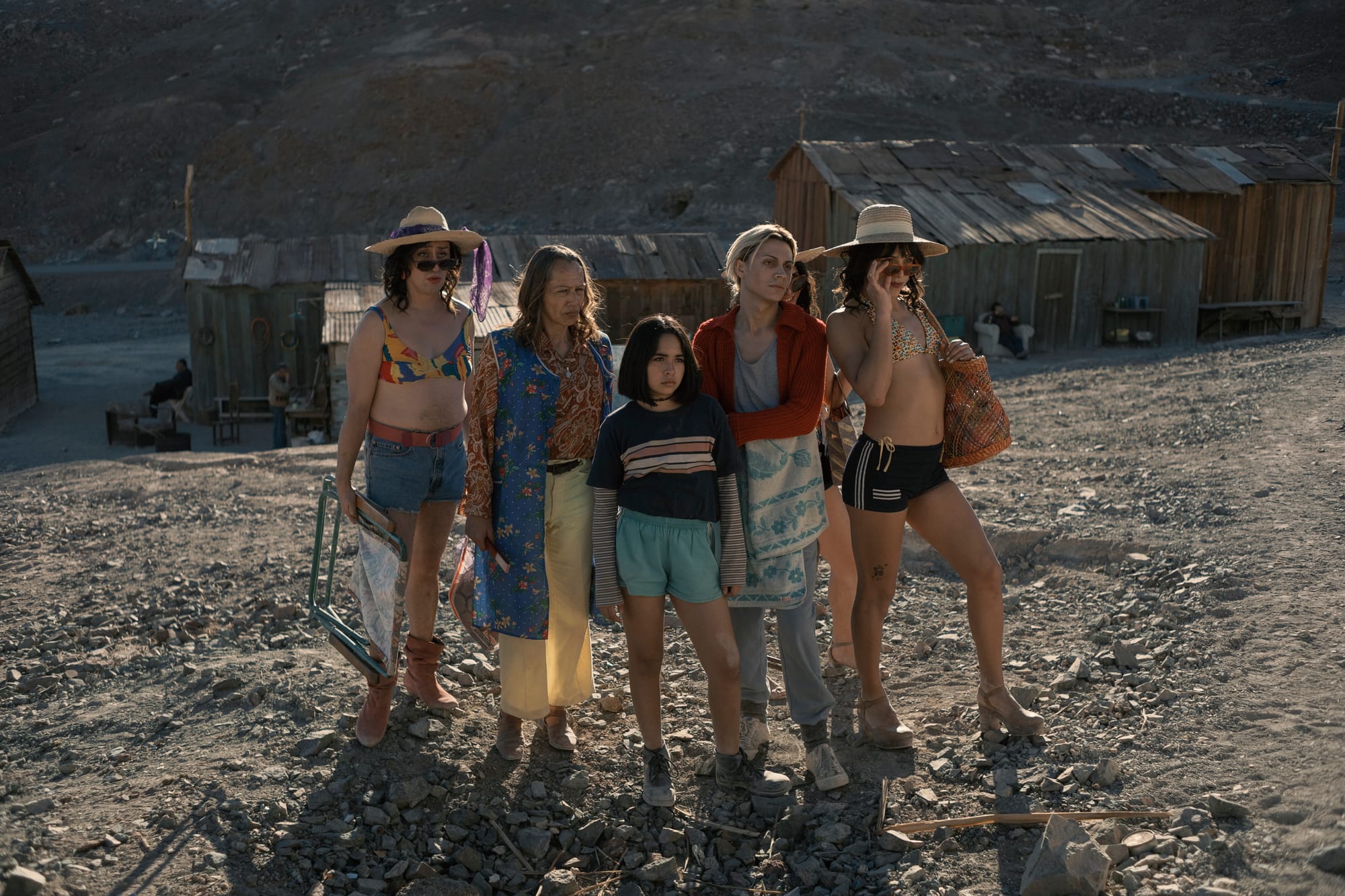
Cortés, in her screen debut, plays Lidia with a grounded air that anchors the film's more flighty scenes. She never overplays her grief or her situation. This is a remarkable achievement in a film that asks this young actor to carry a huge emotional weight. Flamingo (Matías Catalán), the beautiful woman at the centre of the movie's story arc, is portrayed with warmth and ferocity. Boa (Paula Dinamarca) is the mother of the cantina community. She bristles with authority, but she's also warm and incredibly sincere.

The movie's direction is assured and confident. The cinematography is stunning, with intense light, desert colours, and faded furniture. There is a particular scene early on during a cabaret performance that descends into violence. that kind of tension that is hard to achieve. think Latin American vibes crossed with Pose. The music feels like a spaghetti-western soundtrack at times.
The very best movies refuse to sanitise their politics, and that comes across in this queer drama. The trans women here are vulnerable and funny but also scared and fierce, sometimes all in the same scene. Their community is shown with the kind of strength and resolve that so many films about LGBTQ+ groups miss out. Céspedes is clearly writing from a close understanding of these people's lives. However, his direction never turns these characters into victims.
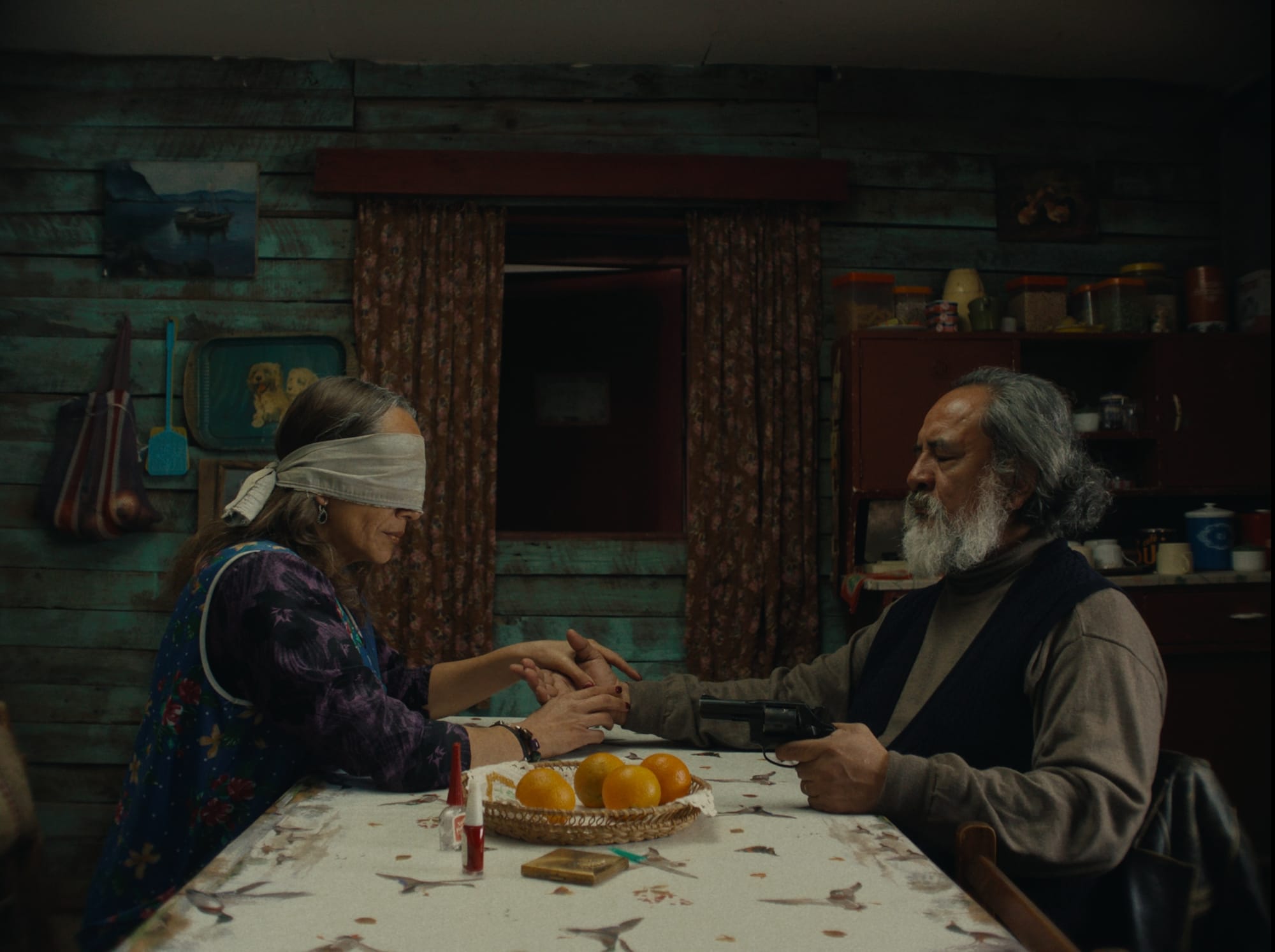
The film handles desire really well. Flamingos' love affair with Yovani is shown as passionate but tragic. Yovani is a man so terrified of his own sexuality that he becomes violent. The film does not excuse this; it simply shows it. Scenes where Flamingo and Yovani first meet are infused with a magical energy. The electricity between the two characters is literally shown on screen.
However, there are pacing issues in the final third act as the movie rushes to its conclusion, which leaves some resolutions vague. There is definitely a question mark about whether Lidia's story arc is real or imagined; it practically veers into Kill Bill territory. These are the film's most interesting scenes, but also its oddest. Depending on your tastes, you may go for it or not.
At a moment when trans lives are used to score political points across the world, this movie is timely and important. The lived experience of trans women as mothers, lovers, fighters, and sisters is shown here. All told with a great tenderness that earns this film its reputation in today's queer cinema. If you loved the movies of Pedro Almodóvar, you will appreciate this movie. Well worth watching.
The Mysterious Gaze of the Flamingo is available on MUBI.
Scene was founded in Brighton in 1993, at a time when news stories about Pride protests were considered radical.
Since then, Scene has remained proudly independent, building a platform for queer voices. Every subscription helps us to report on the stories that matter to LGBTQ+ people across the UK and beyond.
Your support funds our journalists and contributes to Pride Community Foundation’s grant-making and policy work.




Member discussion