



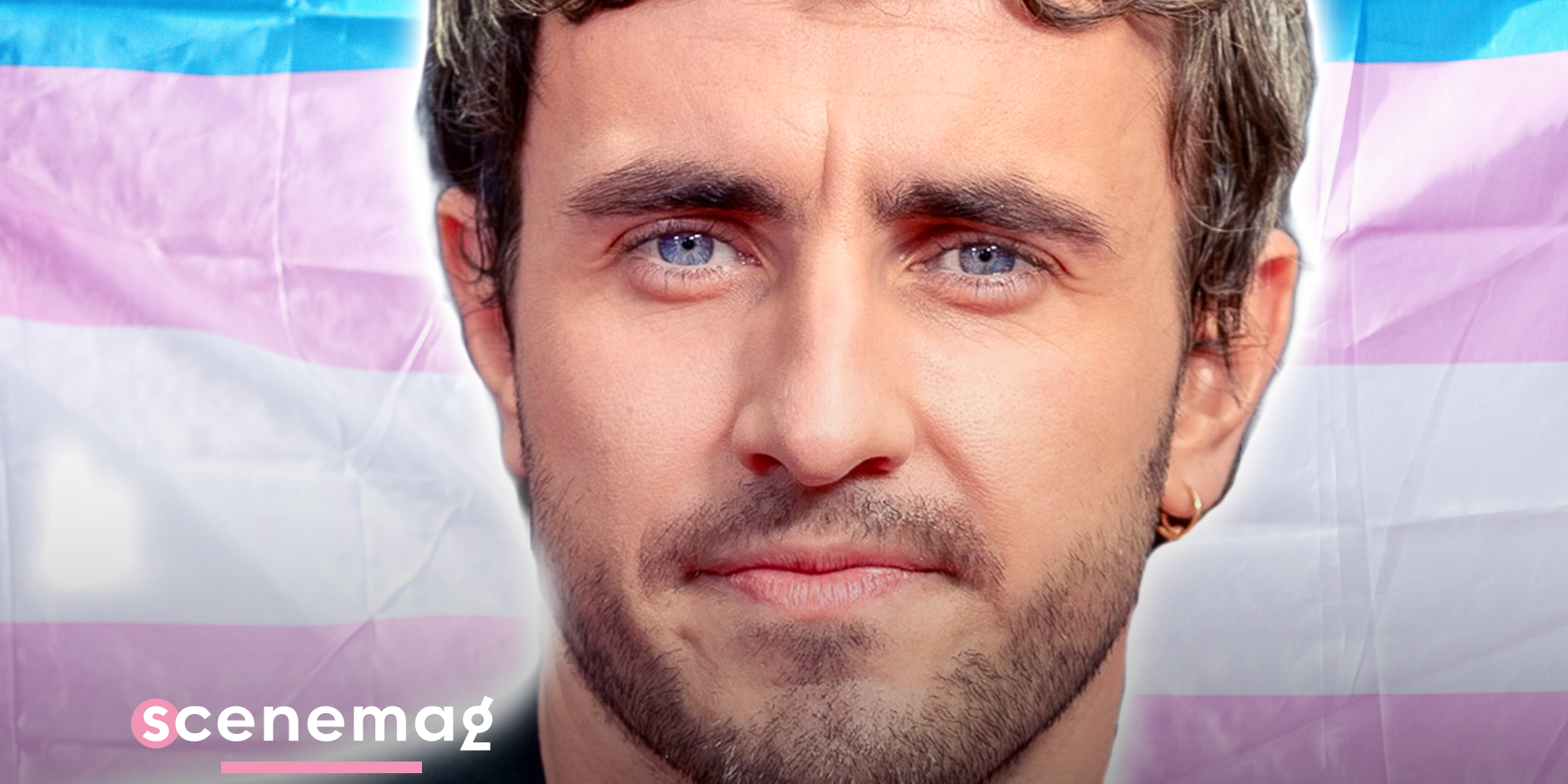
Actor Paul Mescal has issued his first public statement on trans rights as London Trans+ Pride prepares to return to the capital this summer, with organisers warning that this year’s march comes at a critical moment.
London Trans+ Pride will take place on Saturday, 25 July 2026, marking its eighth year. The 2026 theme, “Our Future, Our Fight”, reflects what organisers say is a growing sense of urgency for the trans+ community to defend its rights.
Mescal, speaking out publicly on the issue for the first time, said: “I’m incredibly proud to stand in support of my trans friends and the wider trans community.” He added: “Given the political climate at the moment it feels more and more pressing that we make our voices heard. This is a moment for respect, safety and recognition. Trans rights are human rights.”
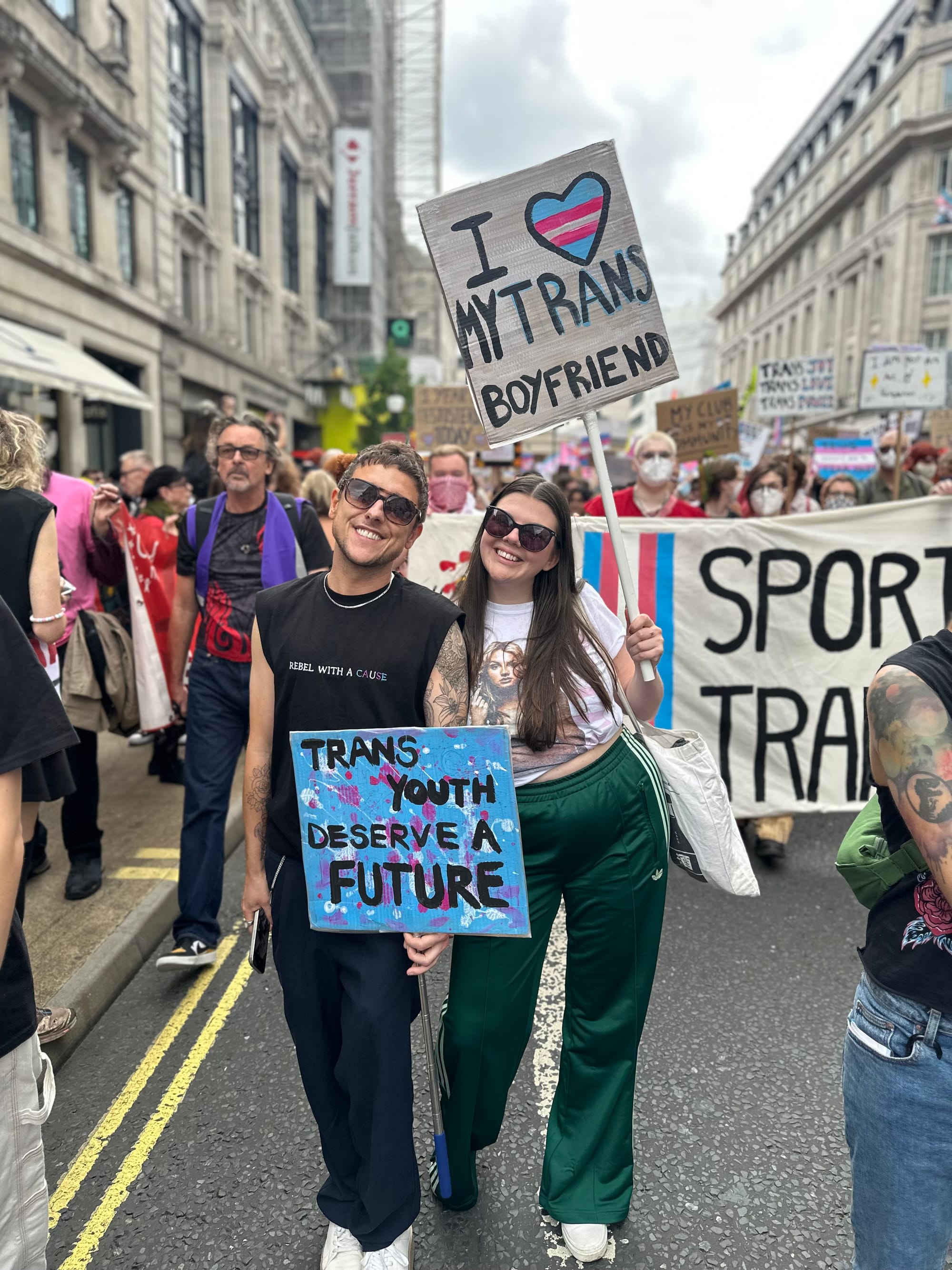
Mescal joins a wide-ranging group of high-profile figures backing this year’s march, including Mel B, Michaela Coel, Jameela Jamil, Jessie Ware, Munroe Bergdorf and Jeremy Corbyn.
Mel B described the event as a vital moment to stand visibly with the community. “London Trans+ Pride is a moment to show up loud and proud - because every single person deserves to live freely and be exactly who they are,” she said.
Mayor of Hackney Zoë Garbett added that the march comes at a time of heightened concern. “When trans people are facing so much hostility and uncertainty, it matters more than ever that communities come together to affirm that trans people are entitled to safety, dignity and freedom,” she said.
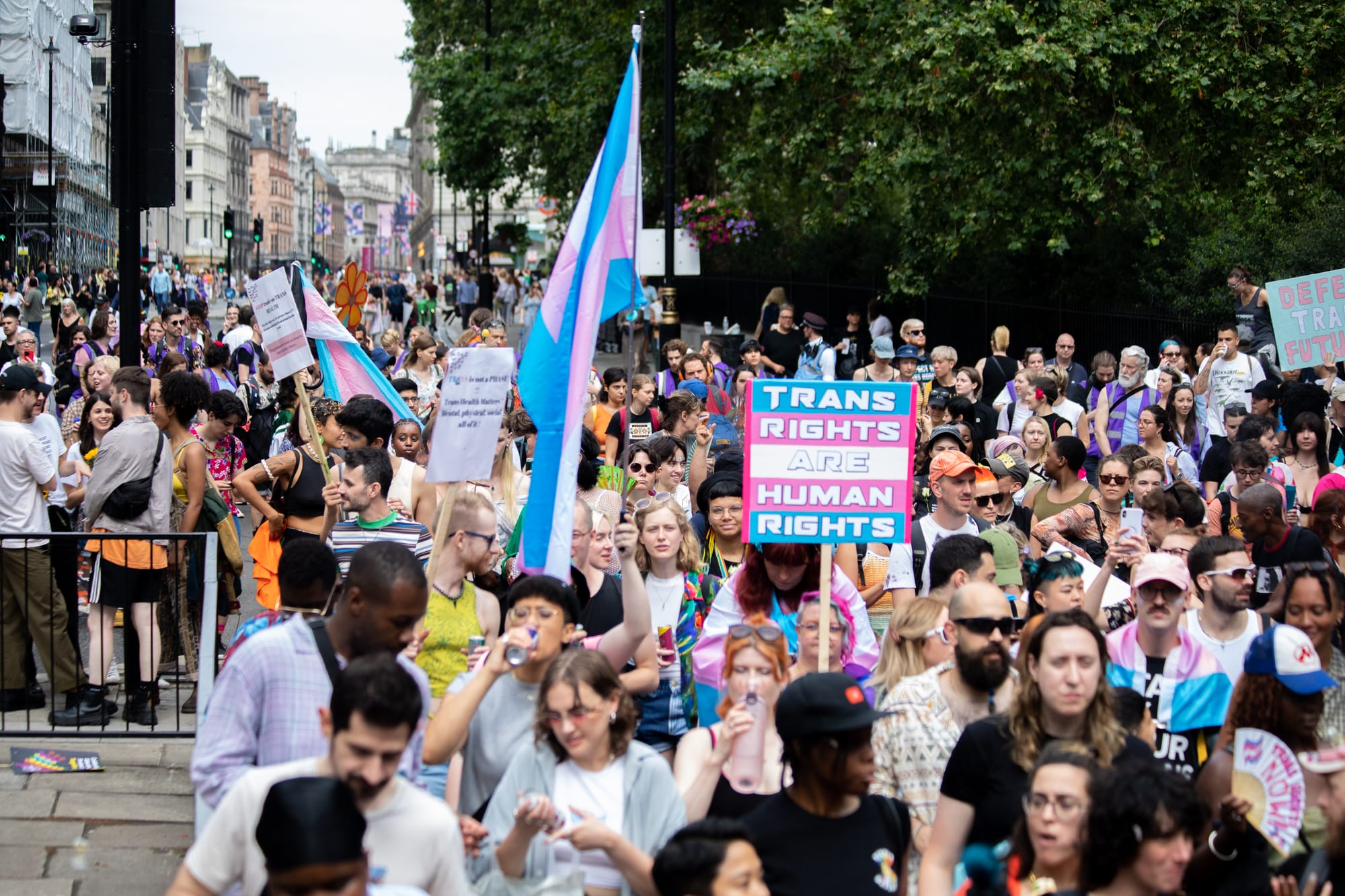
Meanwhile, actor and writer Michaela Coel offered a succinct message of solidarity: “I’m riding for you.”
Last year’s event drew more than 100,000 people, making it the largest trans pride event in history. Organisers believe turnout could rival - or exceed - that figure in 2026.
The march has rapidly become a focal point in the UK’s Pride calendar, combining protest with visibility and celebration, while centring trans-led voices.
This year’s event is being held against what organisers describe as a stark political backdrop.
They point to recent changes including a Supreme Court ruling on the definition of “biological sex”, alongside guidance from the Equality and Human Rights Commission which critics argue could lead to the exclusion of trans women from single-sex services.
Campaigners have also raised concerns about restrictions affecting trans young people and changes to school inclusion guidance.
The UK has fallen to 22nd place on ILGA-Europe’s Rainbow Map, having previously ranked first in 2015 - a shift organisers say highlights the need for continued mobilisation.
Founding member Lewis G. Burton said the march remains focused on the lived reality of trans people, rather than political rhetoric.
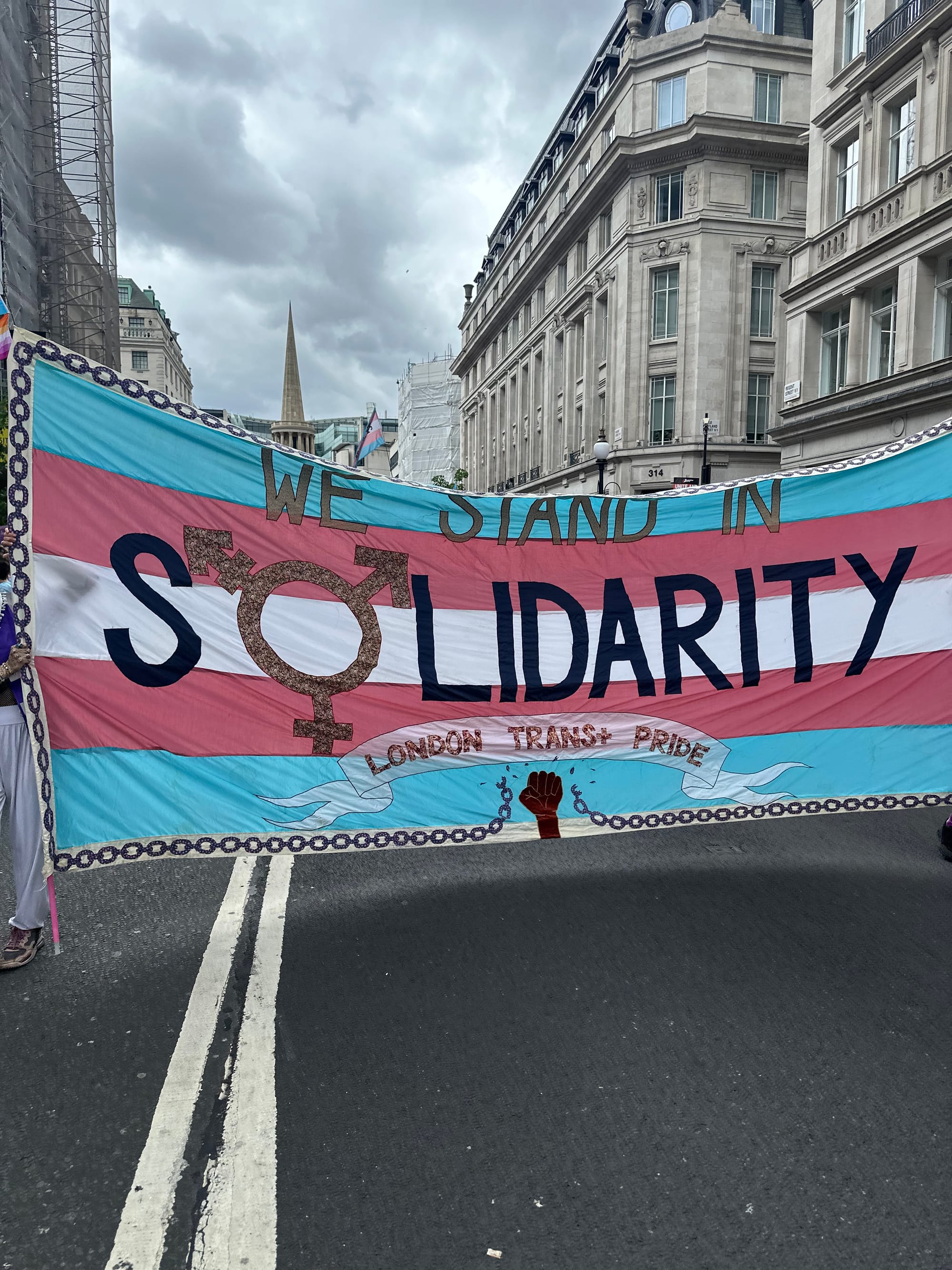
“We are not headlines or culture war talking points,” they said. “We are teachers, carers, artists, parents, neighbours and friends who simply want to live safely and peacefully in our communities.”
Organisers are urging allies to join the march in greater numbers this year, echoing calls for more active support.
Dani St James of the charity Not A Phase said: “Shelve passive allyship and step into active advocacy. Show up on the streets - and take that same energy into your workplace, your communities and your daily life.”
For organisers, “Our Future, Our Fight” is both a response to current challenges and an expression of long-term resilience.
Event manager Stephanie Lynnette said: “They’ve thrown everything they’ve got at us and here we still stand, arm in arm, marching together and thriving.”
Organiser EM Williams added: “Why do we keep fighting? Because there is hope… a belief in empathy and the desire for everyone to be treated with dignity, equality and respect.”
Scene was founded in Brighton in 1993, at a time when news stories about Pride protests were considered radical.
Since then, Scene has remained proudly independent, building a platform for queer voices. Every subscription helps us to report on the stories that matter to LGBTQ+ people across the UK and beyond.
Your support funds our journalists and contributes to Pride Community Foundation’s grant-making and policy work.

Member discussion