

“If you’re going to fund the arts, that includes us.” Two LGBTQ+ arts organisations, including a gay men's chorus, denied state funding


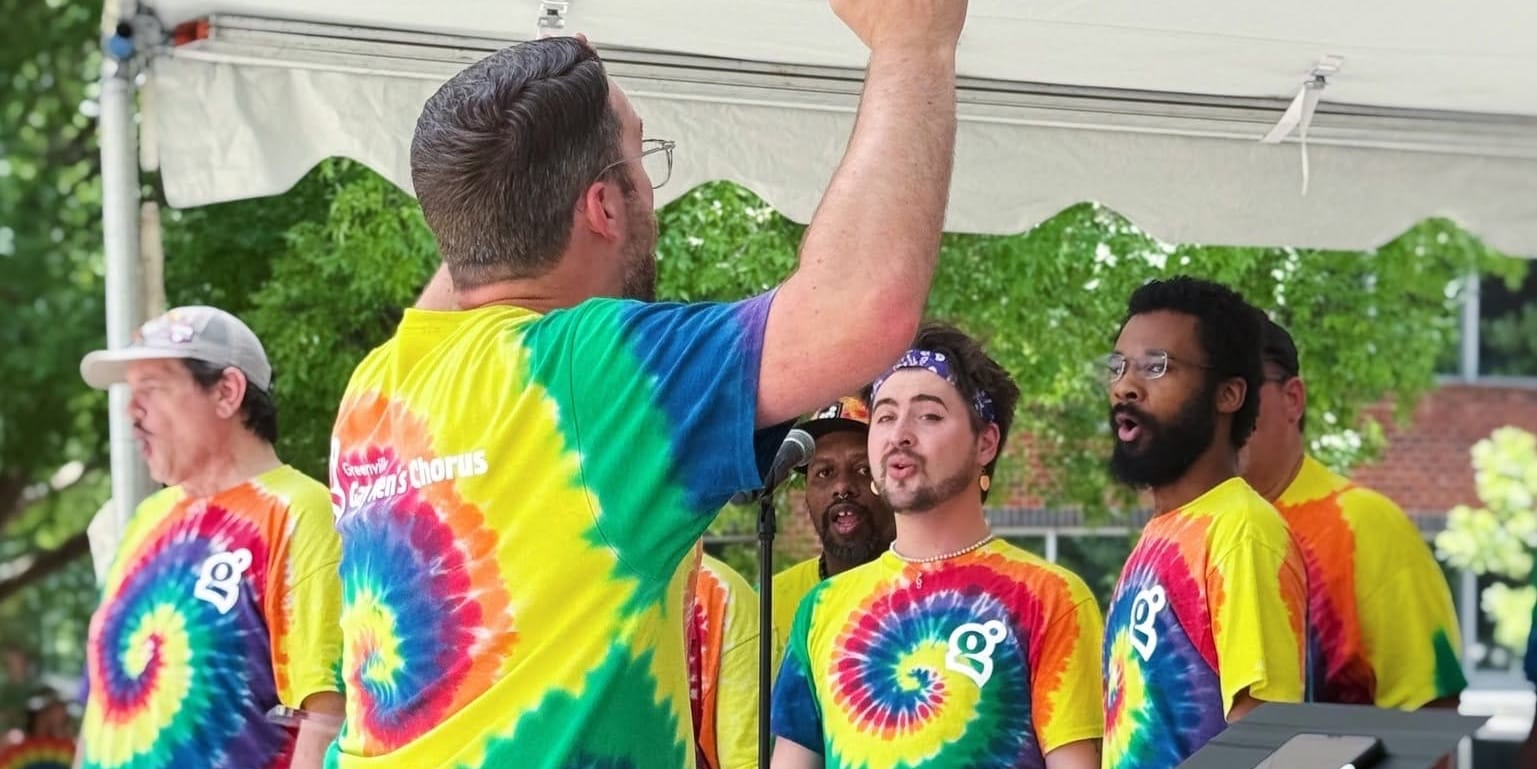
Two LGBTQ+ arts organisations in South Carolina have been denied state funding after a contentious vote by the South Carolina Arts Commission, prompting accusations of discrimination and concerns over freedom of expression.
The Greenville Gay Men’s Chorus and Proud Mary Theatre Company were both refused operational grants following a 5-3 vote by the commission’s board on Thursday. No public explanation was given before or after the decision.
The move comes after months of uncertainty over arts funding in the state. While the commission released millions of dollars in grants to most organisations earlier this year, funding for the two LGBTQ+ groups was put on hold pending further scrutiny.
Mary Adam, executive director of the Greenville Gay Men’s Chorus, said the decision was particularly disappointing given the chorus’ role in the community. The 36-member group performs across the region and uses music to explore both universal themes and LGBTQ+ experiences.
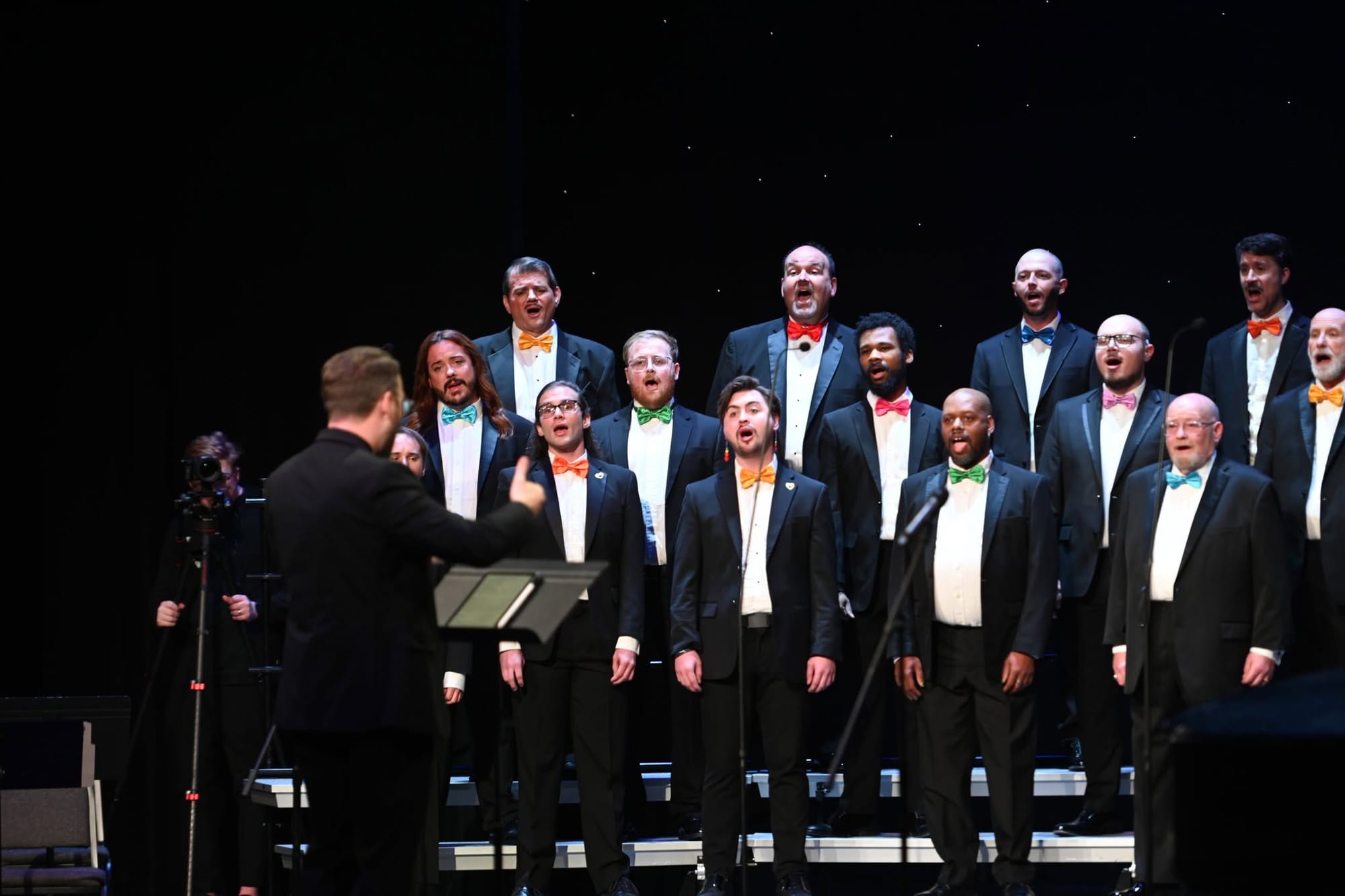
“It’s usually a family event,” Adam said, describing the chorus’ concerts. “Many times, you see people in the audience being brought to tears at connecting to whatever the message of that song might be.”
The chorus had expected to receive around $13,000, accounting for roughly 13% of its annual budget. The funding would have helped cover costs including venue hire, a pianist, administrative support and insurance.
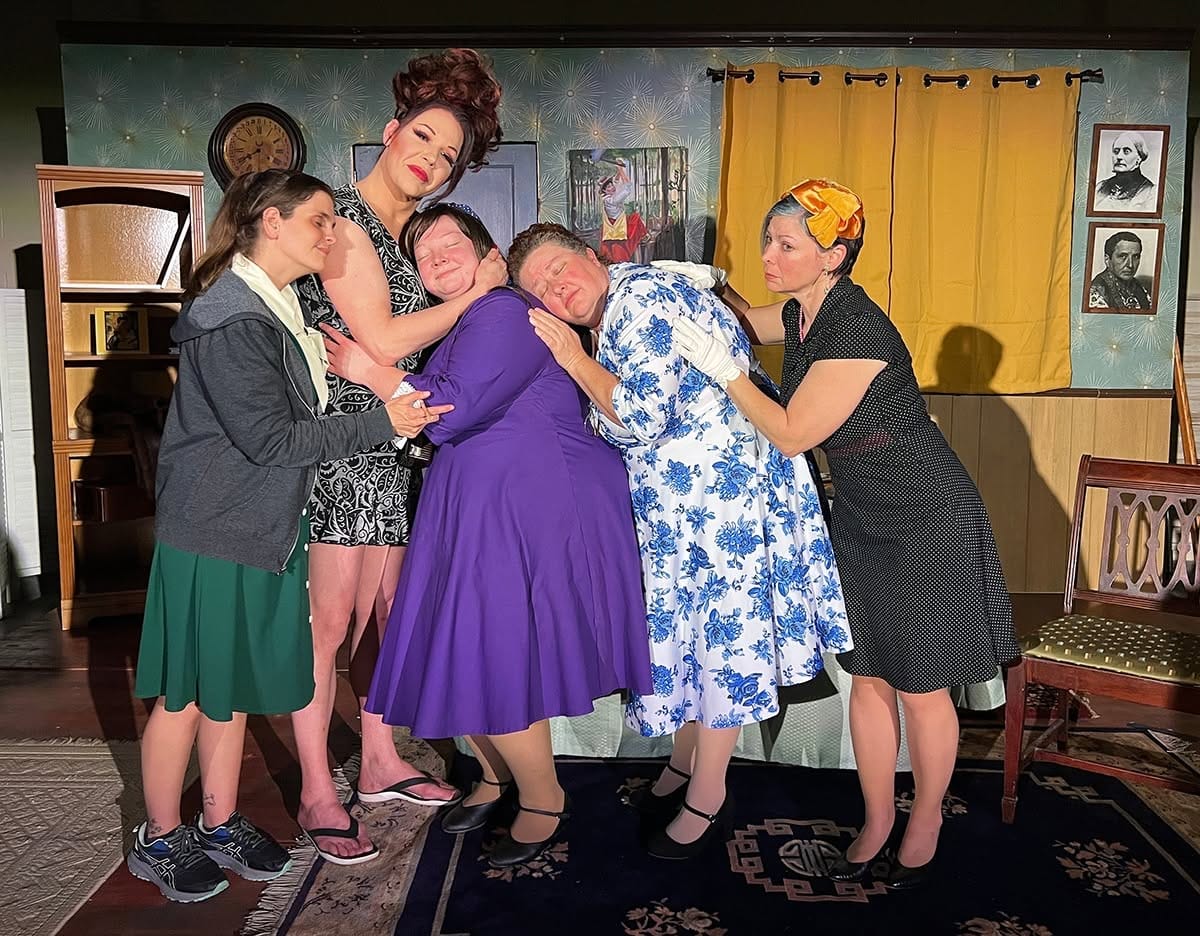
Proud Mary Theatre Company had anticipated receiving approximately $3,800 through a combination of grant and bridge funding. The company said the money would have supported upcoming productions, including a parody musical and a Broadway-themed revue.
“We rely on grants and donations to literally keep the lights on,” grants coordinator Sally McClellan said. “When our funding is delayed or jeopardised, harm is done. And in this case, not just to Proud Mary Theatre Company, but to the arts in South Carolina in general.”
Documents obtained by the American Civil Liberties Union (ACLU) of South Carolina suggest some board members raised concerns about funding organisations focused on LGBTQ+ communities.
In one email, board member Rip Parks reportedly argued that the groups were inconsistent with the values the commission should promote and expressed concern that state legislators could withdraw funding from the wider arts programme.
At an August meeting, Parks also questioned the “artistic merit” of the organisations and asked both groups to provide further justification for their work.
However, grant reviewers had already scored the Greenville Gay Men’s Chorus highly. According to documents shared by the organisation, the chorus received 87 out of 100 points in an independent assessment covering artistic merit, excellence and public engagement.
Another board member, Jessica Rourke, reportedly cited a Trump administration executive order regarding “gender ideology” in explaining her opposition to funding the organisations.
The ACLU has challenged that reasoning, arguing the executive order relates only to federal funding and that relevant sections have already been found unlawful. The civil rights organisation has warned that denying funding based on disagreement with an organisation’s viewpoint could breach First Amendment protections.
Allen Chaney, legal director of the ACLU of South Carolina, urged the commission to judge LGBTQ+ organisations using the same standards applied to all other applicants.
“Rather than turning from its values, we merely ask that the Commission continue to evaluate LGBTQ-focused affinity groups and arts organisations on the same artistic-merit criteria it applies to every other applicant,” he wrote.
The controversy has also reignited debate over political influence on arts funding in the state. Earlier this year, South Carolina Senate Majority Leader Shane Massey encouraged commissioners to ensure funded projects reflected what he described as taxpayers’ values, warning that controversial grants could place the commission’s own funding at risk.
Despite the setback, Adam said donations received during the dispute mean the chorus will continue performing. However, she fears the decision could set a precedent for future funding decisions affecting LGBTQ+ artists and organisations.
“If you’re going to fund the arts, that includes us,” she said.
Scene was founded in Brighton in 1993, at a time when news stories about Pride protests were considered radical.
Since then, Scene has remained proudly independent, building a platform for queer voices. Every subscription helps us to report on the stories that matter to LGBTQ+ people across the UK and beyond.
Your support funds our journalists and contributes to Pride Community Foundation’s grant-making and policy work.

Member discussion