



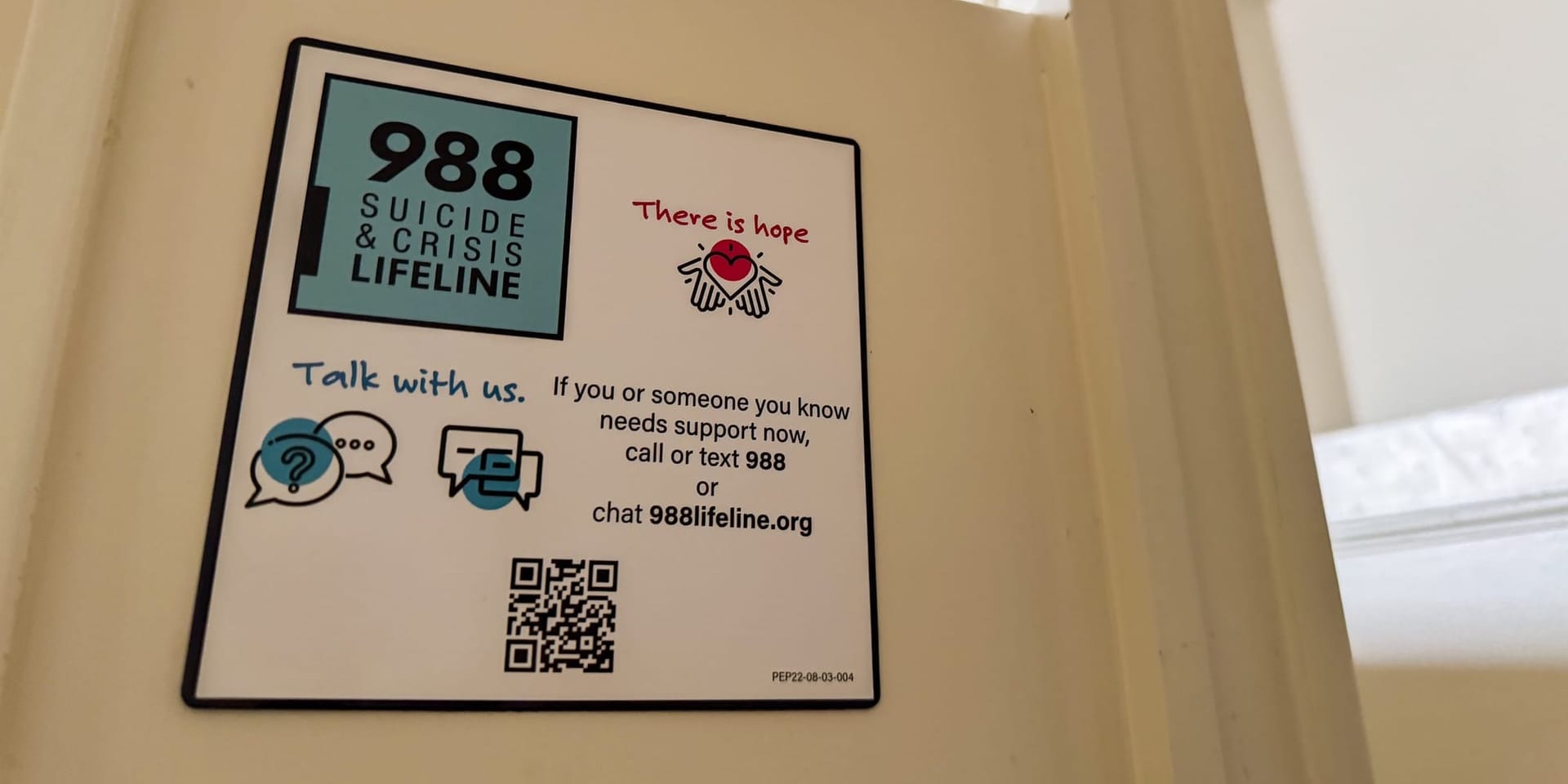
A specialist crisis support service for LGBTQ+ young people in the United States is being restored after it was previously shut down, following pressure from lawmakers and mental health advocates.
The service, known as the "Press 3" option within the national 988 Suicide & Crisis Lifeline, allows callers to be connected with counsellors trained to support LGBTQ+ young people experiencing mental health crises or suicidal thoughts. The US government has confirmed that work is underway to bring the programme back following a directive from Congress.
The specialised service was discontinued last year after funding was removed, a move that sparked widespread criticism from LGBTQ+ organisations and Democratic lawmakers. At the time, advocates warned that LGBTQ+ young people were losing access to counsellors specifically trained to understand the challenges they face.
According to reports, the service handled around 1.6 million contacts during its years of operation, with LGBTQ+ suicide prevention charity The Trevor Project answering roughly half of those calls and messages.
The restoration follows congressional approval of more than $33 million in funding for LGBTQ+ youth crisis interventions, with the Substance Abuse and Mental Health Services Administration (SAMHSA) stating that it is working with 988 network administrator Vibrant Emotional Health to resume the specialised service.
However, concerns remain about how the restored service will operate and whether it will provide the same level of support as before. Several outlets have reported that The Trevor Project, which helped establish the original programme, may not be included in the new system after its application to participate was reportedly rejected.
The Trevor Project has expressed disappointment at the decision, arguing that excluding an organisation with decades of experience supporting LGBTQ+ young people could undermine the quality of the service. Advocates have also raised concerns about the impact of policies affecting trans and non-binary young people on the future operation of the hotline.
The decision to reinstate the service has nevertheless been welcomed by many LGBTQ+ campaigners, who view it as a recognition of the unique mental health challenges faced by queer and trans young people. Research cited by lawmakers has consistently found that LGBTQ+ young people experience significantly higher rates of suicidal thoughts and suicide attempts than their non-LGBTQ+ peers.
Scene was founded in Brighton in 1993, at a time when news stories about Pride protests were considered radical.
Since then, Scene has remained proudly independent, building a platform for queer voices. Every subscription helps us to report on the stories that matter to LGBTQ+ people across the UK and beyond.
Your support funds our journalists and contributes to Pride Community Foundation’s grant-making and policy work.




Member discussion